MPA and PMF Management Measures for Fishing Activity
Our advice to support the future consultation on plans to improve protection for marine wildlife in Scotland.
Leugh ann an Gàidhlig / Read in Gaelic
Updated May 2026
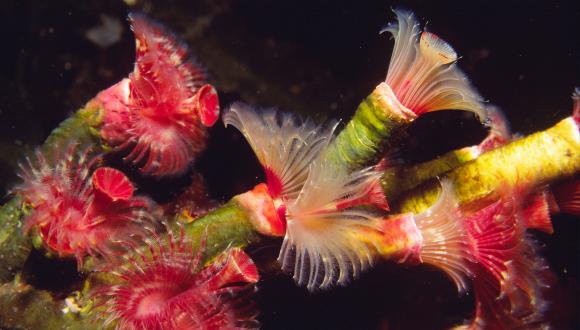
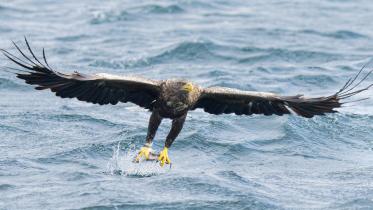
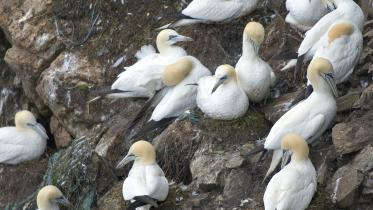
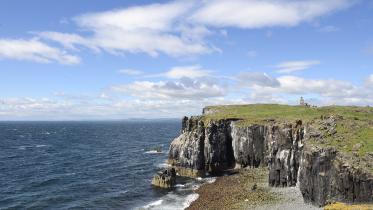
Scotland’s seas are full of life and rich in colour, with internationally important populations of seabirds, marine mammals and fish. Human pressures on our seas are increasing. The demands we put on our seas need to be managed for the benefit, enjoyment and health of generations to come.
Improving protection for Scotland's marine wildlife
Duration
02:02
The Scottish Government has committed to consulting on management measures for fishing activity for inshore Marine Protected Areas (MPAs) where measures are required and are not already in place, as well as for Priority Marine Features (PMFs) most sensitive to bottom-contacting mobile fishing gear outside the MPA network. Scottish Government is aiming to hold a consultation towards the end of 2026.
NatureScot's role
Our role is to provide advice to support the effective management of fishing activity based on our understanding of the sensitivity of features within the MPA network and the proposed PMF management areas. It is Marine Directorate and ultimately Ministers who will decide on the management measures.
Our advice is contained in a series of documents which are available online. You can find this on our Advice page, along with supporting evidence and tools to help you explore the proposed management measures, MPAs and Priority Marine Features.
Our MPA & PMF management interactive web tool helps you to explore the proposed measures for MPAs and PMFs. You can access it here.
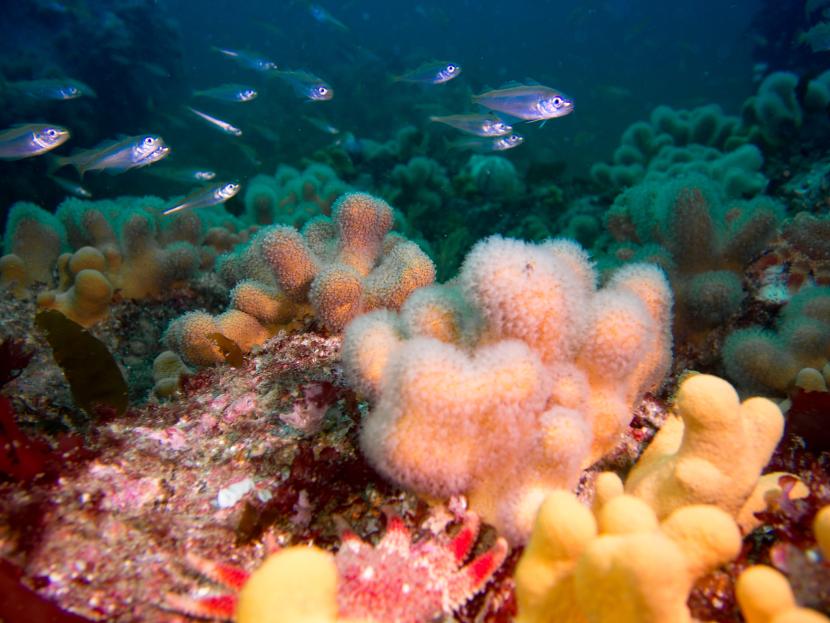
A rocky reef with dead men's fingers and a shoal of juvenile fish.
Why do we need management measures for fishing activity?
MPAs
Marine Protected Areas are an effective and internationally recognised tool for protecting marine wildlife. Some of the proposed management measures have been designed to protect sensitive habitats that act as nursery areas for commercial species, helping to sageguard sustainable fishing. Evidence from MPAs around the world shows that sites prohibiting fishing activities can have more invertebrates and greater fish biomass compared to fished areas outside MPAs, with evidence of significant spill-over into areas near to MPAs. In Scotland, there is evidence that management of fishing activity can have positive changes for species such as skate, scallop and lobster, and for seabed habitats.
Under the principles of sustainable use, some activities may continue to operate within the MPA, as long as they do not compromise the achievement of the conservation objectives for the protected features. Most activities are regulated through existing licensing and consenting processes, e.g. aquaculture and renewables, or codes of good practice. This means that plans or projects which are part of these processes would be subject to assessment and consideration of their impacts on an MPA or PMF. Fishing activities do not have an equivalent process, instead they are managed through spatial or temporal measures, which is the focus of this consultation.
PMFs
There are 81 Priority Marine Features (PMFs) identified in the seas around Scotland. PMFs are a prioritised list of habitats and species of conservation importance in Scotland’s seas and include a wide range of characteristic Scottish wildlife. The PMF list is used to help focus conservation action and decision making in marine planning.
In 2018 Scottish Ministers launched a public consultation on Improving protection given to Priority Marine Features outside the Marine Protected Area network, to ensure that PMFs are being protected in accordance with the National Marine Plan - which states that “development and use of the marine environment must not result in significant impact on the national status of Priority Marine Features”. A prioritisation process was undertaken by Scottish Government and NatureScot, which identified 11 PMFs which are most sensitive to physical disturbance from bottom-contacting mobile fishing gear.
Our PMF advice documents provide information on the distribution, ecology, status and sensitivity of the 11 most sensitive PMFs to bottom-contacting mobile fishing activity, along with existing and proposed fisheries measures providing PMF protection and our recommendations on additional key locations for protection. These documents are available on our Advice page.
Diver surveying a seagrass bed in the Sound of Barra.
Duration
00:20
FAQs
Find answers to the most frequently asked questions we get about MPAs, PMFs, our evidence and the management measures for fishing activity.
Last updated: