Marine survey and monitoring in Scottish MPAs
Our upcoming marine survey and monitoring work
NatureScot's marine survey and monitoring work helps to inform the designation and management of Marine Protected Areas (MPAs), and the establishment of Priority Marine Feature (PMF) management areas in Scottish territorial waters.
Our marine survey and monitoring team covers three main areas:
Marine survey work, including:
- marine survey design and planning
- locating Priority Marine Features
- assessing condition of features
- exploring effectiveness of management
- investigating trends
Marine data
- mobilisation of data
- data archive
Marine research and collaboration
- working with experts from universities and institutions in the UK
- collaborating with local groups and communities
Our marine survey plans for 2026
Seabed habitats
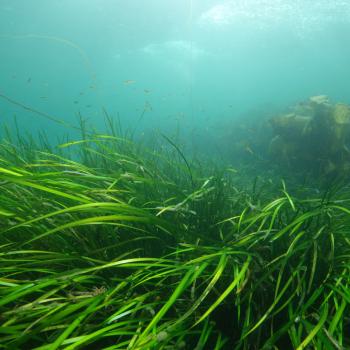
- April: Visiting proposed PMF management areas around Arisaig. This will be our annual dive skills refresher and an opportunity to survey the extent of the maerl beds, oyster and seagrass in the proposed PMF areas.
- May-June: Visiting Fetlar to Haroldswick Nature Conservation Marine Protected Area and potentially proposed PMF management areas in the east of Shetland. The survey is investigating changes in the condition of horse mussel beds and maerl beds in the area using dive surveys and drop-down video.
- July: Visiting Dornoch Firth and Morrich More Special Area of Conservation looking at the condition and extent of intertidal seagrass and blue mussel beds.
- August: collaborating with fisherman’s association to survey proposed PMF management areas focussing on better understanding the extent and condition of maerl bed habitats in NW Scotland.
- September: Visiting the Sound of Harris. A small-boat diving and drop-down-video survey in the proposed PMF management area here, collaborating with locals to further investigate changes in extent and condition of seagrass beds within the site.
- October: Visiting East Mingulay SAC and Small Isles NCMPA in collaboration with Marine Directorate and SAMS. The target here is to assess the condition of cold-water coral reefs (East Mingulay) and burrowed mud, horse mussel beds and fan mussel aggregations (Small Isles).
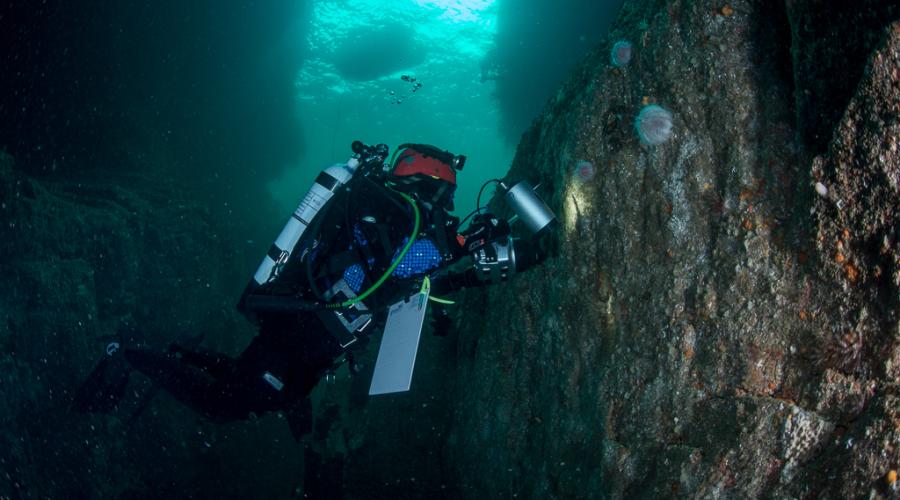
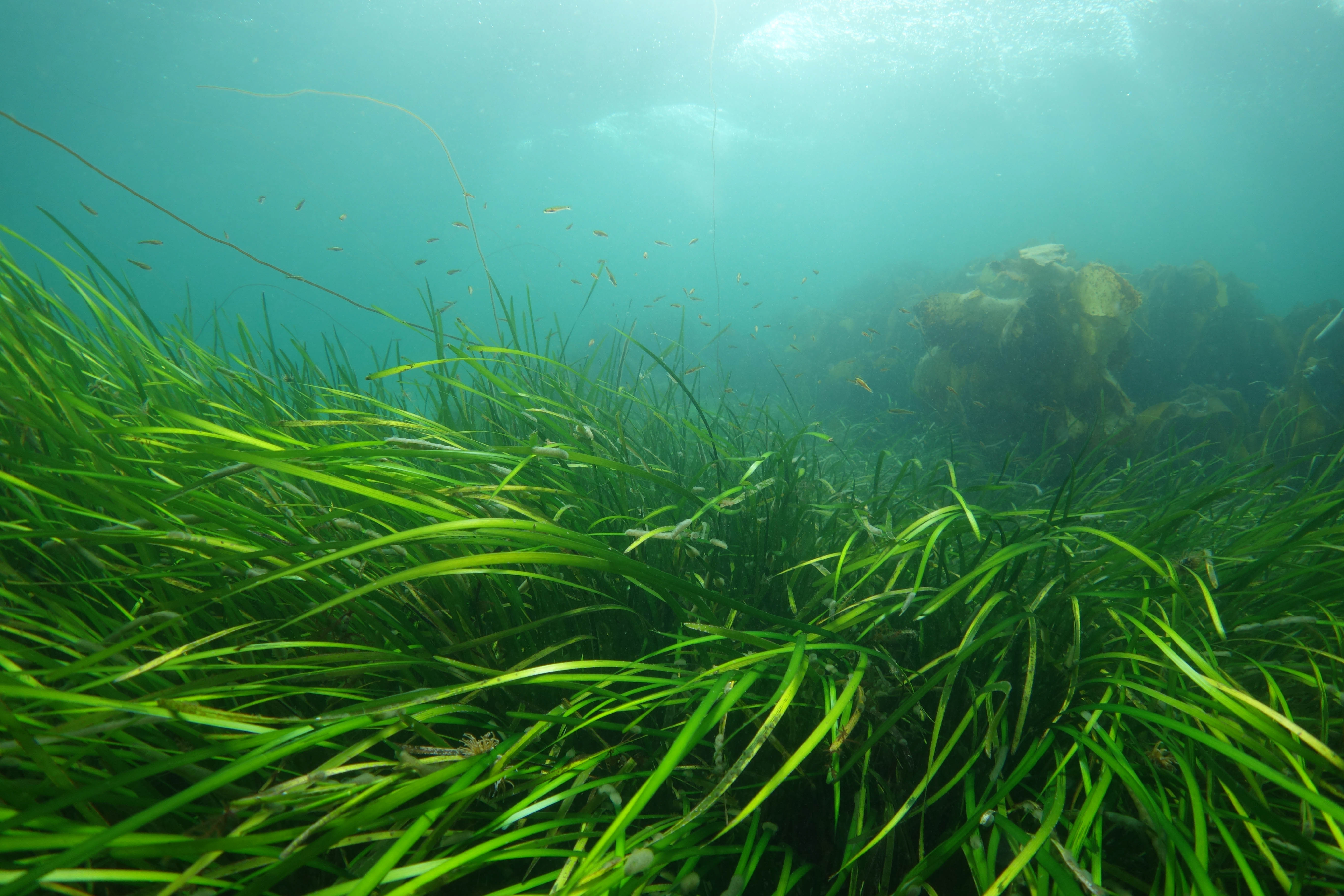
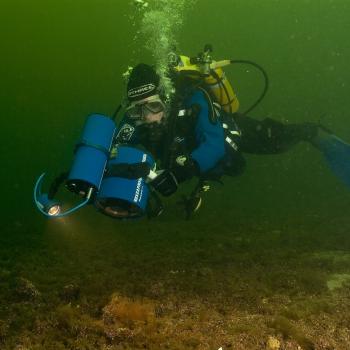
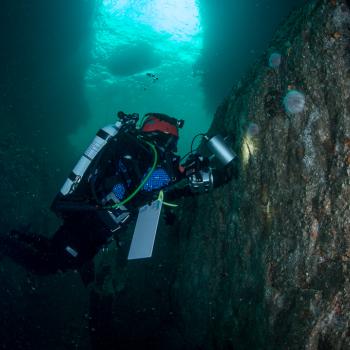
Diver surveying a seagrass bed in the Sound of Barra.
Duration
00:20
Marine mammals and elasmobranchs
- April to March: A minimum of 10 boat-based Risso’s dolphin photo-ID surveys planned, part-funded by NatureScot and led by Mara, within the North-east Lewis MPA in combination with citizen science photographs collated into the West Coast of Scotland Risso’s dolphin photo-ID catalogue, to update, and assess trends and changes in abundance, habitat use, and distribution over time. Complimented by the land-based sightings and passive acoustic programmes operating within and nearby the MPA as part of WDC Shorewatch and the Marine Directorate SPAN, respectively.
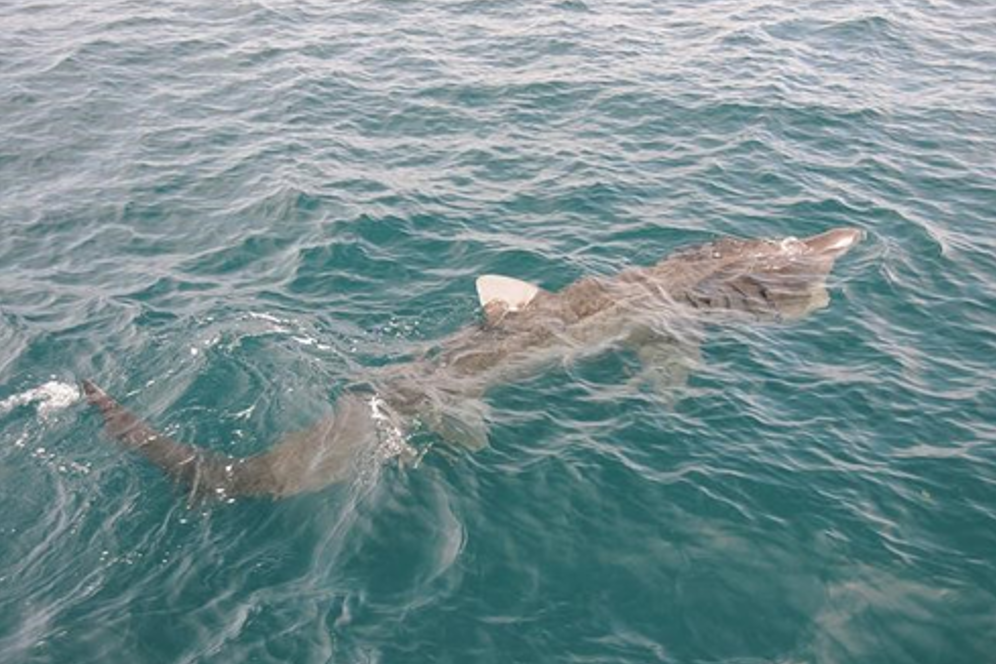
- April to October: 100 survey days of effort-based boat line transect sightings and towed acoustic data collection, and opportunistic photo-ID, planned in the Hebrides. Part-funded by NatureScot and led by the Hebridean Whale and Dolphin Trust, to update our knowledge and provide long-term annual baseline data on the distribution, behaviour, and relative abundance of cetaceans and basking sharks. Covering designated features within the Sea of the Hebrides MPA, North-east Lewis MPA, and Inner Hebrides and the Minches SAC, as well as collecting pressures information on vessel activity, static fishing gear activity, and underwater soundscape.
- May to September: 20 boat-based photo-identification surveys with passive acoustic monitoring planned in the Moray Firth SAC and in the Firth of Tay waters. Part funded by NatureScot and led by the Universities of Aberdeen and St Andrew's, to update our knowledge of the east coast bottlenose dolphin population trends and changes in abundance, site usage, and distribution.
- August: Aerial seal counts from Cape Wrath to Ardnamurchan Point and the Western Isles planned. Part funded by NatureScot and led by the Sea Mammal Research Unit. This data updates our knowledge and provides robust estimates of harbour and grey seal trends and changes in abundance and distribution, as part of the next 5-year census (2026-2030) round the Scottish coastline.
- Flapper skate acoustic tracking and photogrammetry survey of the seabed will continue at Red Rocks and Longay MPA until October 2026. PIT tagging and photo identification of flapper skate will continue in the Loch Sunart to Sound of Jura MPA and beyond via the SkateSpotter app. NatureScot will continue to support a PhD on flapper skate health at Edinburgh Napier University.
Common dolphins in Scotland's North East Lewis Marine Protected Area. (C)NatureScot/Rona Sinclair.
Duration
00:25
Marine birds
- April: Black guillemot colony counts at all six NC MPAs. Funded by NatureScot and delivered by area teams and contractors.
- April: Puffin census on the Isle of May NNR and Hermaness NNR.
- May to July: Full census colony counts at 23 seabird colonies considered as priority areas across Scotland. Funded by Offshore Wind Directorate of Scottish Government as part of the Marine Bird Monitoring Project. Delivered by NatureScot staff, contractors and other organisations.
- May to July: CivTech challenge 10.3 project, focussing on using technology to monitor puffins, part funded by NatureScot with SMEEF and National Trust for Scotland. Will involve digital aerial surveys and scent detection within burrows.
- June to August: routine seabird surveys on coastal National Nature Reserves (Isle of May, Noss, Hermaness, Rum, Forvie, Loch Leven).
- March, July-October: Continued Outer Firth of Forth and St Andrews Bay Complex SPA monitoring, digital aerial surveys and vantage point surveys of bird features (seabirds and waterfowl). Population and spatial distribution will help inform assessments of the increased number of developments within the Firth of Forth.
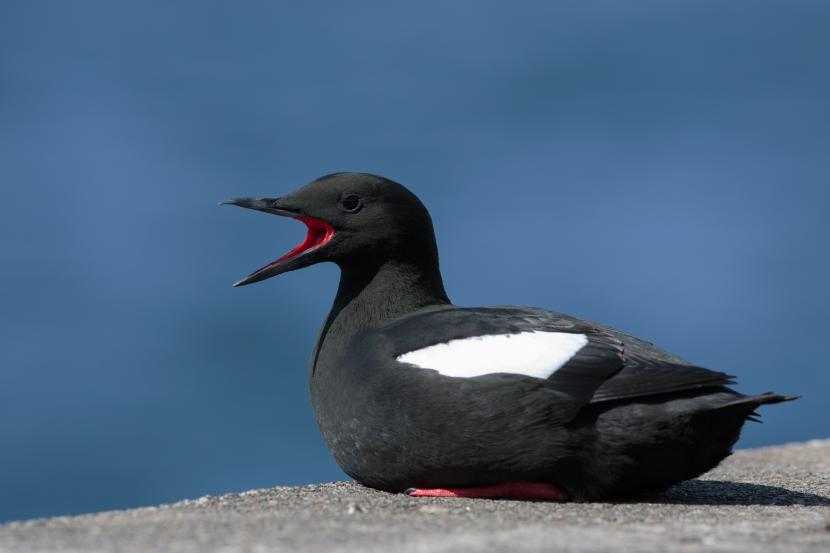
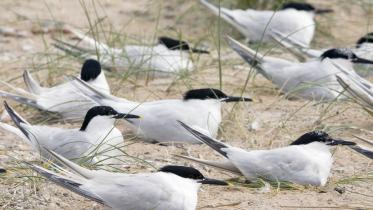
Black Guillemot ©David Whitaker.
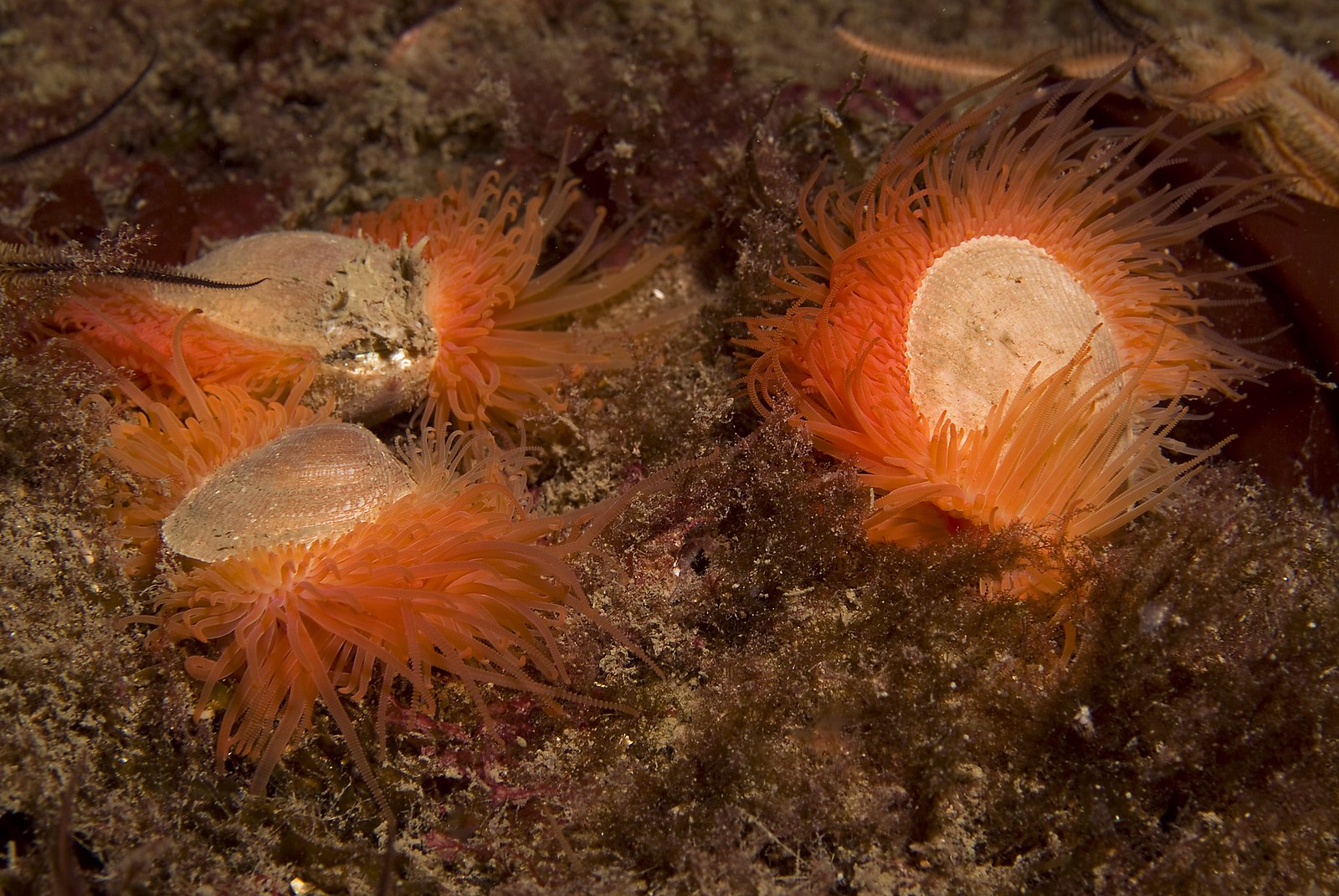
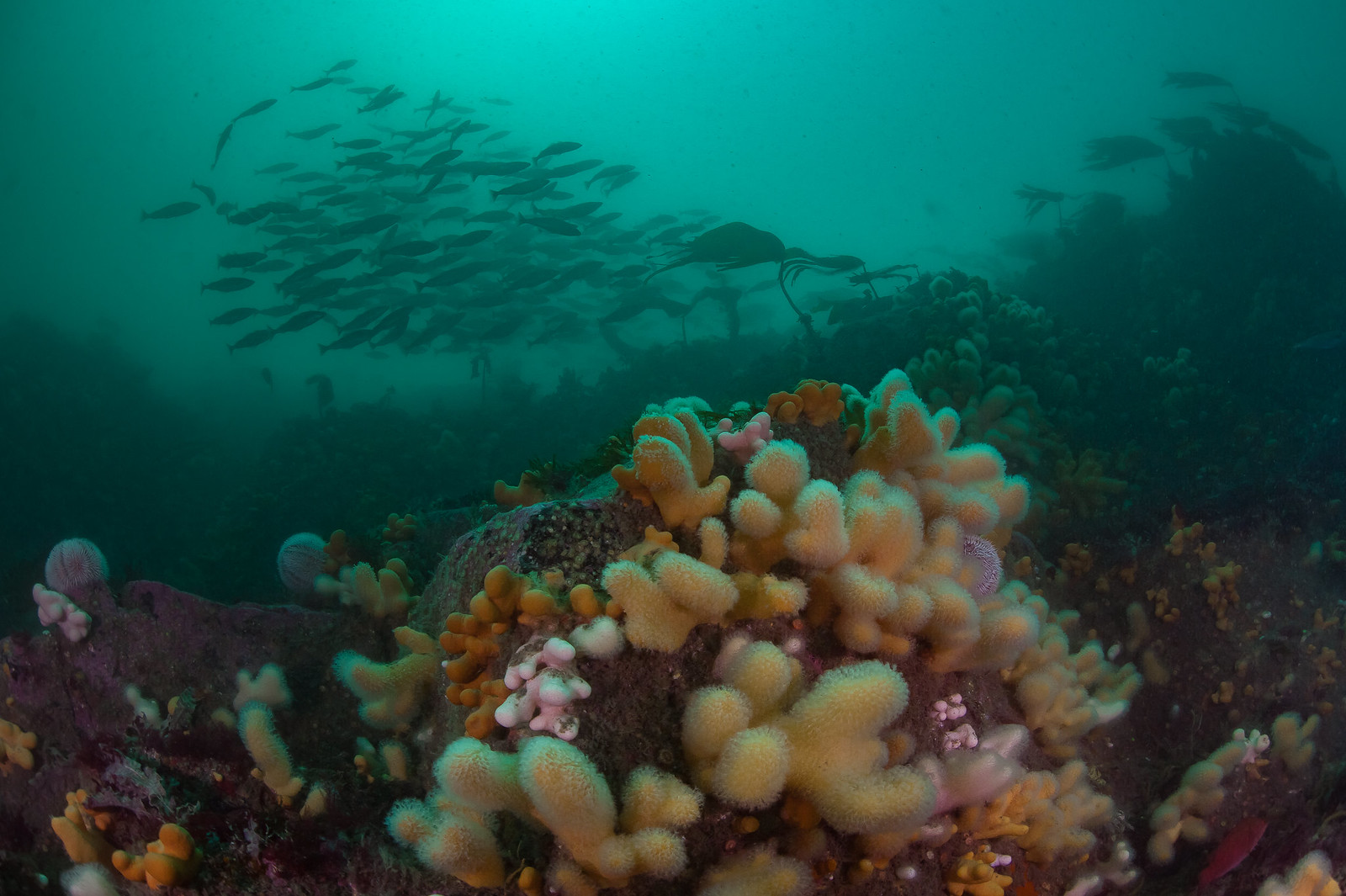
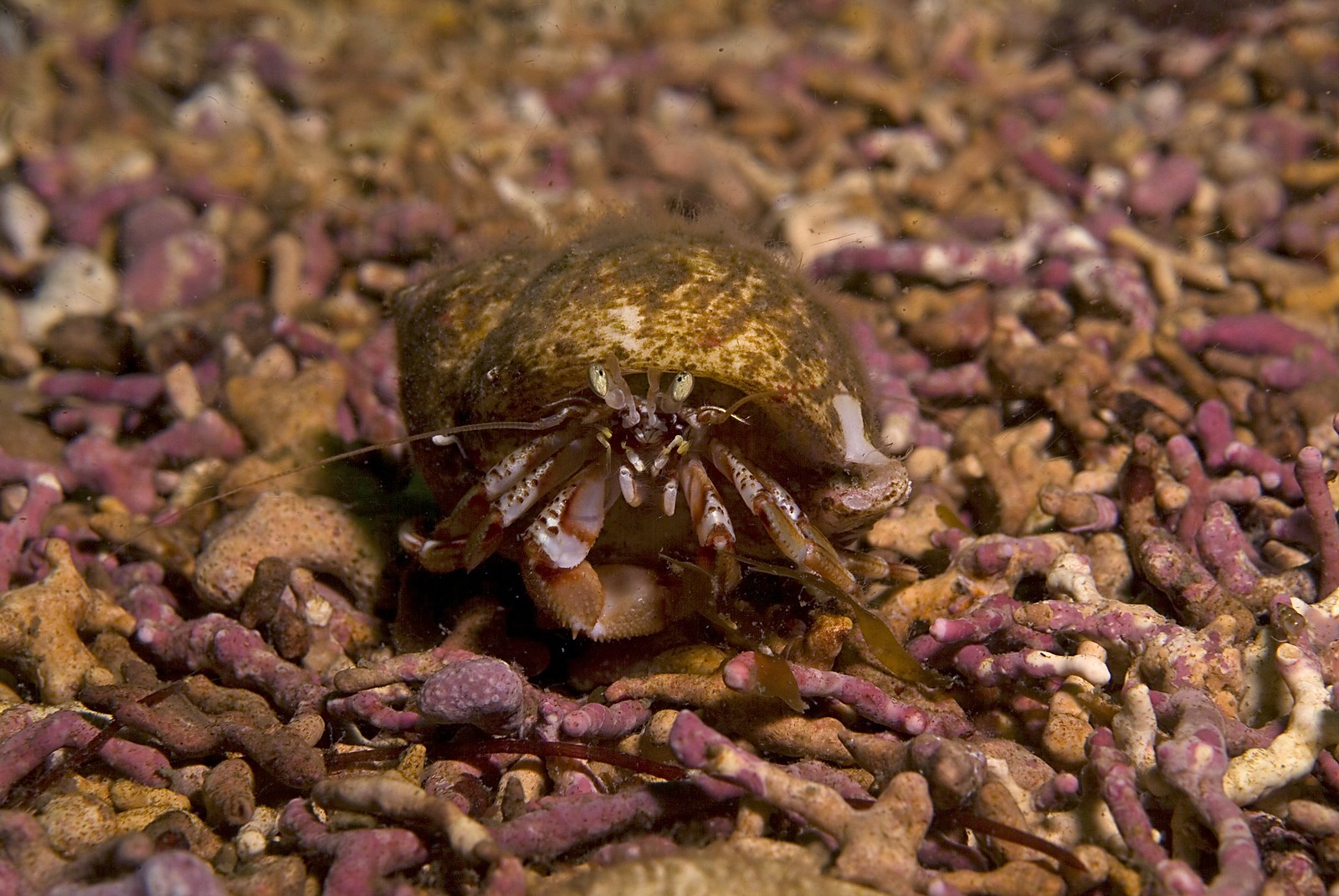
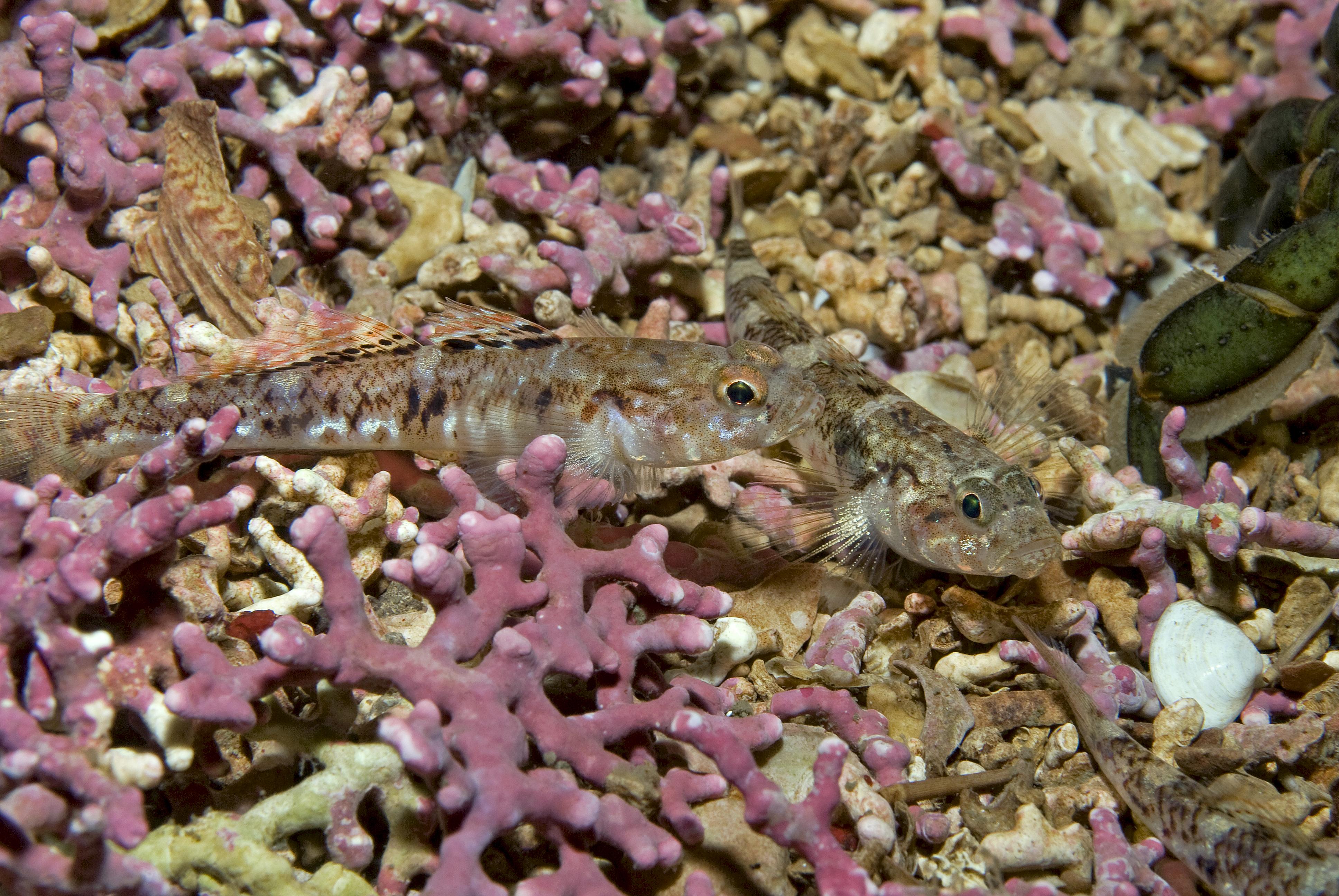
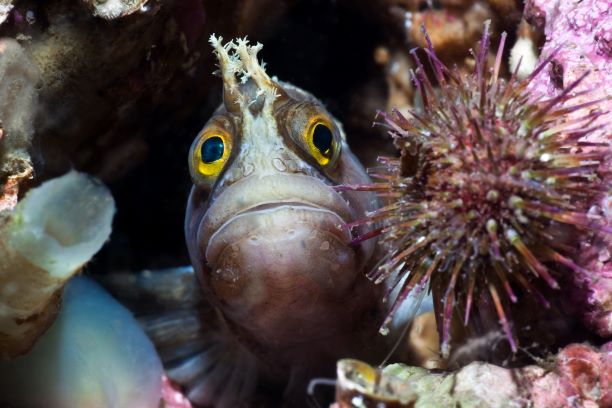
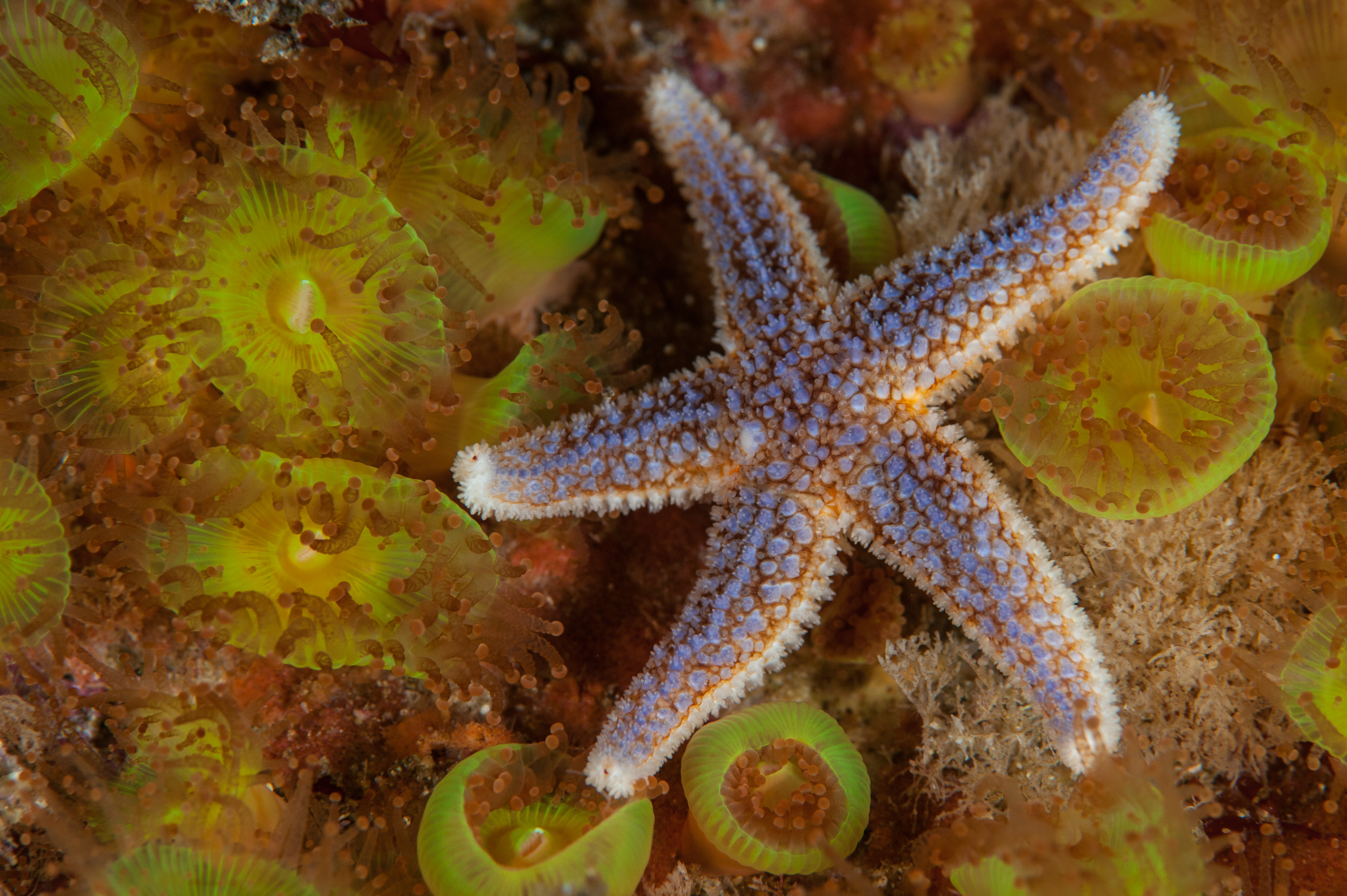
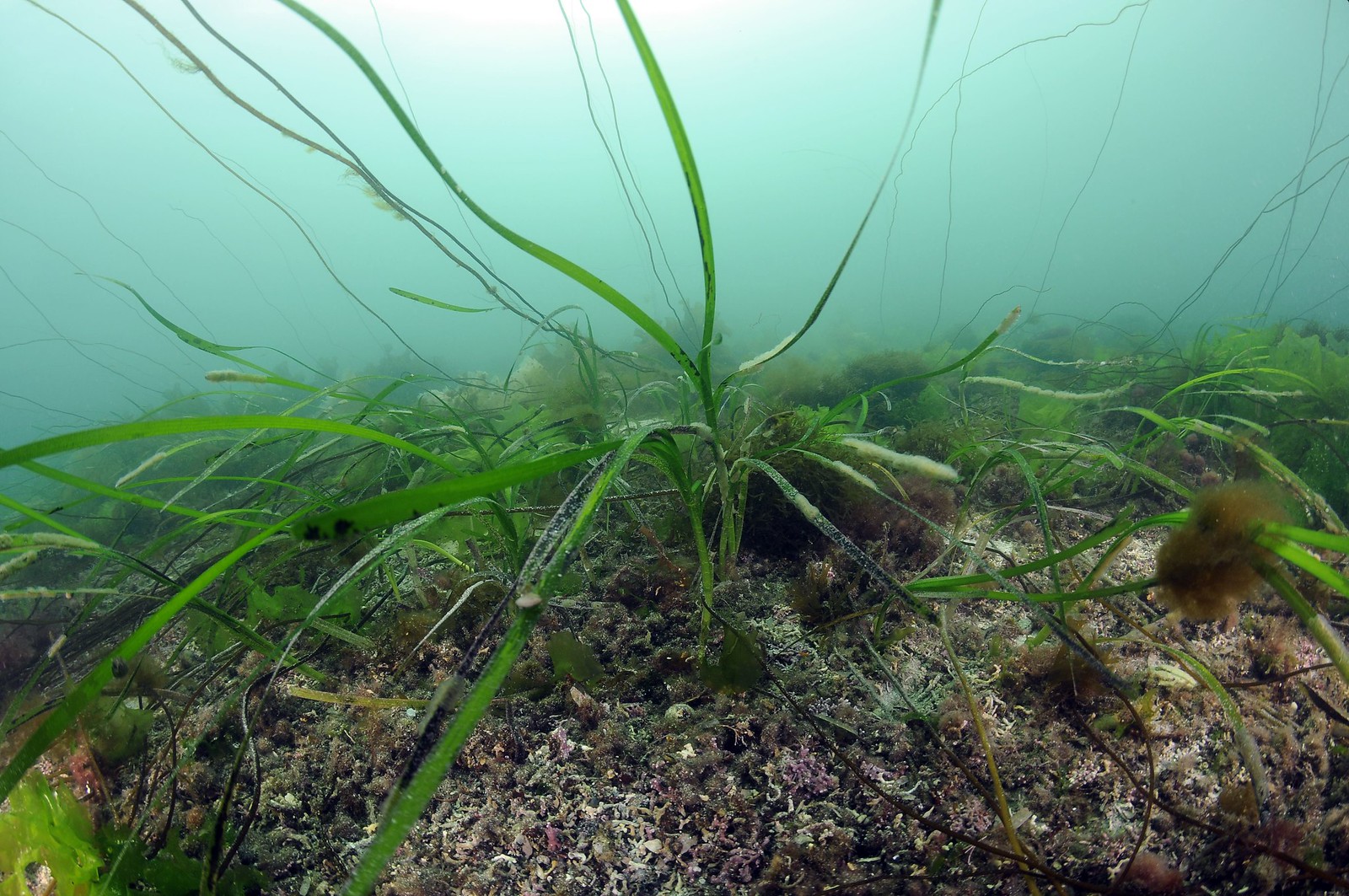
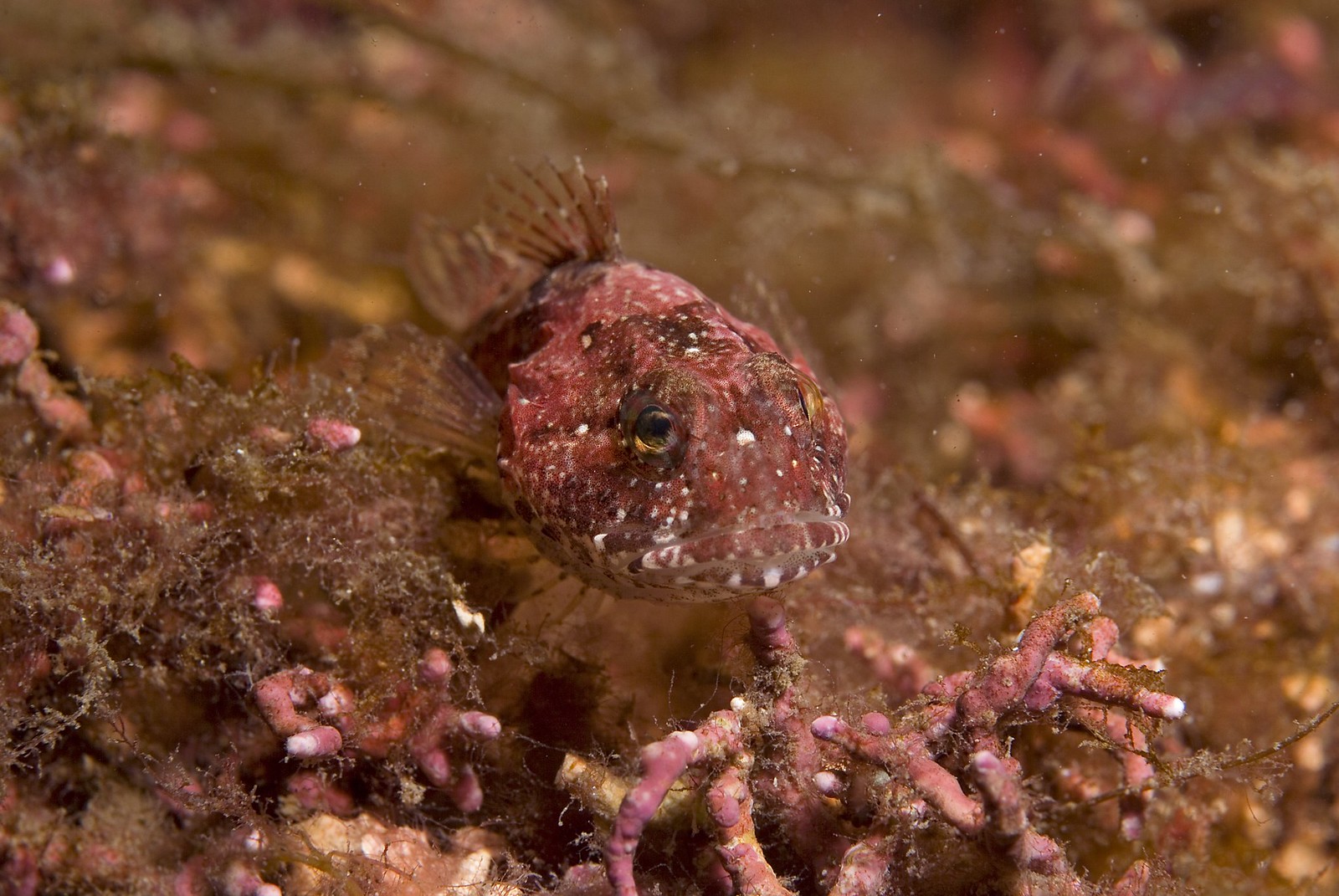
For hundreds of free-to-download marine life photos from our surveys visit our FlickR pages.
2025 Marine Surveys
Seabed habitats
- April: Edrachillis Bay. This will be our annual dive skills refresher and an opportunity to survey the extent of the maerl beds in the proposed PMF area.
- May: Firth of Lorn Special Area of Conservation and proposed PMF management areas in the region in collaboration with Marine Directorate on board Alba na Mara. The survey is investigating changes in the condition of reefs using drop down video.
- June: Scalpay and the Crowlins in collaboration with RSSLA to survey proposed PMF management areas in the Inner Sound using drop-down video
- June: North west Skye. A small-boat diving and drop-down-video survey in proposed PMF management areas off the west coast of Skye, including working with local community groups.
- August: Dornoch Firth and Morrich More Special Area of Conservation. Acoustic and drop-down-video survey targeting subtidal blue and horse mussel beds.
- August: Sound of Barra Special Area of Conservation. The survey aims to complement work carried out off Alba na Mara in 2023, to assess changes in the condition of seagrass beds and shallower maerl, and how that's changed since 2015 within the SAC .
- September: Sound of Arisaig Special Area of Conservation and adjacent proposed PMF management areas. The target here is to assess the condition of maerl beds and seagrass beds within the SAC, and revalidate and gap-fill between records in the proposed PMF management areas.
Marine mammals and elasmobranchs
- May to September: 20 boat-based photo-identification surveys with passive acoustic monitoring planned in the Moray Firth SAC and in the Firth of Tay waters. Part funded by NatureScot and led by the Universities of Aberdeen and St Andrew's, to update our knowledge of the east coast bottlenose dolphin population abundance, site usage, and distribution.
- April/May: Deployment of six broadband passive acoustic monitoring moorings for a minimum of six months within the North-east Lewis MPA. Part of a pilot study to collect data on Risso's dolphin occurrence and distribution patterns. This builds on year-round continued data collection from dedicated and opportunistic photo identification encounters, and WDC Shorewatch land-based sightings data from within the MPA.
- August: Harbour seal aerial counts in Orkney and Shetland to complete the 2021-2025 monitoring cycle around the Scottish coastline. Part funded by NatureScot and led by the Sea Mammal Research Unit. This will provide robust estimates of abundance and distribution.
- Sightings and towed acoustic data collection in the Hebrides by the Hebridean Whale and Dolphin Trust. A NatureScot funding collaboration providing us with annual baseline data on the distribution and relative abundance of cetaceans and basking sharks, covering designated features within the Sea of the Hebrides MPA, North-east Lewis MPA, and Inner Hebrides and the Minches SAC.
- Flapper skate acoustic tagging and photogrammetry survey planned for the Red Rocks and Longay MPA, with continued photo identification and PIT-tag recapture by anglers in the Loch Sunart to Sound of Jura MPA.
Marine birds
- NatureScot is assisting with wintering gull surveys in January 2025. This is a BTO-led nationwide survey.
- Full census colony counts and productivity monitoring at protected areas across Scotland through the Marine Bird Monitoring Project. Funded by the Offshore Wind Directorate of Scottish Government, this will provide up-to-date count data on Scottish breeding seabird colonies. The data will help inform decisions on offshore-wind applications and increase our understanding of the impacts of threats such as HPAI.
- Site Condition Monitoring: routine seabird surveys on coastal National Nature Reserves (Isle of May, Noss, Hermaness, Rum, Forvie, Loch Leven).
- HPAI work - Gull serology work in January 2025, Great Skua serology work in June 2025 (Fair Isle and Hermaness (w/ Uni of Edinburgh).
- Routine biosecurity surveillance on NatureScot managed islands, Noss and Isle of May.
- Monitoring of wintering features (seabirds and waterfowl) within the Outer Firth of Forth and St Andrews Bay Complex SPA, using digital aerial survey and vantage point survey techniques. The population and distribution data generated will help to inform numbers and usage of the area in winter, to help inform assessments in light of the increased number of developments proposed in the Firth of Forth and the impact of HPAI on the site's features.
2024 Marine Surveys
- 22 March to 2 April – A research cruise with Marine Directorate (MD) on board Alba na Mara to survey the Southern Trench MPA and Orkney proposed management areas prior to proposed amendments to fisheries management and various proposed PMF management areas in the Northern Isles. This widened our knowledge of PMF condition and distribution in these areas.
- 16 to 18 April – Visit to Loch Hourn. This was our annual training dive survey and survey of the proposed PMF area in the loch.
- July – Visiting Loch Fyne. A dive survey to monitor the condition of the flame shells feature of the Upper Loch Fyne and Loch Goil MPA (NC). Infauna samples and imagery data have been contracted out for analysis. Citizen Science divers from Seasearch later went to confirm flame shells in a further area where we suspected they were present based on drop-down-video tows. See our blog post.
- August – Revisited Arran to support our partners at the Community of Arran Seabed Trust (COAST) in monitoring scallops, following a 2023 illegal fishing incident. See our blog post.
- September – Visited Skye to support flapper skate work in the Red Rocks and Longay MPA in the Inner Sound of Skye.
- 23 September to 7 October – A research cruise with Marine Directorate (MD) on board Alba na Mara targeting the Southern Trench MPA, Shetland MPAs and proposed management areas, covering large areas of maerl and horse mussel beds. We used a combination of drop-down-video, sediment grabs and baited remote underwater video (BRUV) setups.
2023 Marine Suveys
- March – A survey of Didemnum vexillum in Loch Creran. Part of a multi-year partnership project with Herriot Watt University, revisiting sites which have been set up to monitor for the invasive colonial species also known as carpet sea squirt.
- April 16- May 14 – A cruise with Marine Scotland Science (MSS) to survey the Wester Ross MPA and Sound of Barra SAC. Drop-down video and grab sampling used for infaunal (creatures living in the sediment) analysis to build up a time series so we can monitor changes in PMFs with the removal of fishing pressure. We visited further sites along the west coast of Scotland and Hebrides to widen our knowledge of PMF condition and distribution.
- June – Visited sites in Wester Ross. A dive survey predominantly, diving to set up a long-term monitoring study to monitor changes in the habitat with the removal of fishing pressure.
- August – Visited South Arran MPA to carry out a repeat of the long-term monitoring survey of the MPA. Looking for changes in the seabed and PMFs with the protection of these sites, as well as further seagrass surveys to increase our knowledge of their condition and distribution.
Last updated: