Isle of May National Nature Reserve celebrates 70th anniversary
30 June 2026
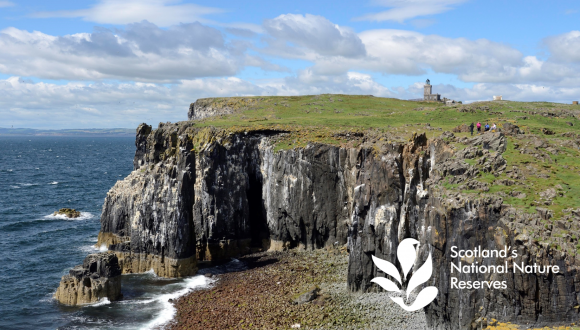
The Isle of May is celebrating a huge milestone this month, marking 70 years as a National Nature Reserve (NNR).
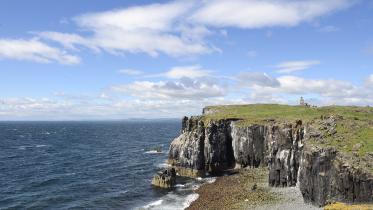
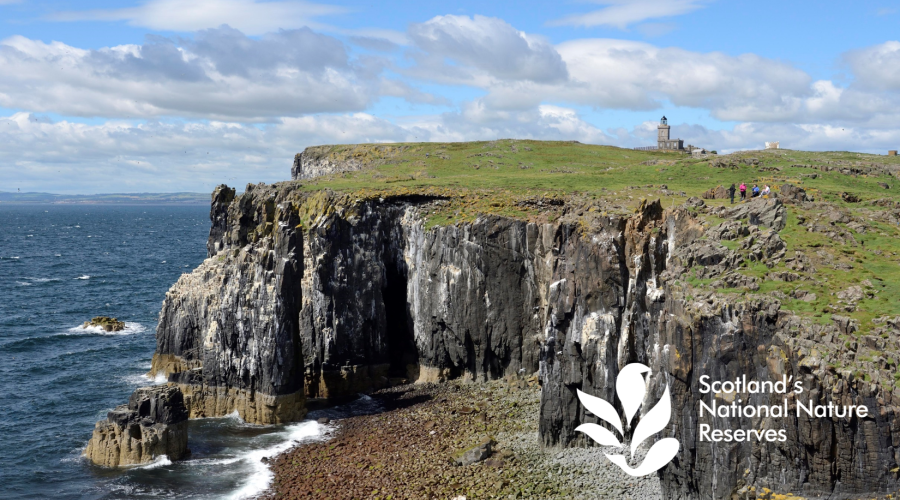
The island, known as the “Jewel of the Forth” was designated in June 1956 to protect its special species and habitats.
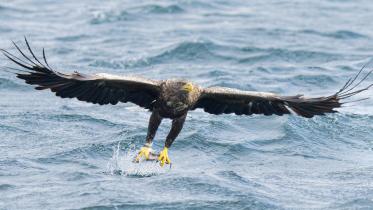
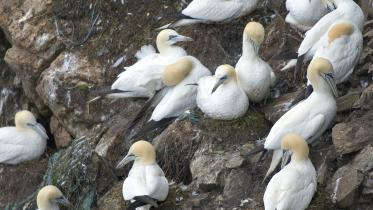
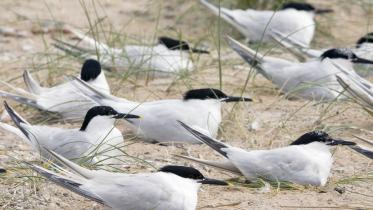
Owned and managed by NatureScot since 1989, the reserve is hugely significant for its thousands of breeding seabirds in the summer and internationally important grey seal nurseries in the autumn.
One of four strategic seabird research sites in the UK, seabird research has been carried out on the island since 1966 and seal research since 1982.
This long-term research helps us understand the effects of climate change on the diet and distribution of seabirds and seals.
NatureScot’s David Steel has been Reserve Manager on the Isle of May for the past 12 years, spending mid-March to November each year on the island.
Reflecting on 70 years as an NNR, he said: “Way back in 1956, we knew that this place was really important for wildlife and we protected it, which was a fabulous move. The data we have on species here goes back decades and that is incredibly valuable. It allows us to study the seabird populations and trends, see how things are doing and respond.
“Climate change doesn’t happen overnight, but we are picking up seasonal changes now. We are starting to see things like food changes with puffins: they are bringing in slightly different prey because there’s just not the availability of sandeels out there. In recent years we’ve seen a decline of European shags as a direct result of more prolonged winter storms. So, we’re starting to notice these events more.
“The data that we have and the picture that it builds is vital because it allows us to see all of this, to give policy advice, raise awareness and talk to the public about what’s going on. It’s a privilege as well as staff can have a direct impact, influencing how habitats on the island are managed, for example, to encourage more Arctic terns and eiders to nest.”
An example of where research has influenced policy is the ban on fishing for sandeels – a crucial part of the diet of puffins and many other seabirds – that was put in place in Scottish waters in 2024.
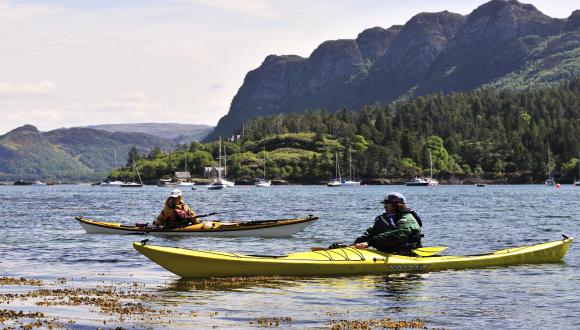
Another big change over the decades has been the rise in visitor numbers to around 17,000 a year now.
David said: “We get many more visitors to the Isle of May these days and we do have to manage that, so for example visiting is restricted to a certain length of time a day to make sure the birds aren’t overly disturbed. But welcoming so many people to the island is a really good thing, as it’s a wonderful place for people to experience and connect with nature.
“It’s so important that this special place is protected and managed for nature - not just for our generation but for future generations as well.”
To find out more about the reserve, visit: the Isle of May National Nature Reserve web page.
Contacts
MEDIA