Marine aquaculture
We aim to steer fish farming towards the most suitable locations and technologies to safeguard Scotland’s nature and landscapes.
NatureScot supports the sustainable growth of Scotland’s aquaculture sector. This includes the cultivation of fish, shellfish and seaweed.
Our approach to planning and development is to help deliver good development in the right places.
To do this, we:
- help planning authorities to prepare development plans, Aquaculture Framework Plans and Integrated Coastal Zone Management Plans
- engage with developers and planners at the pre-application stage to help guide developments towards the most appropriate locations
- advise on planning applications and Controlled Activities Regulations (CAR) licences as a statutory consultee
- support and promote marine planning to guide the sustainable growth of Scottish aquaculture
- support ongoing regulatory reform of Scotland’s aquaculture sector.
Sustainable aquaculture
We sit on the Aquaculture Industry Leadership Group, which had its inaugural meeting in early 2017. The group aims to help guide the sustainable growth of the sector over the long term to 2030.
We feed into the Capacity Working Group, which aims to help promote sustainable growth by focusing on capacity, barriers to sustainable growth, and streamlining regulation and consenting.
Fish farming
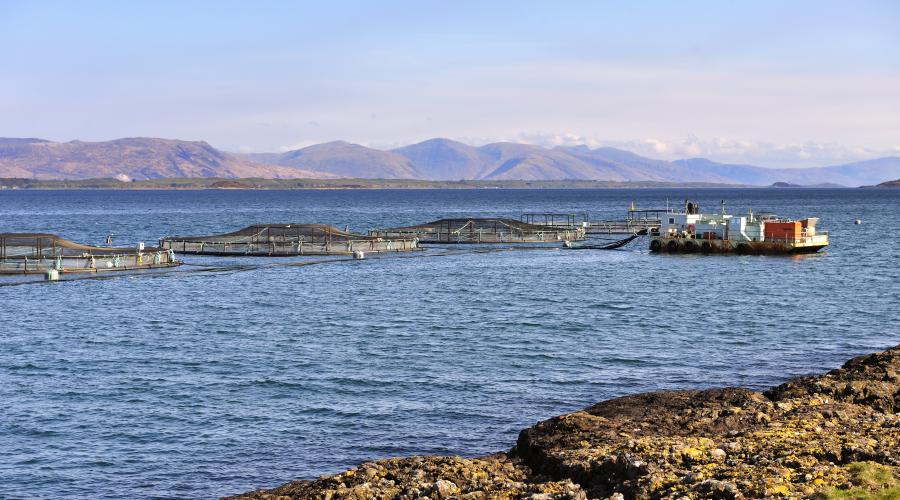
Fish farming is a key component of Scotland’s Blue Economy, with Scottish aquaculture dominated by the cultivation of farmed salmon. These are principally grown at sea in open net cages.
We are one of four bodies with a statutory role in advising planning authorities on fish farming planning developments. A new working arrangements document outlining the roles and responsibilities of the statutory bodies is currently being developed by the Scottish Government.
The working arrangement is between:
- Scottish Environment Protection Agency
- NatureScot
- Marine Directorate
- Association of Salmon Fishery Boards
Shellfish farming
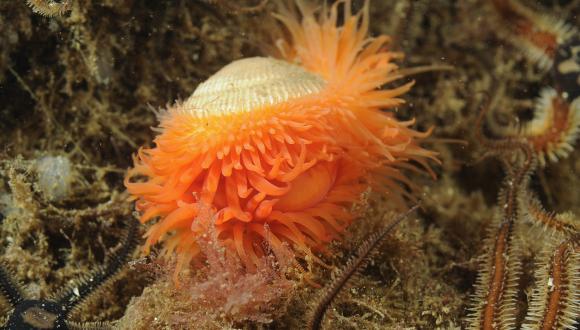
Shellfish farming is a significant and growing sector in aquaculture production. It includes mussel cultivation on long lines or rafts, the growth of oysters (both native and Pacific) in trestles or bags and the rearing of scallops.
Read more about our guidance on Shellfish farming here.
Seaweed aquaculture
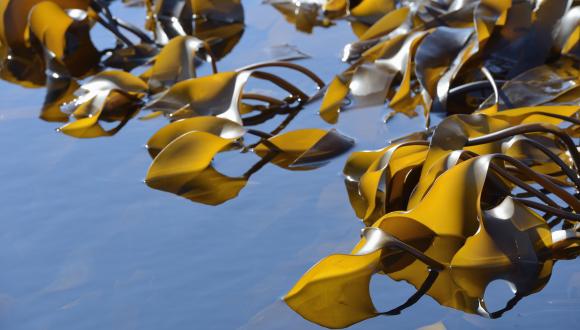
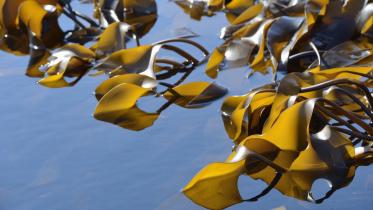
Seaweed aquaculture is an emerging sector in Scotland’s coastal waters with the potential to provide a significant contribution to Scotland’s marine economy. Read our Standing Advice for Seaweed Aquaculture.
Guidance
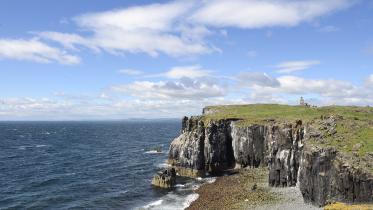
Learn how to assess the character and visual qualities of the coastal landscape and seascape, and how to address the landscape and visual impact of marine aquaculture developments. We also provide information and guidance on coastal character assessment.
View and download:
- Guidance on Landscape/Seascape Capacity for Aquaculture
- The siting and design of aquaculture in the landscape: visual and landscape consideration
- Visualisations for aquaculture: guidance note
- Coastal Character Assessment
Interim guidance is also available on pole-mounted top nets and marine birds and the information required if seeking advice from us on the proposed use of such netting. See:
- Interim technical briefing note - Pole-mounted top nets and birds at finfish farms
- Standardised proforma for recording entanglement and entrapment associated with top-mounted pole nets
Commissioned research
In 2011, we commissioned pilot studies into landscape/seascape capacity for aquaculture for Orkney and the Western Isles. The results informed the above guidance on landscape and aquaculture.
Contact
Our Area teams lead to provide our advice for aquaculture. Any requests for aquaculture advice should be made using our new InformedDECISION™ casework service.
Last updated: