Menu
NatureScot Logo NatureScot Logo
Close navigation
  • Home
  • About NatureScot
  • Climate change
  • Enjoying the outdoors
  • Funding and Projects
  • Gaelic
  • Information hub
  • Landforms and geology
  • Landscapes and habitats
  • Plants, animals and fungi
  • Professional advice
  • Scotland's Biodiversity

Shellfish farming

https://www.nature.scot/doc/shellfish-farming
Breadcrumb navigation
  • Information hub Information hub
    • About NatureScot
    • Climate change
    • Enjoying the outdoors
    • Funding and Projects
    • Gaelic
    • Landforms and geology
    • Landscapes and habitats
    • Plants, animals and fungi
    • Professional advice
    • Scotland's Biodiversity
  • Publications and documents Publications and documents
    • News
    • Podcasts
    • Blogs
    • Webinars
    • Seminars
    • Research
    • NatureScot data services
    • Trends, Indicators and Official Statistics
    • Newsletters
    • Archived Publications

As with all coastal developments, we aim to guide shellfish cultivation towards the most suitable locations and adoption of the best practices to safeguard Scotland’s nature and landscapes.

The Scottish shellfish sector is a significant contributor to the Scottish economy, with a total value at estimated at £14.1 million in 2023. 

NatureScot is supportive of the sustainable development of the sector, delivering good development in the right places. This is line with our approach to planning and development. 

Site selection

Developers must minimise impacts upon sensitive habitats, including relevant Priority Marine Features (PMFs). Where sites are proposed within or close to Marine Protected Areas (MPAs) or where an activity may impact on PMFs, additional management measures may be required to ensure the protection of relevant marine habitats and species. Additional guidance should be sought from NatureScot. 

Biosecurity

A biosecurity plan should be prepared as part of any proposal and should be in place before any activity commences. This plan should set out the measures that will be taken to ensure operations do not result in the accidental introduction or transportation of any invasive non-native species or pathogens to the area. The plan should include all operations from collection of wild material and hatchery stage through to the on-growing, harvesting and processing stages. Guidance on best practice biosecurity planning can be found online in NatureScot commissioned report 748. 

Non-native species

Under the Wildlife and Countryside Act 1981 (as amended) it is an offence for a person to release or allow to escape from captivity any animal to a location out with its native range.  For the cultivation of Pacific oysters, please see our Pacific oyster standing advice.

Entanglement

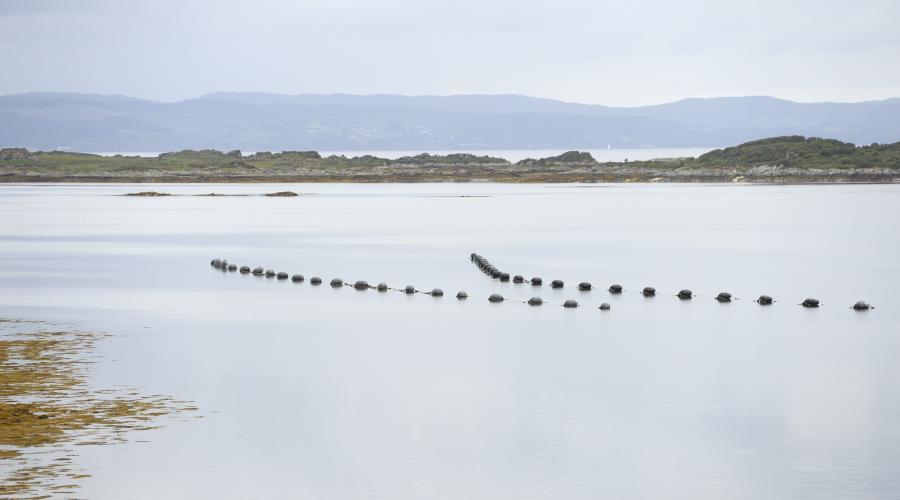
Cultivation infrastructure, including the use of long lines and mooring ropes will create structures that may pose a threat to marine megafauna through entanglement. Applicants for shellfish farms should consider the risk of entanglement.

Smaller cetaceans such as harbour porpoise and dolphin species is generally considered to be at low risk of entanglement. 

Minke whales appear to be particularly susceptible to entanglement in fishing gear, however there are no records of entanglement of minke whales occurring in any aquaculture equipment in Scotland or the UK.  

To improve our understanding of the risk of marine mammal entanglements, any licence granted should commit the developer to reporting any entanglement incidents with marine mammals. Entanglement incidents should be reported to Marine Directorate, NatureScot and the Scottish Marine Animal Strandings Scheme. 

Contact

Our Area teams lead to provide our advice for shellfish farming. Any requests for advice should be made using our new InformedDECISION™ casework service.

Feedback
  • Facebook
  • X
  • Whatsapp
  • Email

You may also be interested in

Seaweed aquaculture (farming/cultivation)

23 Jan, 2025

Seaweed aquaculture is an emerging industry in Scotland’s coastal waters and has the potential to provide a significant contribution to Scotland’s marine economy.

Advice

Seaweed harvesting

Kelp and other seaweeds play an important role in coastal and marine ecosystems. Providing food, shelter and a variety of ecosystem services.

12 Apr, 2017

News and Blogs

World Peatlands Day celebrated with record restoration figures in Scotland

Job opportunities, collaboration and nature recovery show promise for the national commitment to restore Scotland’s peatlands.

News - 2 June

Helping Scotland’s Rainforest thrive

Helping to restore Scotland’s precious rainforests by reducing deer grazing pressures.

Blog - 28 May

Guga hunt statement

NatureScot's latest guga hunt statement.

News - 26 May

Consultation for Scotland’s peatlands

Now open to peatland practitioners, land managers, regulators, funders, researchers, and members of the public to have their say.

News - 22 May

Warning: roe deer on the move

Drivers are being warned to watch out for roe deer on the roads at this higher-risk time of year for deer-vehicle collisions. 

News - 26 May

A Green Light for Nature

South Ayrshire is becoming a leading example of how nature can support healthier, connected, happier communities.

Blog - 21 May

View all news

View all blogs

Back to top Back to top

Quick Links

  • What we do
  • FAQs
  • Contact us
  • Our work
  • Licensing
  • Careers
  • Gaelic
  • Events
  • Sitemap
  • Publications & Documents
  • Board and Committees
  • NatureScot data services
  • Freedom of Information
  • LinkedIn
  • Facebook
  • Instagram
  • YouTube
  • Wordpress
  • Flickr


© NatureScot 2025

  • Privacy policy
  • Cookie policy
  • Accessibility
  • Copyright
  • Links policy
  • Feedback