Peatland ACTION case study: Investigating peatland restoration and liver fluke
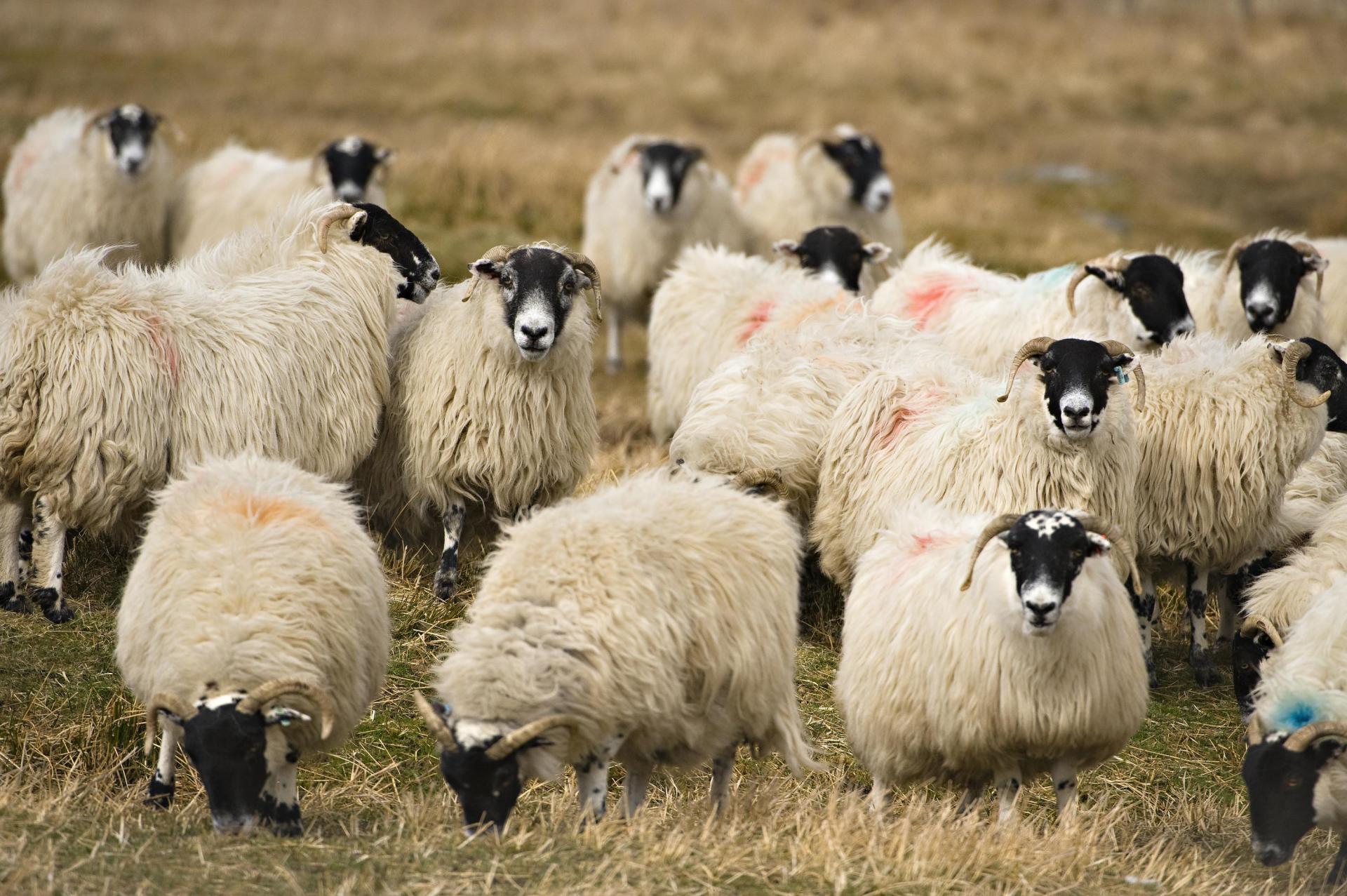
Liver fluke is a highly pathogenic flatworm parasite of sheep and cattle. It’s spread through an intermediate host - a tiny snail that thrives in wet, muddy conditions.
This has led to farmers and crofters asking if peatland restoration, which involves rewetting and revegetating areas of damaged peatland to reduce carbon emissions, could lead to a greater risk of infection for stock grazing the land. However, research by the Moredun Research Institute has found that the acidic nature of peatlands, coupled with the lack of mud, mean that this is unlikely to be the case. This case study of their work in Shetland explains more.
Summary
For this case study, we talked to two scientists, Philip Skuce and Gillian Mitchell, from the Moredun Research Institute. They have been studying the impact of peatland and wetland restoration on the prevalence of liver fluke. Their findings so far suggest that, combined with the right monitoring and informed decision-making, peatland restoration is unlikely to increase liver fluke risk. Having said that, as with all things fluke-related, it's complicated!
The research project
Philip Skuce and Gillian Mitchell pick up the story.
We started out by asking them why they find a species that many people think is repellent so fascinating?
Liver fluke are fascinating because they have the most amazing life histories and are extremely successful pathogens. They can live in a variety of hosts and can survive most of what we and the environment throw at them!
How does the liver fluke infect livestock?
Livestock become infected by ingesting infectious fluke cysts off the pasture while grazing. These are shed by the fluke’s mud snail intermediate host, so there is an intimate relationship between fluke risk and access to mud snail habitat.
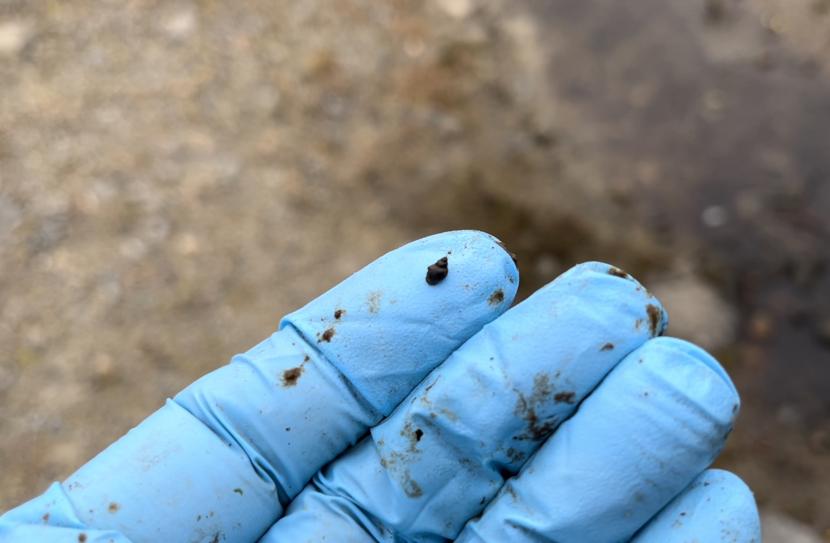
The tiny mud snail, Galba truncatula, is the intermediate host for the liver fluke. © Philip Skuce/Moredun Research Institute
Why is the Moredun Research Institute interested?
Moredun is committed to promoting livestock health and welfare through cutting-edge research and education. As such, we focus on the major endemic diseases of concern to livestock farmers in Scotland and beyond. Liver fluke is right up there as a priority for livestock farmers, as it is highly pathogenic and can cause significant production losses and even deaths in grazing livestock, especially sheep.
Why is this research so important?
The research is so important because it allows us to help farmers better understand what they’re up against with liver fluke, but also to give them advice and practical solutions in the form of diagnostic testing options and sustainable disease control strategies. Sadly, we don’t yet have a vaccine, so we are currently reliant on avoidance tactics and routine flukicide treatments, which is not a sustainable strategy in the long-term.
How will the research help farmers, especially in a peatland setting?
Over the past few years, we have been conducting research on liver fluke risk in the context of agri-environment schemes. This has included investigating fluke risk associated with saltmarsh grazing on the Solway Firth, grazing around wader scrapes in the Scottish Highlands and, most recently, fluke risk associated with grazing on a peatland restoration site up in Shetland.
Although these grazing scenarios are all different, our approach is essentially the same. We want to better understand the grazing habitat, especially the presence or absence of the liver fluke’s mud snail intermediate host, and also to sample ‘sentinel’ animals grazing these sites for evidence of liver fluke infection, ideally before, during and after grazing a particular habitat.
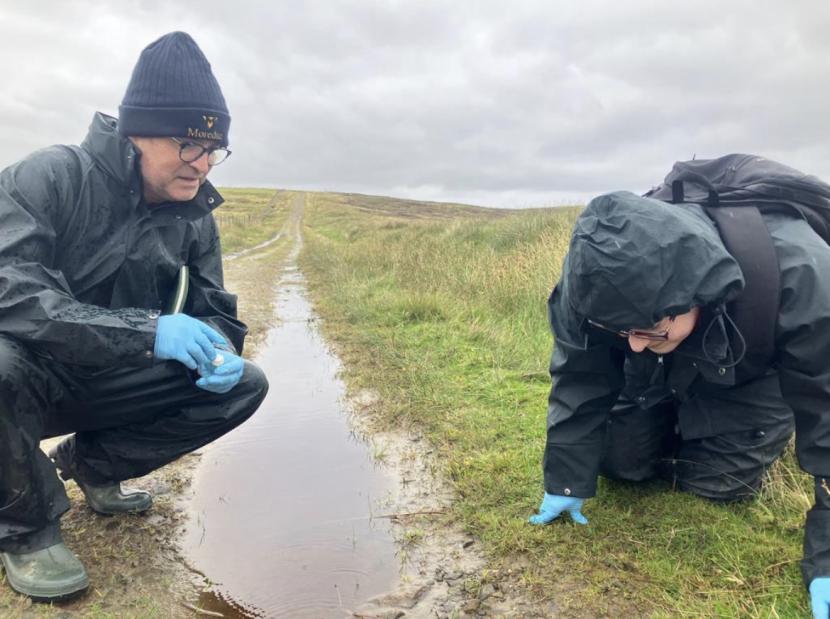
Looking for the mud snails can be a challenge! © Philip Skuce/Moredun Research Institute
How did you begin researching the impact of peatland restoration on liver fluke?
We first became aware of the liver fluke issue on peatlands in Shetland through the local NatureScot Peatland ACTION project officer, Sue White. Sue reported that crofters at Sandy Loch near Lerwick were concerned about the potential liver fluke risk associated with their sheep grazing on rewetted or restored peatland sites. We were able to visit Shetland in August 2022 and held a crofters’ meeting to better understand their concerns, before actually visiting the site the next day.
Intuitively, we considered restored peatland as less than ideal mud snail habitat, mainly because there’s little or no mud and the pH is typically too acidic to support the liver fluke’s favoured intermediate mud snail host, Galba truncatula. Like Goldilocks Galba snails like things ‘just right’! That said, we needed to investigate for ourselves and not come with any preconceived ideas. We conducted faecal egg counts, a routine diagnostic indicator of fluke infection, on sheep at seven peatland sites across Shetland. Only three of these sites were positive for liver fluke.
At Sandy Loch, one of the three positive sites for liver fluke, we didn’t find any mud snails (or mud) on the restored peatland itself, but we did find hundreds of the little Galba snails on the gravel path to and from the site, where the sheep would communally graze. Subsequent analysis revealed around 10% of these to be infected with liver fluke.
Our working hypothesis now is that the sheep may have acquired liver fluke infection from grazing around the marginal areas leading to/from the restored peatland site, but not on the peatland itself. And while we were not able to confirm it, they may also have been harbouring liver fluke infections from grazing on in-bye land at their respective home farms. We can’t rule that out.
Is there more research to come?
Yes, we were able to revisit the Sandy Loch site in August 2024, almost exactly two years from our initial visit. We still found a few Galba snails on the track margins, though not as many as the first time. More significantly, we also found a large number of very small snails that looked a bit like Galba in the blocked drains leading to the peatland. These proved to be a different species—possibly Ampullaceana balthica, which are known to prefer acidic conditions, and can harbour liver fluke.
Molecular detective work back in the lab revealed that a very small proportion of these snails were, in fact, Galba, and that there was evidence of liver fluke infection within them. Significantly, a small proportion (1-2%) of the Ampullaceana snails was also infected with liver fluke. Having said that, it is important to stress that, even if we can detect liver fluke DNA in the snails' tissues, that does not automatically mean they are capable of actually shedding the fluke's infectious stages and contributing to fluke transmission on the peatland. Indeed, we monitored a subset of these Ampullaceana snails in the lab, but did not observe any of them shedding infectious stages.
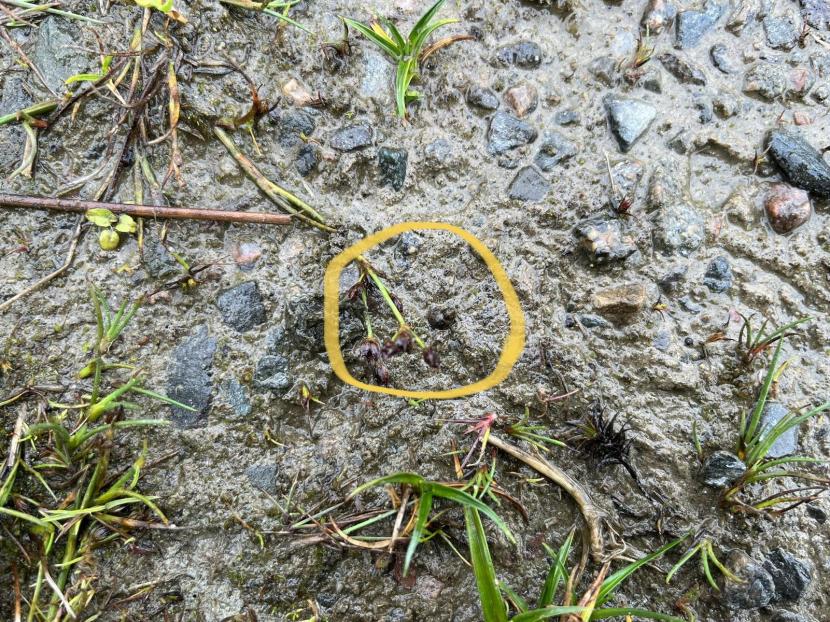
A mud snail in its favoured habitat. ©Philip Skuce/Moredun Research Institute
What does your research mean for farmers and crofters thinking about peatland restoration?
What our research so far has demonstrated is that it is possible to engage in ‘conservation grazing’, agri-environment schemes, including peatland restoration, with all the potential environmental benefits these bring, without compromising animal health and welfare. However, that only comes with ongoing monitoring and informed decision-making.
This is of course true wherever you farm livestock. Animal health and welfare should be paramount in any of these grazing scenarios. There’s a fine balance between win-wins and unintended consequences, hence our push for evidence-based decision-making.
The best indicators of infection are the animals that are actually grazing these rewetted areas. It obviously also helps to have an understanding of the liver fluke life-cycle, to be able to risk-assess a field or farm for fluke, and recognise the mud snails and their habitat.
But we don’t expect farmers or crofters to have the time to do that. What they can do is understand what diagnostic tests are available for detecting liver fluke in their animals and what each one tells you about the fluke risk, the need to treat (or not), which product to use etc.
The Scottish Government, under their Preparing for Sustainable Farming (PSF) initiative*, which has now been extended until 31 December 2025, actually includes payments for Animal Health & Welfare Interventions, specifically including liver fluke testing. We would encourage as many farmers and crofters as possible to avail themselves of this scheme and associated funding, as this may be the last year it is available.
Useful links and further information
SEFARI case study: Liver Fluke Risk and Agri-environment Schemes: a Tale of Toads, Snails and Wetland Birds
Sustainable Control of Parasites (SCOPS) - Liver fluke
Control of Worms Sustainably (COWS) - Liver and rumen fluke
* If 2025 is the first year that farmers make an Animal Health and Welfare claim within PSF, they will automatically be given an extra £250 for CPD. So if they manage to do the fluke option for cattle plus for sheep, they could recoup £750 in funding. The intervention must be complete by 31 December 2025, so they need to think about submitting winter samples in time.
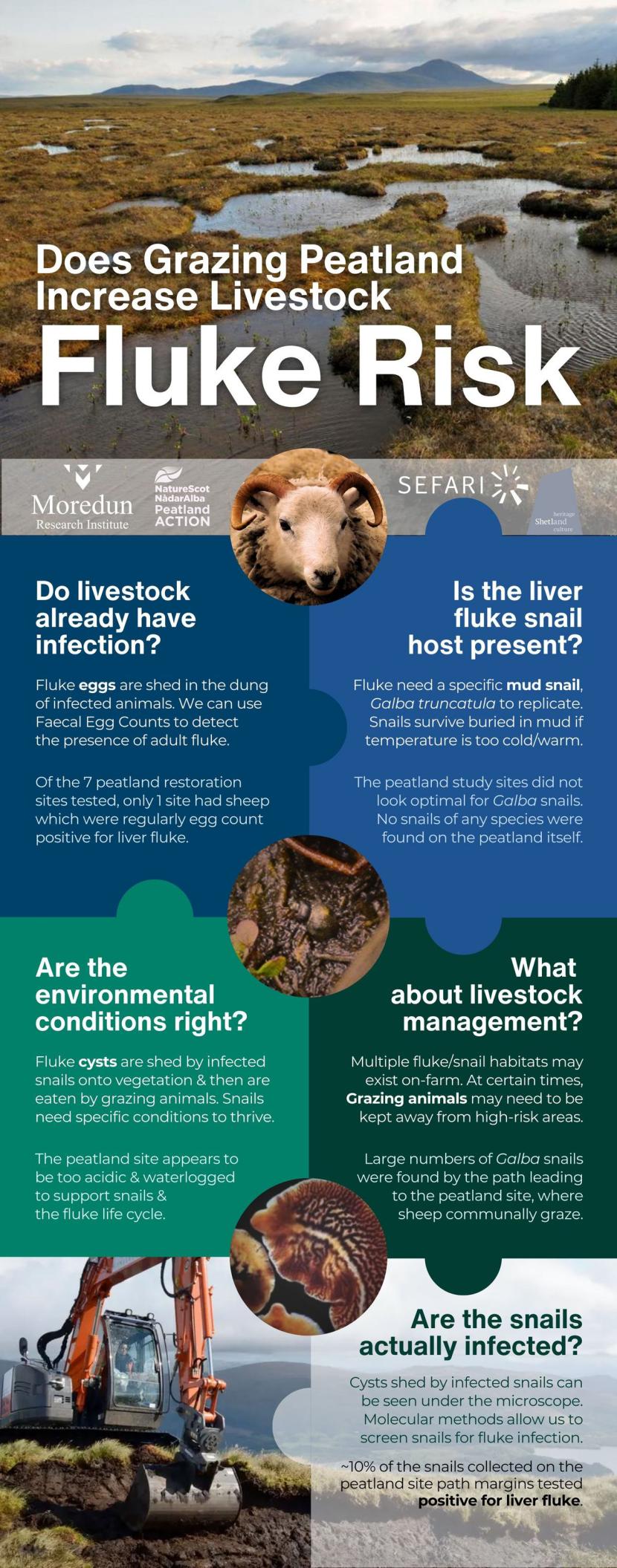
Poster created to explain the research on Shetland to local crofters. © Gillian Mitchell/Moredun Research Institute
Logos of the Moredun Institute, Scottish Government, RESAS, SEFARI and SRUC
Last updated: