NatureScot's Net Zero Journey
Our ambition
NatureScot is committed to achieving 'net zero' greenhouse gas emissions from our operations by 2035. This means we will have minimised emissions from the way we work and will be using nature-based measures on our land to actively absorb the equivalent amount of emissions we cannot avoid. This supports Scotland’s wider ambition to become a net zero nation by 2045. As we implement measures to reduce our emissions, we will integrate climate adaptation and biodiversity enhancement at every opportunity.
We recognise that climate change and biodiversity loss are linked challenges. As Scotland’s nature agency we have a responsibility not only to support Scotland’s transition to net zero through our work, but also to reduce emissions from our own operations and lead by example.
Our approach prioritises reducing emissions at source wherever possible and embedding sustainability into the way we work, manage our estate, travel, procure goods and services, and make decisions across the organisation.
Why this matters
Climate change is already affecting Scotland’s people, places and nature through rising temperatures, changing rainfall patterns and more frequent extreme weather events. At the same time, health ecosystems play a critical role in helping tackle climate change by storing carbon, supporting biodiversity and improving resilience.
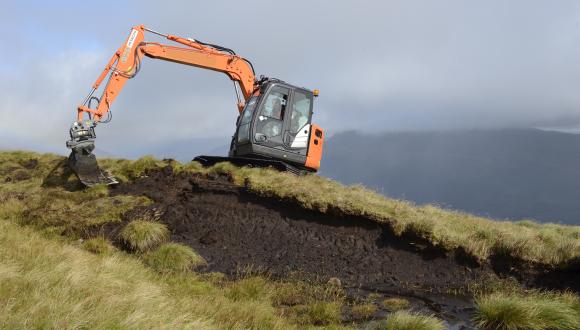
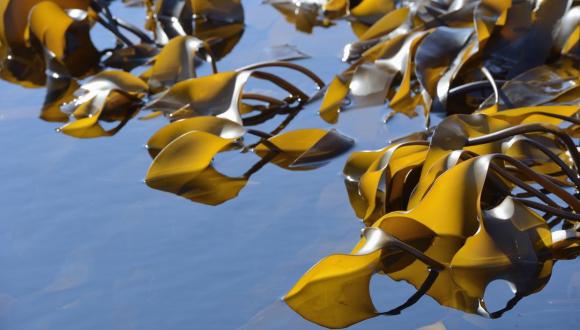
NatureScot’s operational net zero journey sits alongside our wider work to protect and restore Scotland’s natural environment, including peatland restoration, woodland expansion, marine protection and landscape-scale nature-based solutions that help build a resilient, nature-positive future.
Our approach to net zero
Our aim is to minimise pollution from all areas of our operations, focusing on where we have most control - our buildings and our work vehicles. To compensate for truly unavoidable greenhouse gas emissions, by 2035 we will put in place land and marine-based measures that durably absorb at least as much CO2 from the atmosphere as we emit.
Buildings and estate
We are working to reduce emissions from our offices, nature reserve buildings and operational estate through:
- continual review of the size and location of our estate to ensure it mees operational requirements
- improving energy efficiency to reduce energy demand and running costs
- replacing heating systems with ‘clean’ alternatives, and installing and upgrading renewable energy systems to meet building energy demand
- adapting our buildings to current and future climate change impacts
- enhancing local biodiversity around our buildings.
Sustainable travel and fleet
Travel remains an integral part of how we work across Scotland, particularly for site visits, fieldwork and engagement with partners and communities.
We are reducing emissions from travel by:
- supporting lower-carbon travel choices including public transport
- replacing diesel 4x4s with electric and low-emission alternatives where operationally feasible
- installing charging infrastructure
- encouraging sustainable travel planning.
Procurement, supply chains and digital systems
Over the period of this Net Zero Plan we will quantify the size and main sources of our procurement emissions, i.e. those from the goods and services we buy each year. This will include measuring the climate impacts of our digital systems, including hardware, software, AI, cloud services and electronic waste.
This information will be used to develop clear actions to minimise these sources, building on existing sustainable procurement guidance.
Land
Similar to procurement and digital systems, we will be quantifying the location and scale of CO2e emissions (and sequestration) from the land we own and manage. We will also calculate how and where this can be used to ‘inset’ our unavoidable emissions. In doing this we remain keenly aware of the need for other, non-land owning, public bodies to offset their own unavoidable emissions.
Progress so far
We continue to monitor and report our emissions annually through Scotland’s Public Bodies Climate Change Duties reporting framework and use this information to inform priorities and actions. All of our Climate Change reports are publicly available.
Since reporting of our corporate emissions began in 2014/15 we have seen a reduction of around 35%. This has been driven by a combination of rationalisation of our buildings, transition of our cars and vans to electric alternatives and decarbonisation of the national grid.
In 2024 we published our first climate change adaptation framework, which sets out how NatureScot will respond and adapt to the impacts of a changing climate, through actions that reduce climate change risks to all our work.
We recognise that some aspects of decarbonisation remain challenging, particularly in remote and operational contexts, but we are committed to continuous improvement and long-term action.
Supporting a nature-positive future
Reducing emissions from our own operations is only one part of NatureScot’s contribution to addressing the climate emergency. Through our wider work with partners, land managers, communities and public bodies, we support the protection and restoration of nature across Scotland, helping deliver benefits for climate, biodiversity and people together.
Our ambition is to help create a Scotland where nature is restored, valued and playing a central role in achieving a fair, resilient and net zero future.
Find out more
- NatureScot's plan to Net Zero – previous 2021-2026
- NatureScot's Climate Change Commitments 2019
- Sustainable Procurement in NatureScot
- Annual SSN reports
Contact
Email: Ivana Curuvija
Net Zero Officer, NatureScot
Last updated: