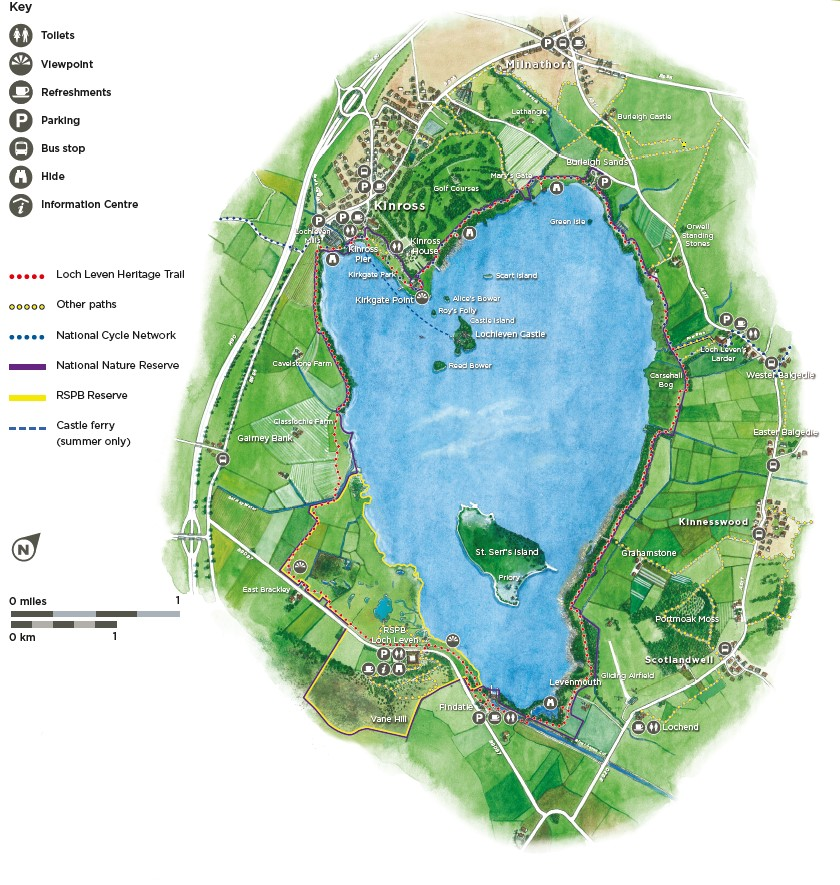
Loch Leven NNR - Reserve leaflet
Welcome to Loch Leven National Nature Reserve managed by NatureScot and our partners
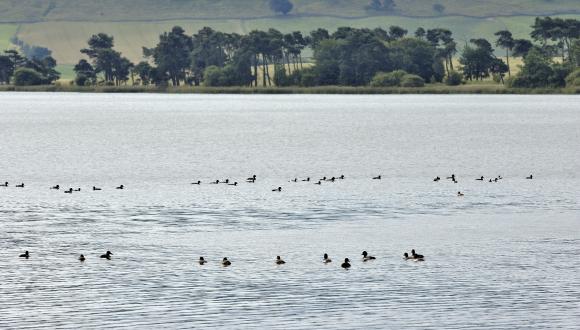
Nestled between the Ochil, Lomond and Cleish hills, this special place is important on a global scale. Loch Leven has the most breeding ducks of any other inland freshwater body in Europe as well as being an important stopover for tens of thousands of migrating geese and ducks.
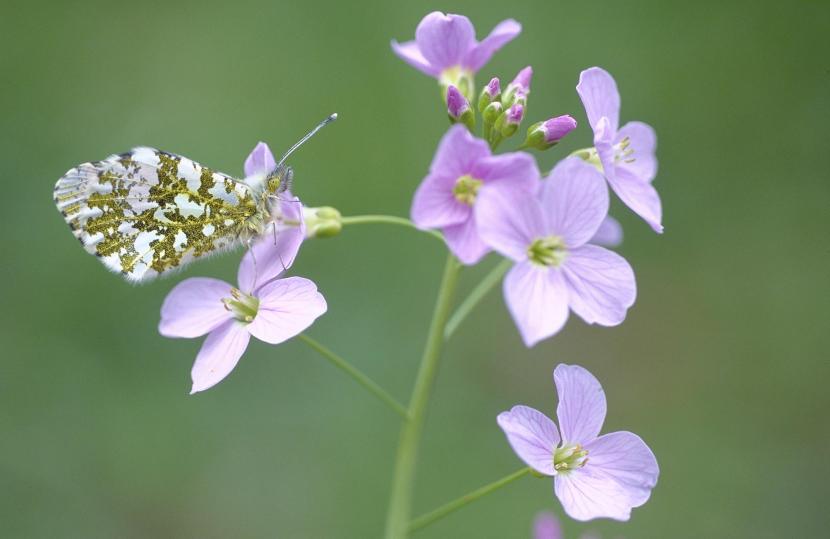
The rich mosaic of wet grasslands, meadows, raised bog, willow and reed beds provides habitat for an amazing range of plants, insects, birds and mammals and is well worth exploring all year round.
Migration magic
Loch Leven is an international hub for birds. That’s a major reason for it being awarded National Nature Reserve status, plus many other honours. It’s a place that merits both praise and protection.
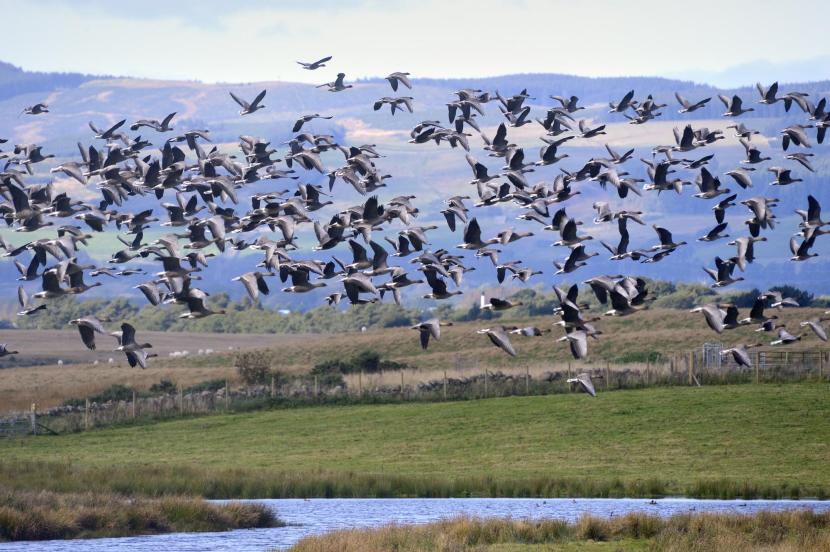
Almost all of the world’s population of pink footed geese winter in Britain and Loch Leven provides important autumn and spring staging posts. Throughout the winter there are several thousand migratory wildfowl including pochard, whooper swan, tufted duck and teal.
Serfing the island community
The seven islands provide many nesting sites safe from predators. St Serf’s is the largest and is the front runner in the inland European duck nesting league. Tufted duck top the bill here, followed by gadwall and mallard as well as the burrow nesting shelduck and rare breeders such as teal and shoveler.
Wonderful world of wetlands
With half the loch less than two metres deep, it is ideal for dabbling ducks, ducklings and up-ending swans to grab some of the small creatures and plants that thrive in the food-rich water.
The shoreline plants provide vital shelter and safety for breeding birds and their broods in the spring.
Recently success in restoring wetlands around the loch edge, has boosted many species including orchids, dragonflies, wading birds (like lapwing, snipe, curlew and redshank), and wintering geese and swans.
Globe-trotting trout
Loch Leven’s fish have long been famous. The native brown trout that live here are so highly prized that anglers have introduced Loch Leven trout to many different countries. You’ll find them now from Canada to New Zealand and many places in between.
A loch of history
Some of Scotland’s first farmers settled here around 5,000 years ago during the Stone Age and our Celtic ancestors built a crannog – a loch dwelling on stilts – in the Iron Age. Later, in the Middle Ages, monks set up a retreat on St Serf’s Island.
Loch Leven’s most famous visitor was Mary Queen of Scots, held captive at Loch Leven Castle between June 1567 and May 1568.
Gaining ground
The biggest change at Loch Leven took place between 1830 and 1832 when land and mill owners wanted more land for farming and a controllable water supply for downstream mills. They cut a deeper, straight channel for the River Leven at Findatie and added sluice gates that are still in operation.
The effects were dramatic: the area of loch and surrounding wetland shrank to 13 square kilometres as the shoreline moved inward by 500 metres revealing 3 new islands.
Way to go
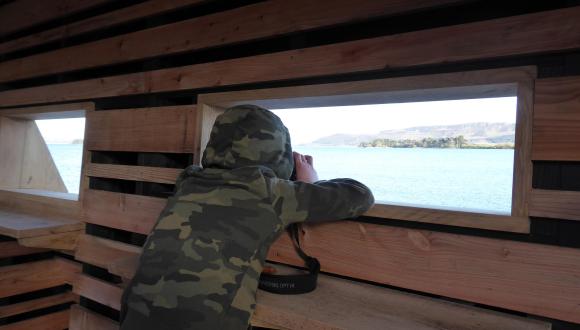
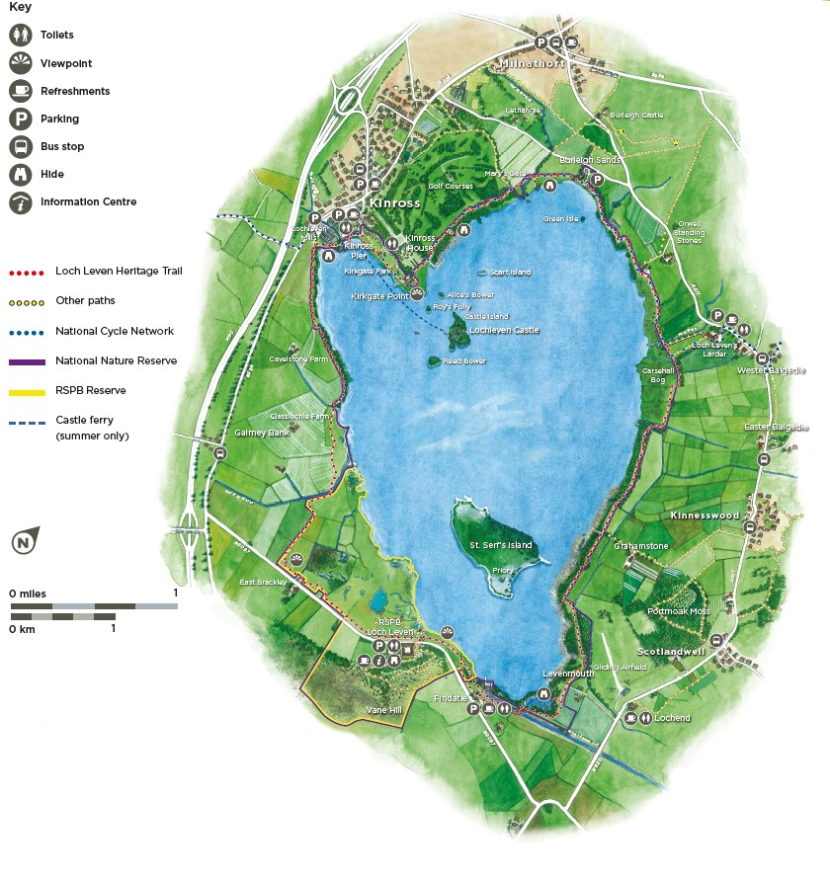
The Heritage Trail is a 13 mile/21 km traffic-free path through Loch Leven National Nature Reserve. It goes through varied woodland, has several wildlife watching shelters and beautiful views. If you prefer a shorter route just enjoy part of the trail.
The path is mostly level and barrier-free. The surface ranges from smooth to uneven gravel throughout. At Findatie access is by a long slope (1:12), there are also steep slopes at the East Brackley viewpoint and between RSPB Loch Leven and Findatie. Access to the RSPB part of the reserve from their visitor centre is via a sloping tarmac path and underpass. More detailed information can be found at nnr.scot.
Need to know
Loch Leven is a haven for birds and other wildlife, much of which is sensitive to disturbance. Please help to keep this place special by going quietly in wildlife sensitive areas.
Dogs can terrify birds and other wildlife. Please keep your dog under control at all times and on a short lead in wildlife sensitive areas. You also need to clean up after it – it’s the law.
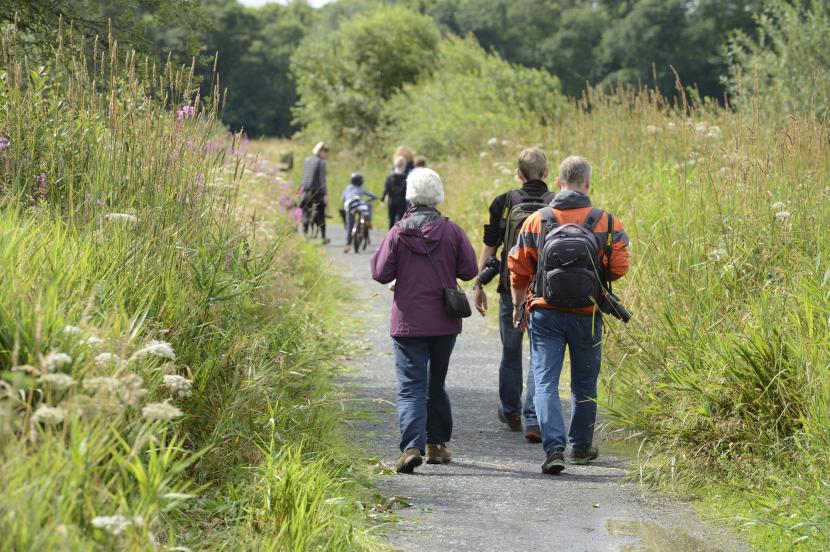
The Heritage Trail is used by walkers, cyclists, people with disabilities, children, dogs and horse riders, so please go carefully and be considerate. Please follow any local signage. At some times of year water access is restricted. Please check the website for the latest information.

Getting there
Click for a full description
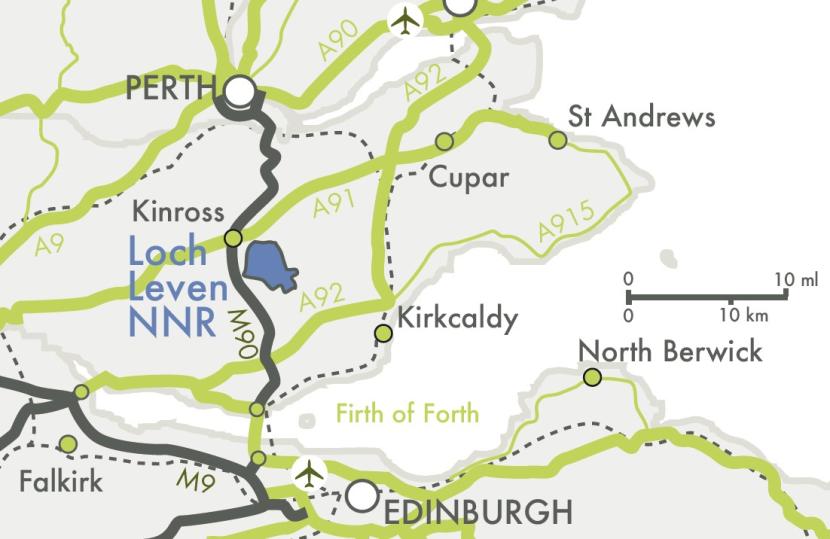
Loch Leven lies close to the M90 and can be accessed via the Kinross turn-off at junction 6. Bus services to Kinross run from Perth, Stirling, Edinburgh and Dundee. There are bike stands at Kinross Pier car park. Contains Ordnance Survey data © Crown copyright and database right 2022.
Find out more
NatureScot manage Loch Leven National Nature Reserve with our partners RSPB Scotland.
- NatureScot: Email [email protected] or telephone 01738 458609.
- Follow @lochlevenNNR on social media.
- Support this NNR at nature.scot/donate-nnr
- Visiting the reserve, getting involved and about the reserve
- RSPB Scotland: Email [email protected]
- Please report issues about the Heritage Trail path surface to Perth & Kinross Countryside Ranger Service
- Visit more of our nature reserves
Reserve map
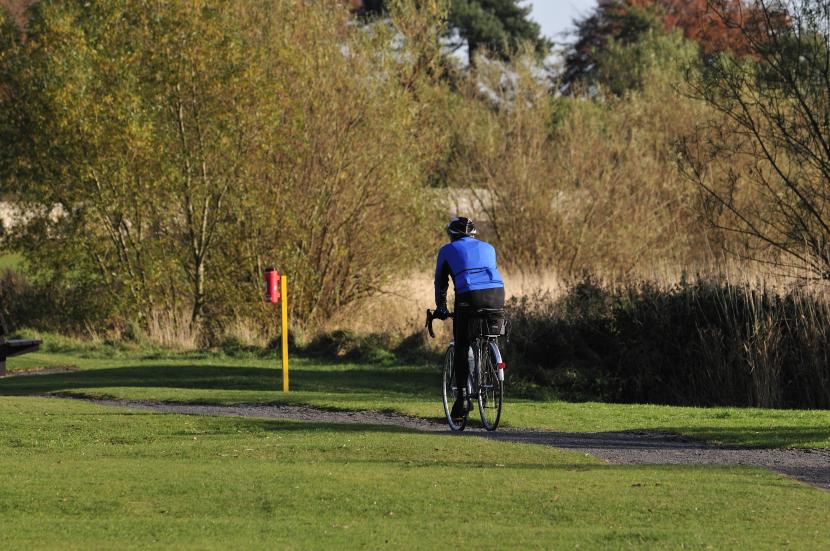
Cyclist on the Loch Leven Heritage Trail near Kinross, Tayside.
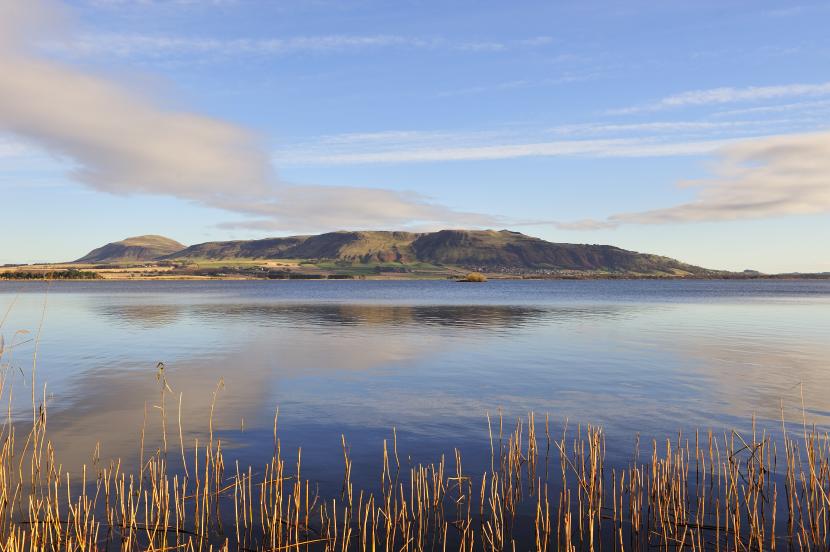
Panorama of Loch Leven NNR and the Lomond hills from the bird hide near Kinross.