
Leugh ann an Gàidhlig / Read in Gaelic
Since 1994 we’ve lost 15% of our wildlife in Scotland, but together we can turn this around. Looking after nature is good for us, the planet and wildlife. We’ve lots of simple and practical ways to Make Space For Nature in your everyday life. Follow our top tips to help yourself and reverse nature loss.
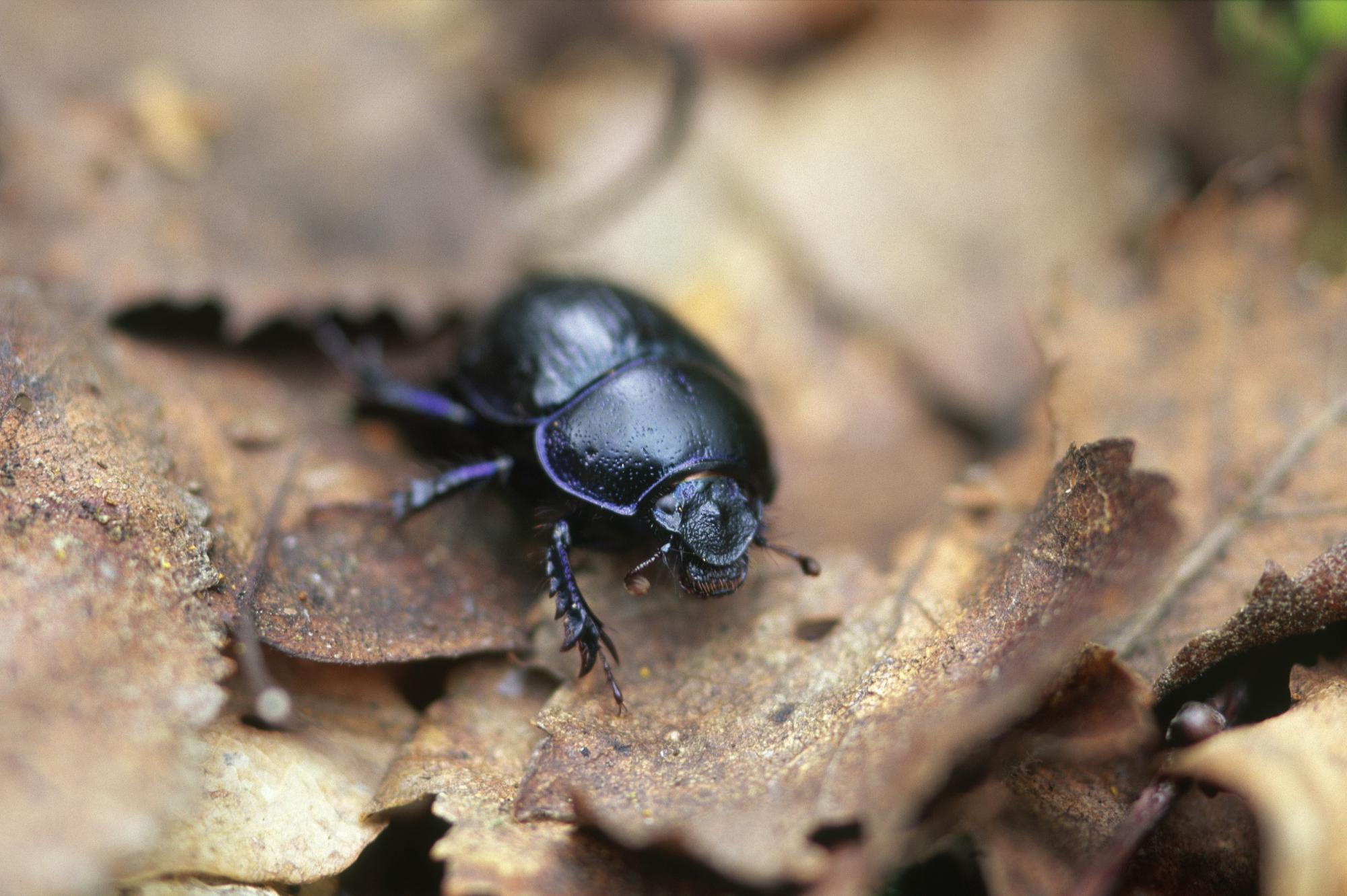
1. Gardening for nature
Allow vegetation to dieback naturally, mow less, and leave twigs and leaves for insects to shelter. Leave seedheads as these can provide a food source for birds and a home for insects. Plant bulbs and hedgerow starters ready for insects and mammals coming out of hibernation in spring.
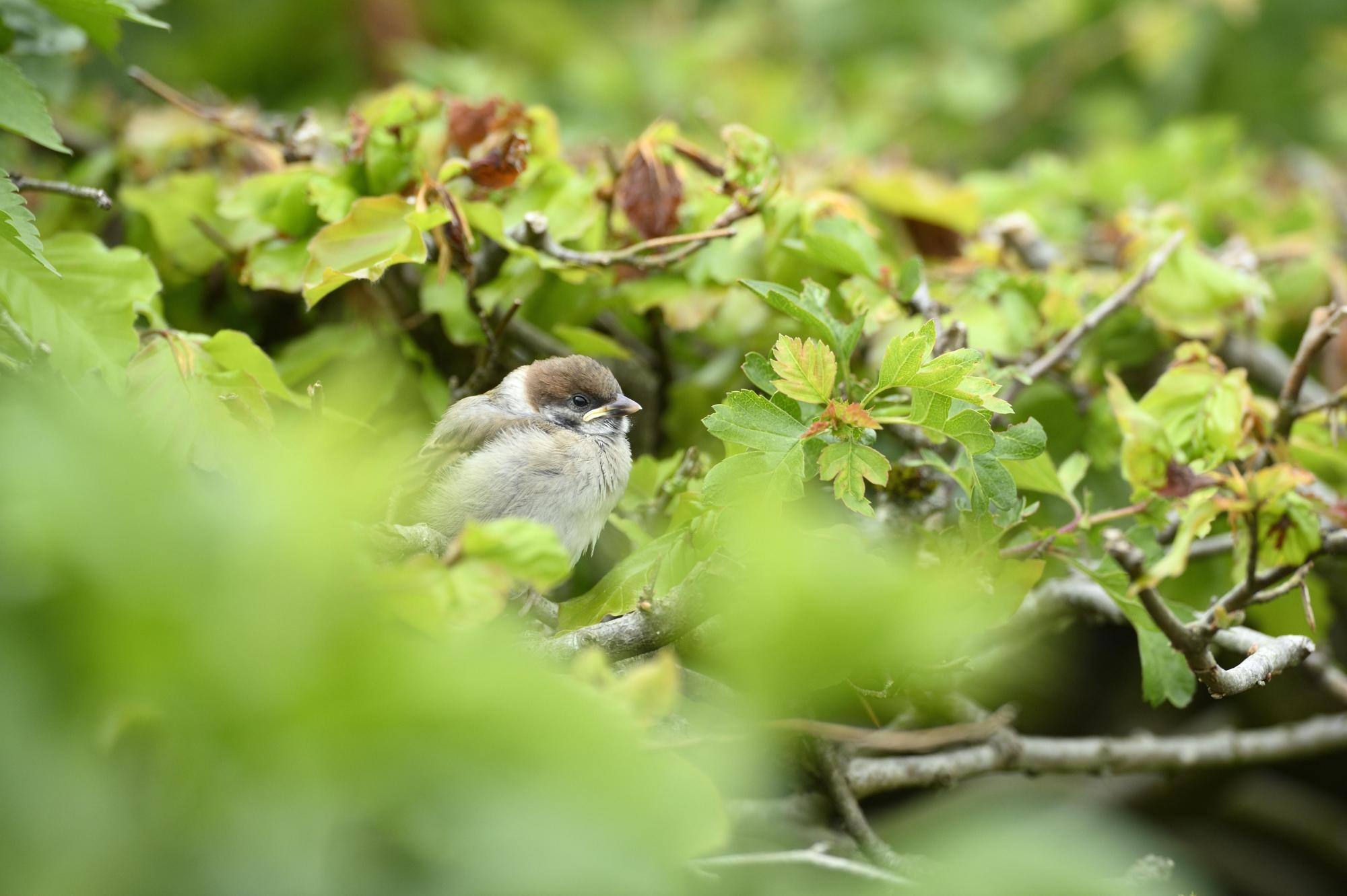
2. Plant for the future
Now's the last time to plant before it gets too cold. Use this handy guide to ensure you don't choose non-native invasive plants, a top threat to global biodiversity. Plants such as giant hogweed and Himalayan balsam harm native plants, birds and insects, as well as our economy, health and how we live!
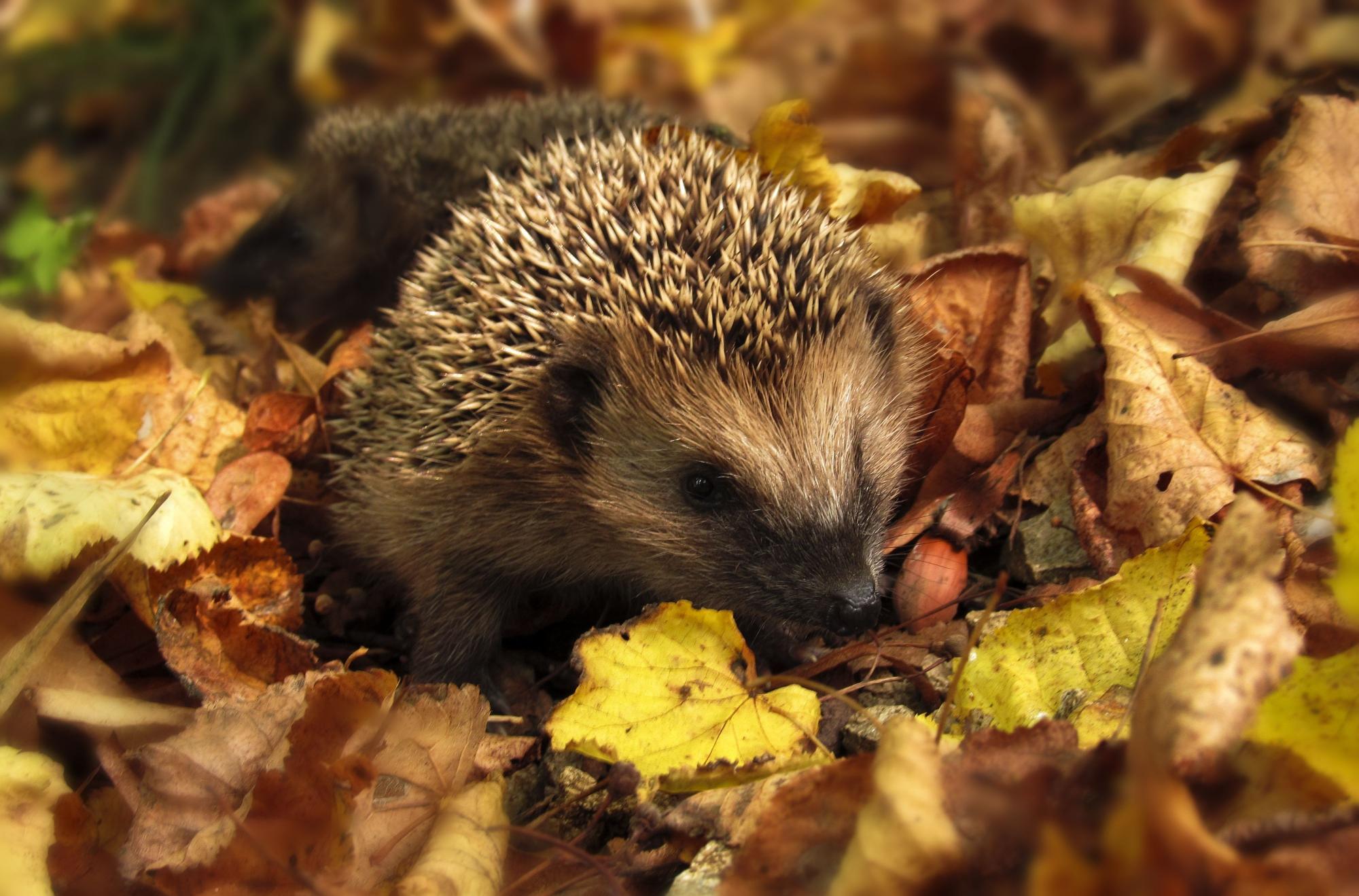
3. Nature based solutions
Much of the total carbon locked in our soil is found in our peatlands - help conserve them by using only peat-free garden products. If you have a compost heap, try not to disturb it often, as many creatures take shelter here. And add a water butt to capture and store rainwater.
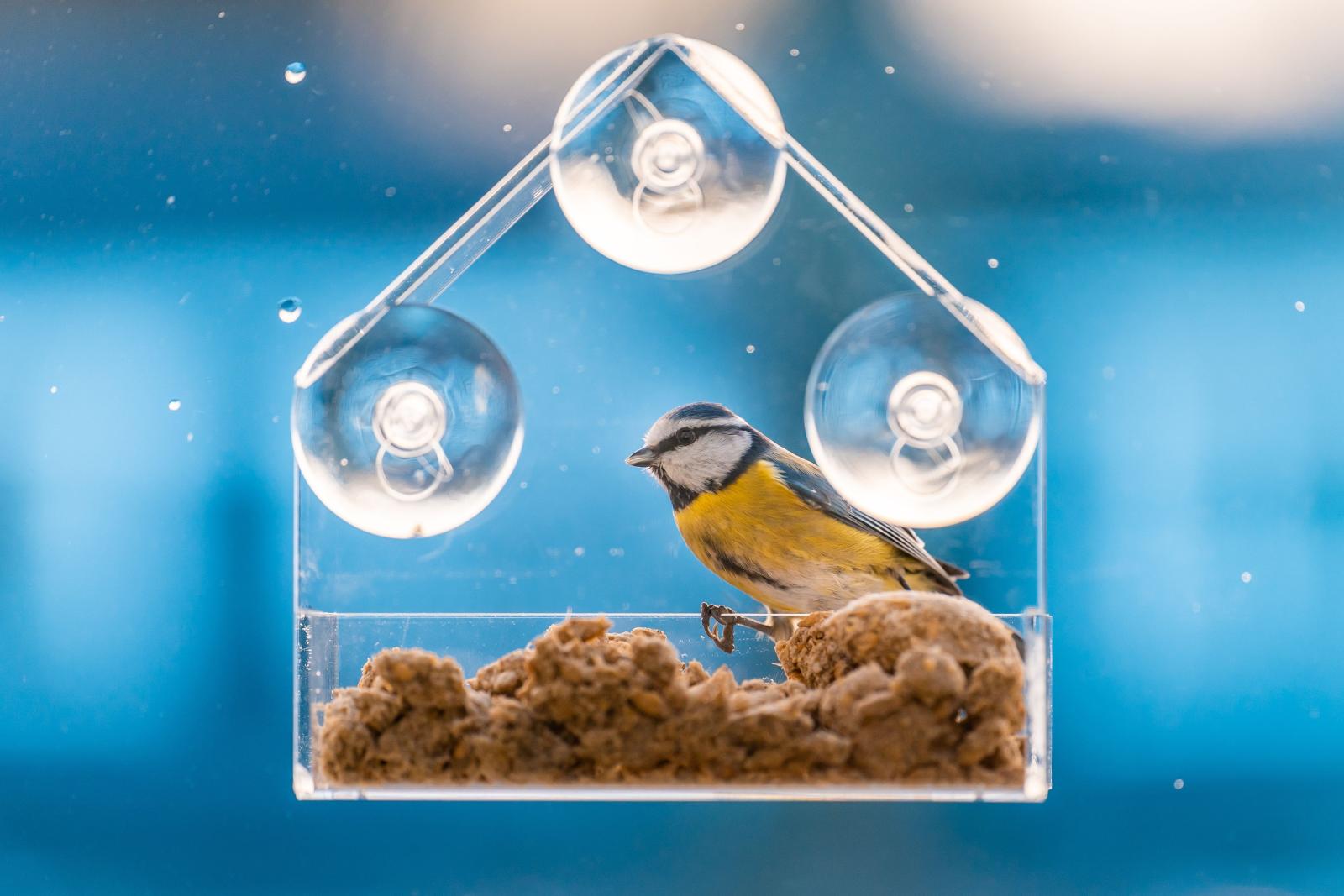
4. Help local birds
Now is a great time to erect bird houses and feeders, and clean out existing nestboxes - legally this should only be done between 31 July and 1 February to avoid disturbing active nesting attempts. Feeding birds is most beneficial between autumn and spring when natural food can be scarce, though try to avoid putting out too much at once. Keep feeders regularly topped up, moving them around to prevent waste build-up and cleaning them every few days. Seeds and mealworms are good options at this time of year. If putting out water, keep it fresh and give drinking bowls and bird baths a regular clean.
5. Provide water
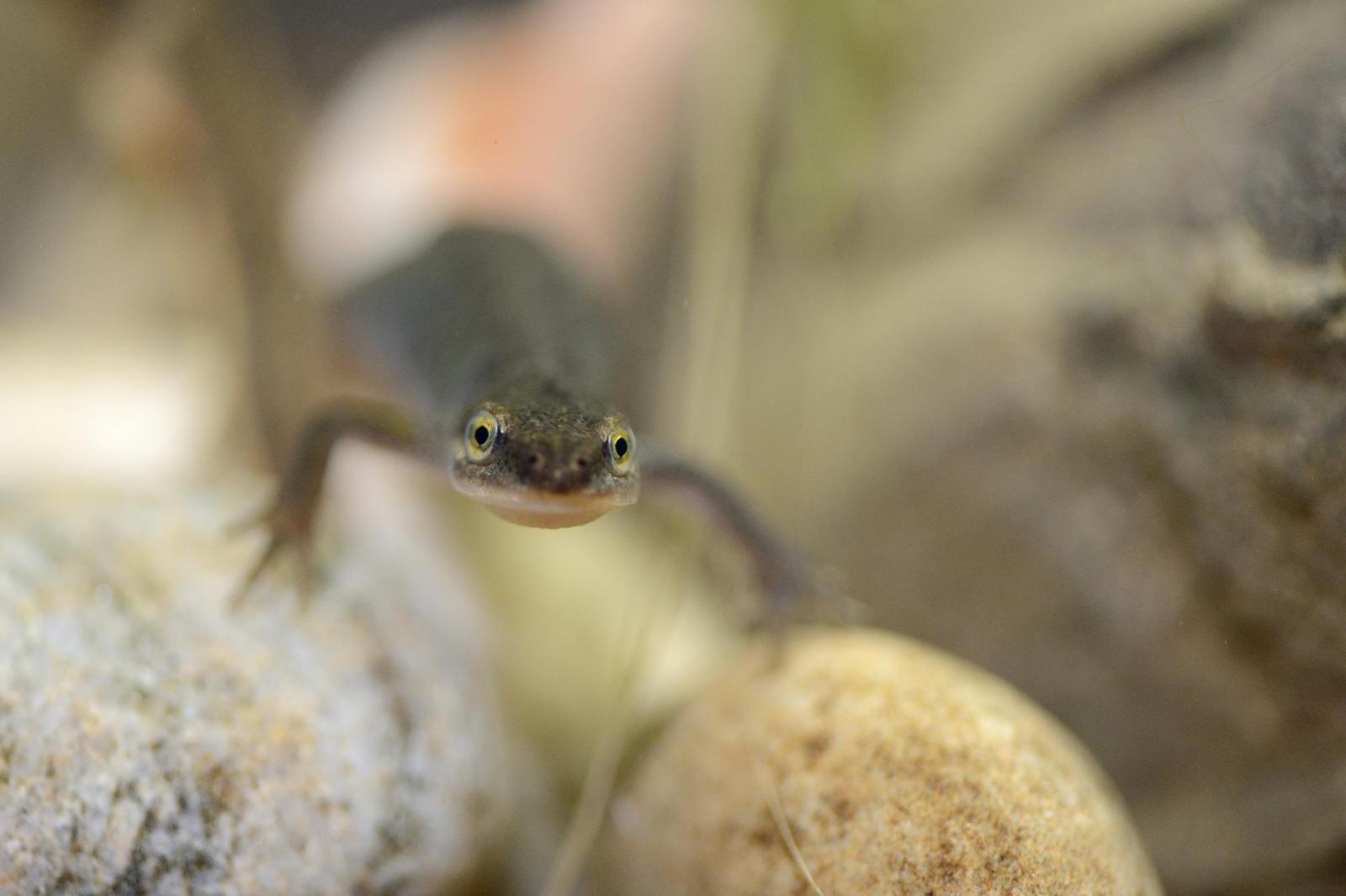
As well as frogs and toads a pond can attract newts, dragonflies, birds and more. Even using an old washing up bowl of water or a deep saucer of water on a windowsill can help. Add twigs or stones for somewhere insects can rest above water. A prolonged freeze can mean problems for fish and hibernating frogs and newts. Now's a great time to remove debris and float a tennis ball on the surface to prevent it freezing over.
6. Volunteer for nature
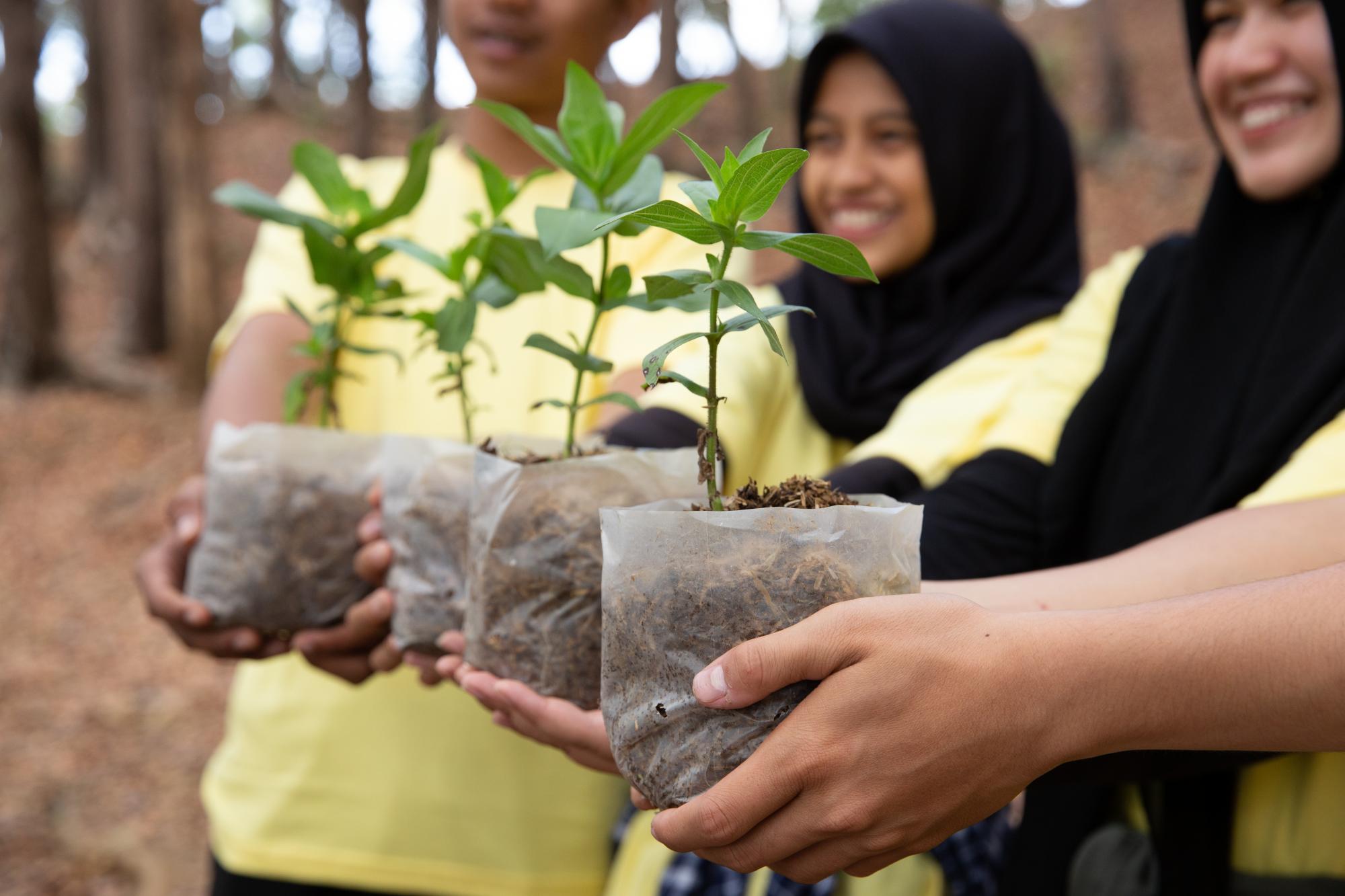
A fun way to make a difference, meet new friends and get outdoors. Find out about our volunteering opportunities, or search on the Volunteer Scotland website. Take inspiration from projects helping communities manage their local green spaces or start your own.
7. Feed the locals
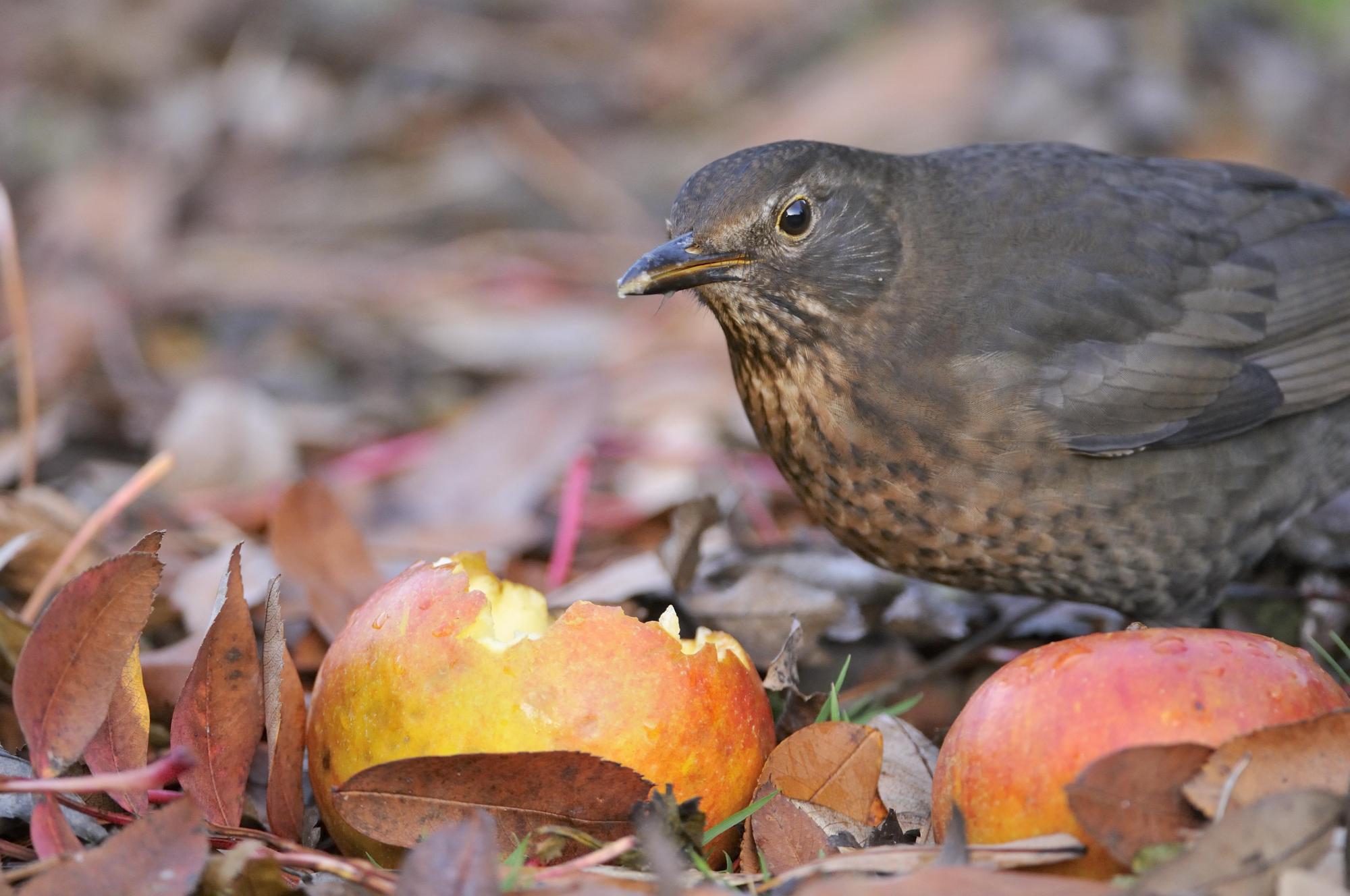
Overly-soft fruit can be left out for badgers, foxes and birds. Cut the fruit in half and spike it on a tree branch. If there are fruit trees or hedges in your local greenspace, leave the fallen fruit or berries, and watch the local wildlife lap it up. If supply is plentiful try a bit of responsible foraging.
8. Make a difference
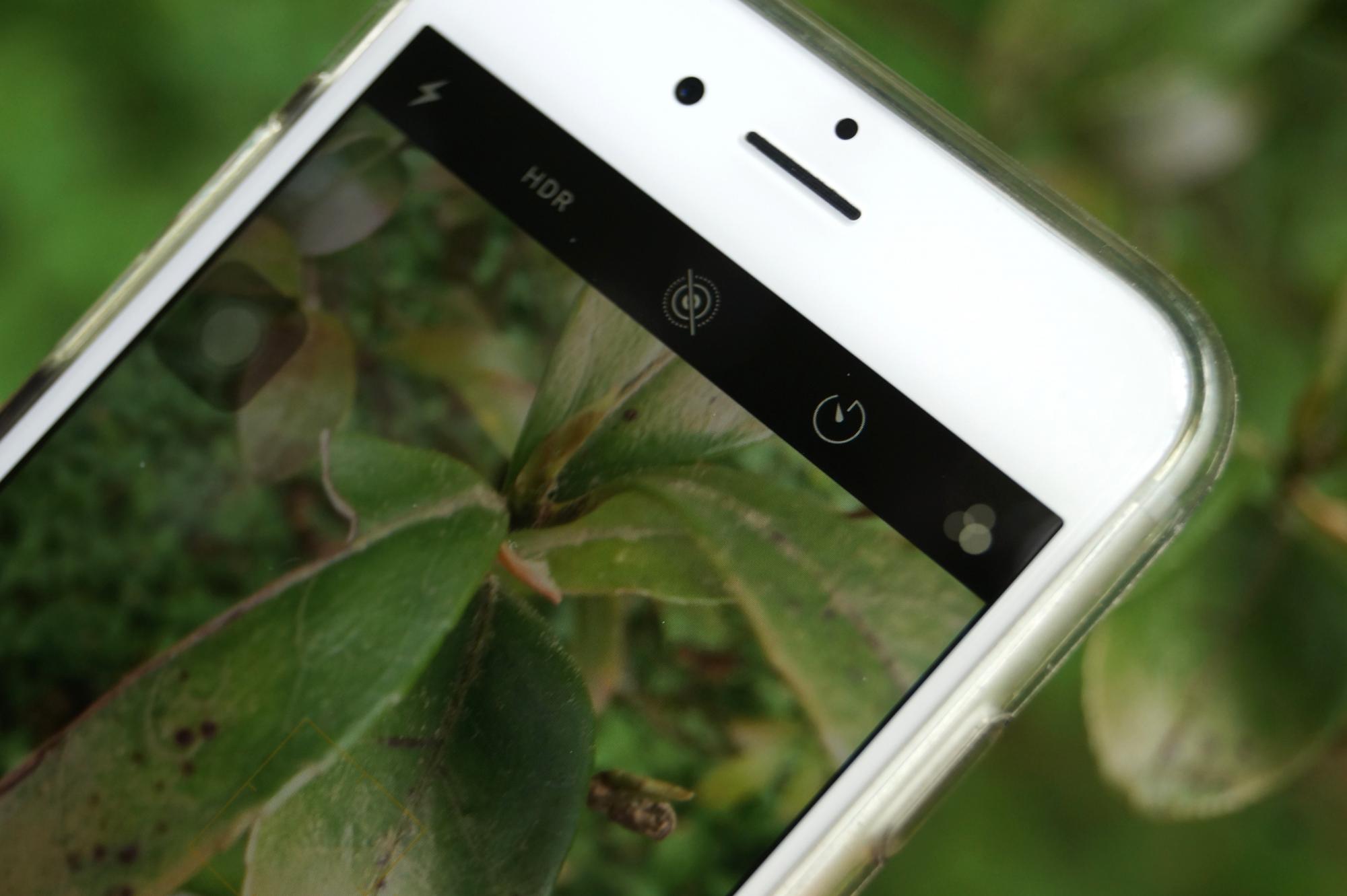
Submit sightings of birds, frogs, plants and more, or report invasive non-native species. It's easy and fun, and many surveys can be completed via your smartphone. It really makes a difference to both nature and to your own wellbeing. Be inspired by our list of options.
9. Learn outdoors
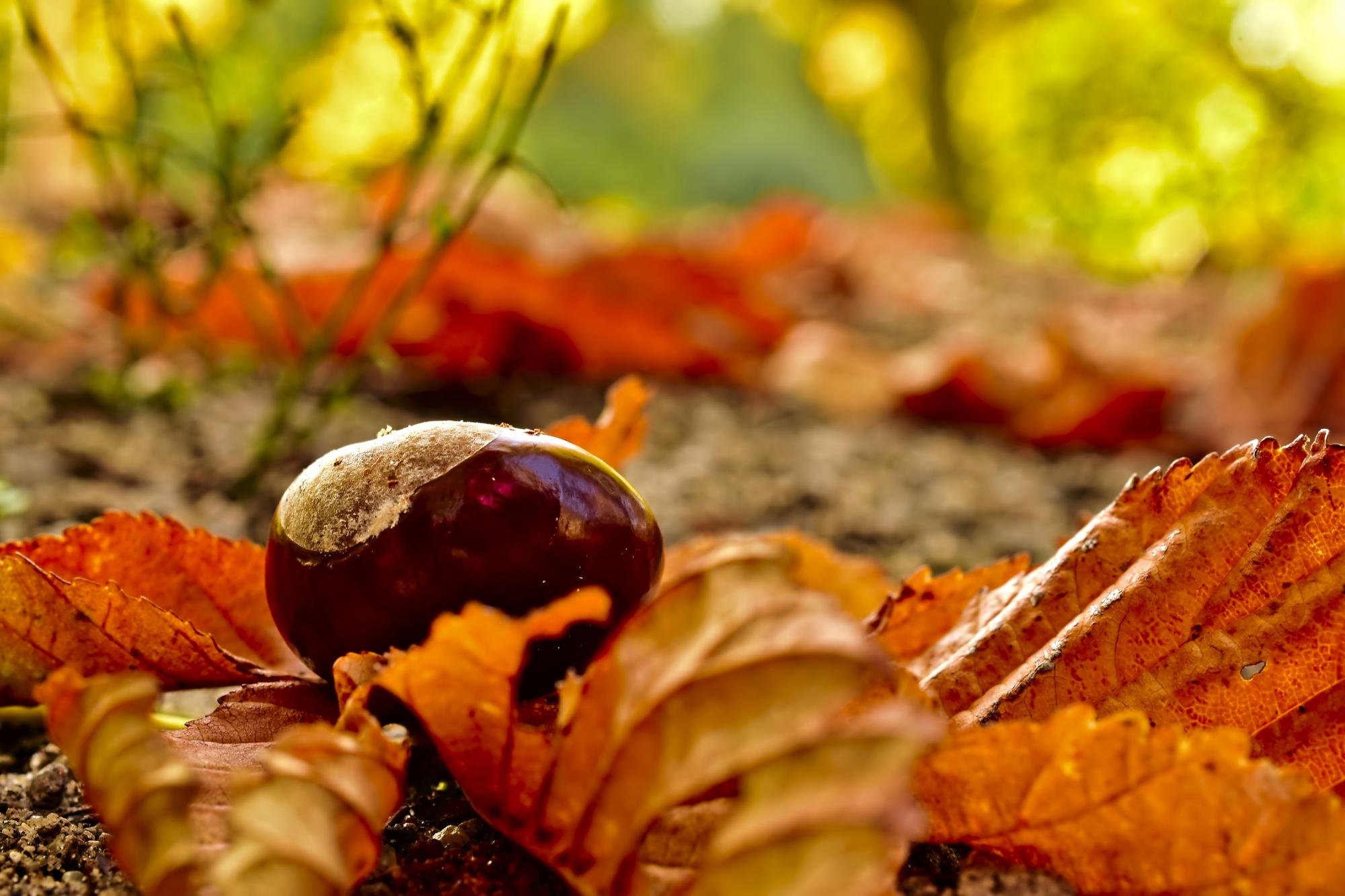
Autumn is great for getting outdoors. Try a nature hunt, collect leaves or conkers for artwork, make a bug hotel, or simply look out the window to take in the changing season. Download plant or bird ID apps to help learning.
10. Go local
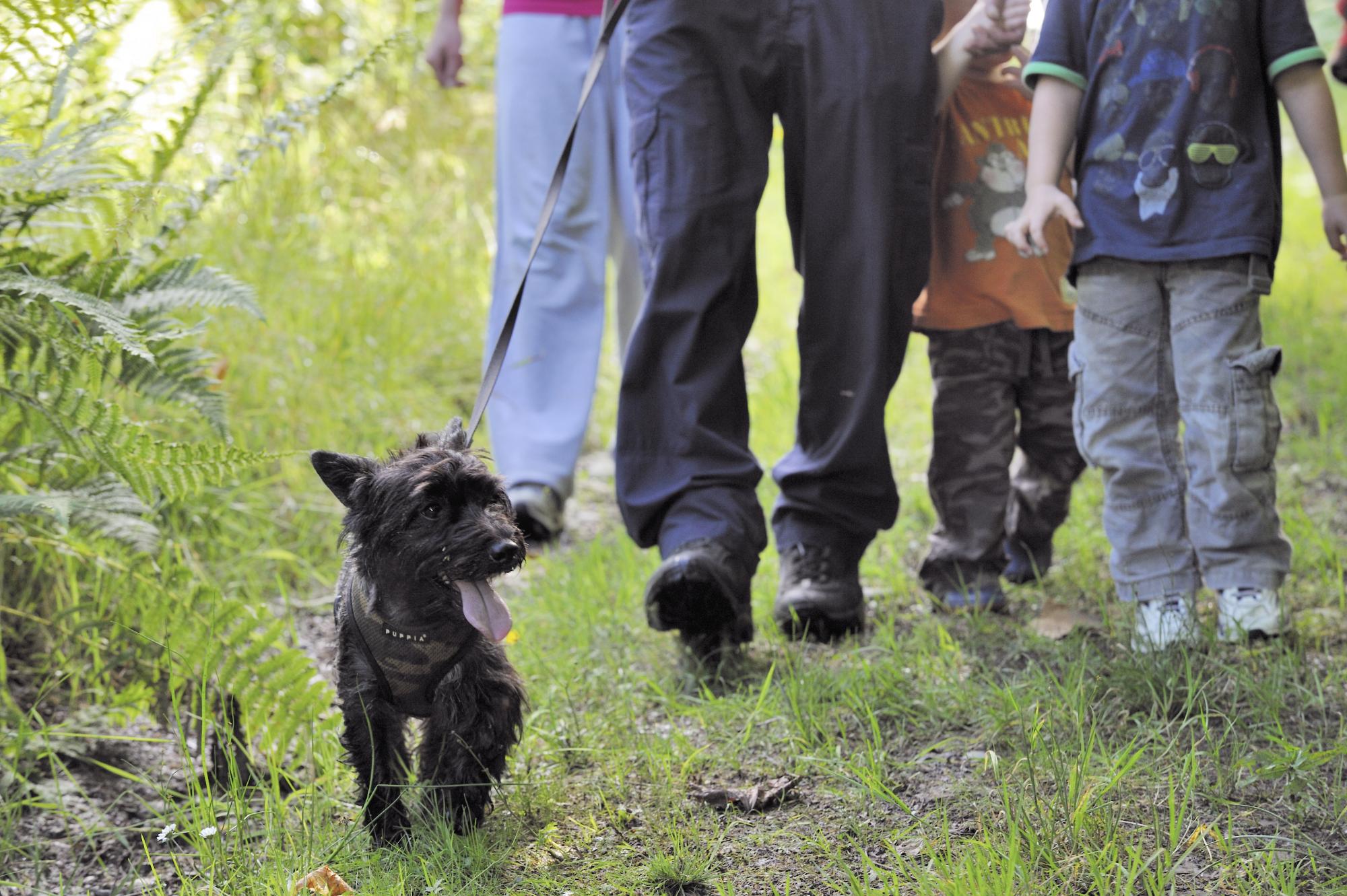
There are so many walks, paths and parks on our doorstep. Greenspaces can be great for taking a breather, walking dogs, enjoying family time, and learning. There's plenty of wildlife to see. Stop, listen and enjoy a mindful minute.
11. It's good for you
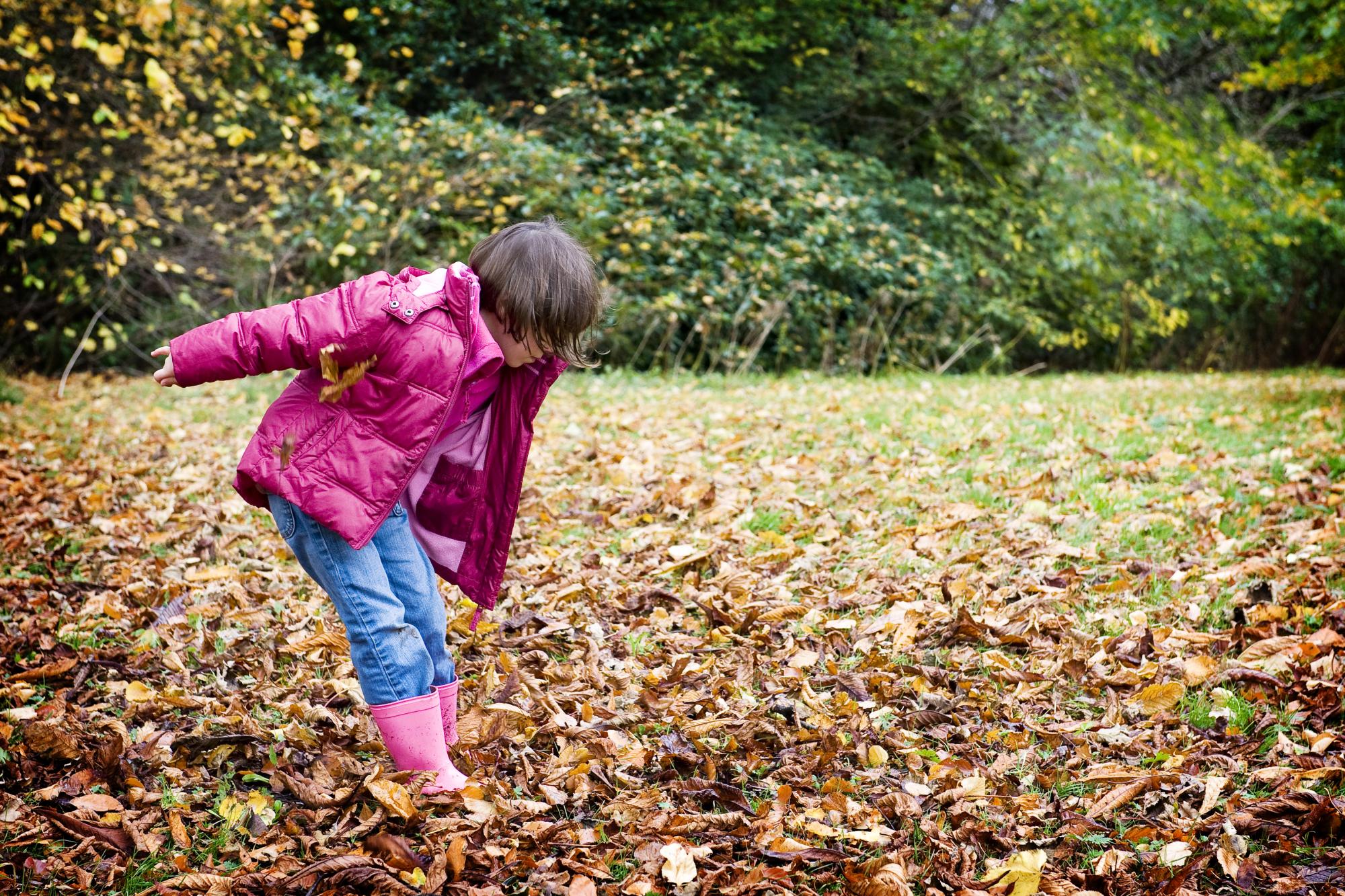
Many of us report health and wellbeing benefits after spending time outdoors. We de-stress, relax and unwind, feel energised and revitalised, and our physical health is improved. By protecting nature, nature protects us.