Leugh ann an Gàidhlig / Read in Gaelic
Since 1994 we’ve lost 15% of our wildlife in Scotland, but more than half of us want to do more to help nature. Spring is a wonderful season to put these intentions into action and build an appreciation of the natural world into daily life.
Taking collective action will help reverse nature loss and fight climate change, ensuring a healthier and greener Scotland. Follow our top ten tips below, tune into our podcast series or find out more about our campaign to Make Space For Nature.
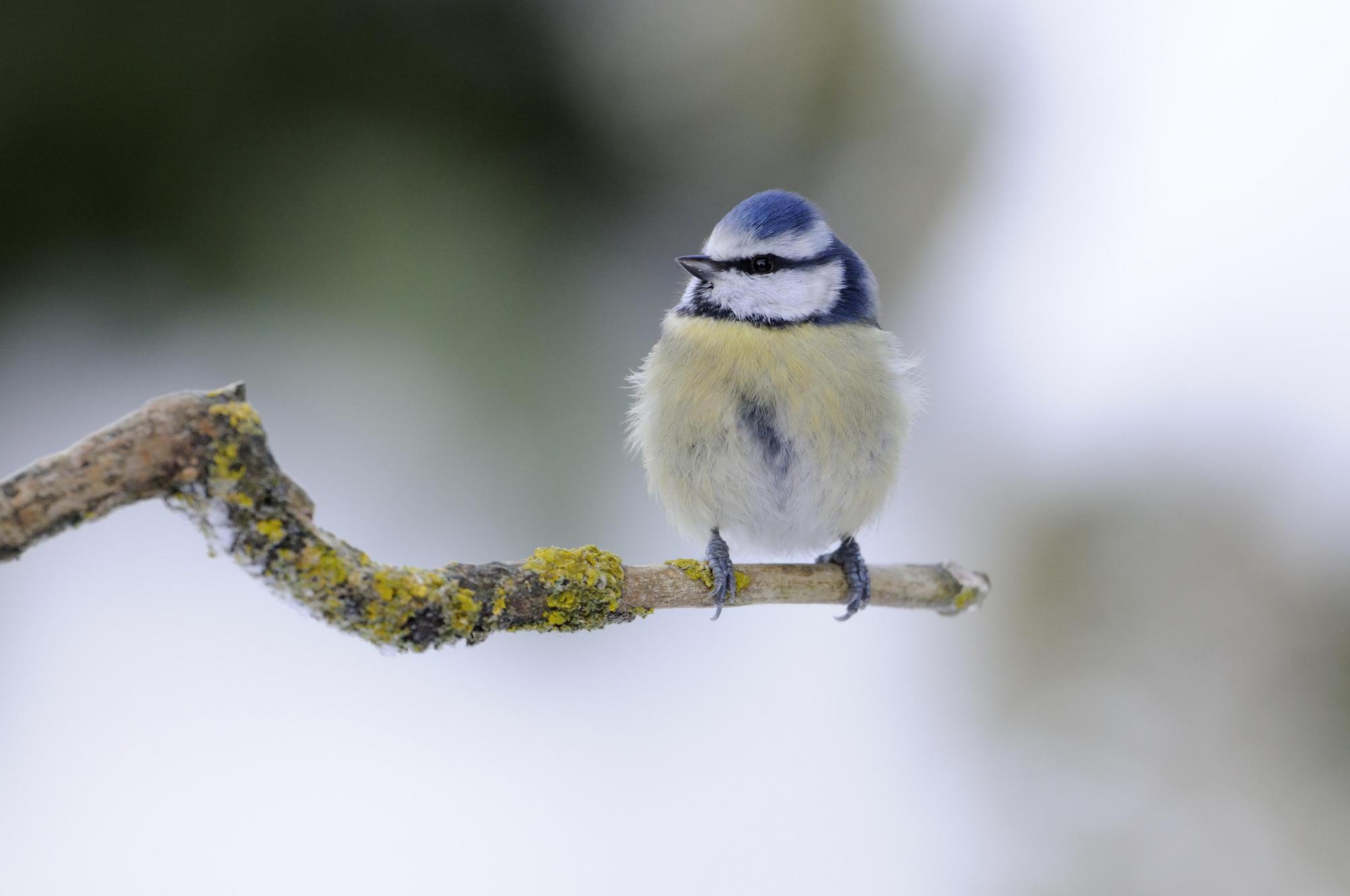
1. Help our feathered friends
Birds are busy building the perfect homes for their chicks. Help them out by leaving natural nest-building debris such as twigs and moss lying around, and not pruning bushes containing nests. You may have space for a bird nest box, and window bird feeders are great for those with limited space. Once you have birds in your nest boxes, it's important not to disturb them.
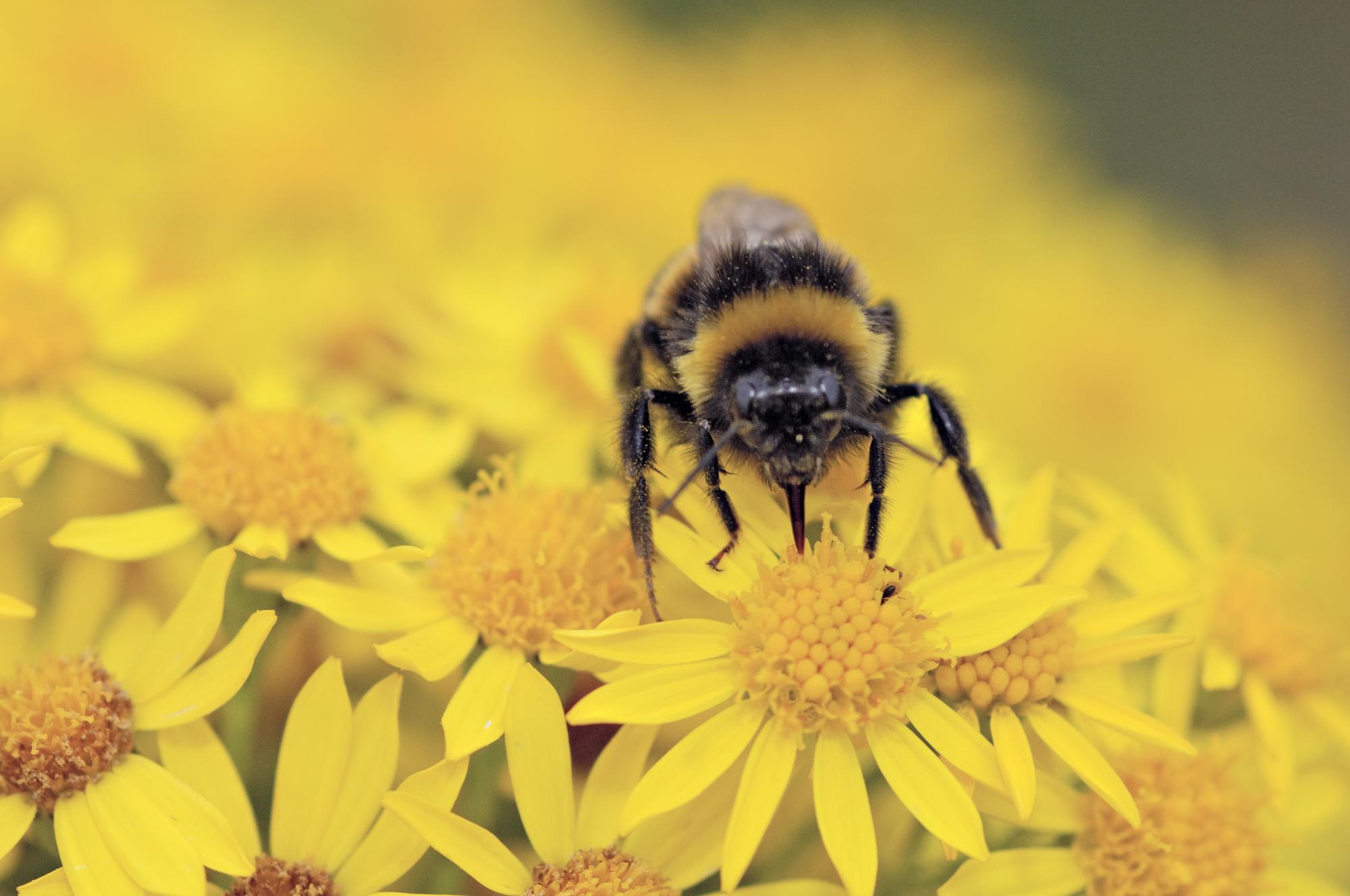
2. Keep it natural in your space
Whether you have a garden or not, try adding potted plants and window boxes. Leave some areas wild, and if you have a lawn hold off cutting grass until late spring. Help alleviate flooding by avoiding artificial grass, paving or decking, and encourage others to do the same. Reduce hosepipe use - capture and store rainwater in water butts to ensure a sufficient water supply.
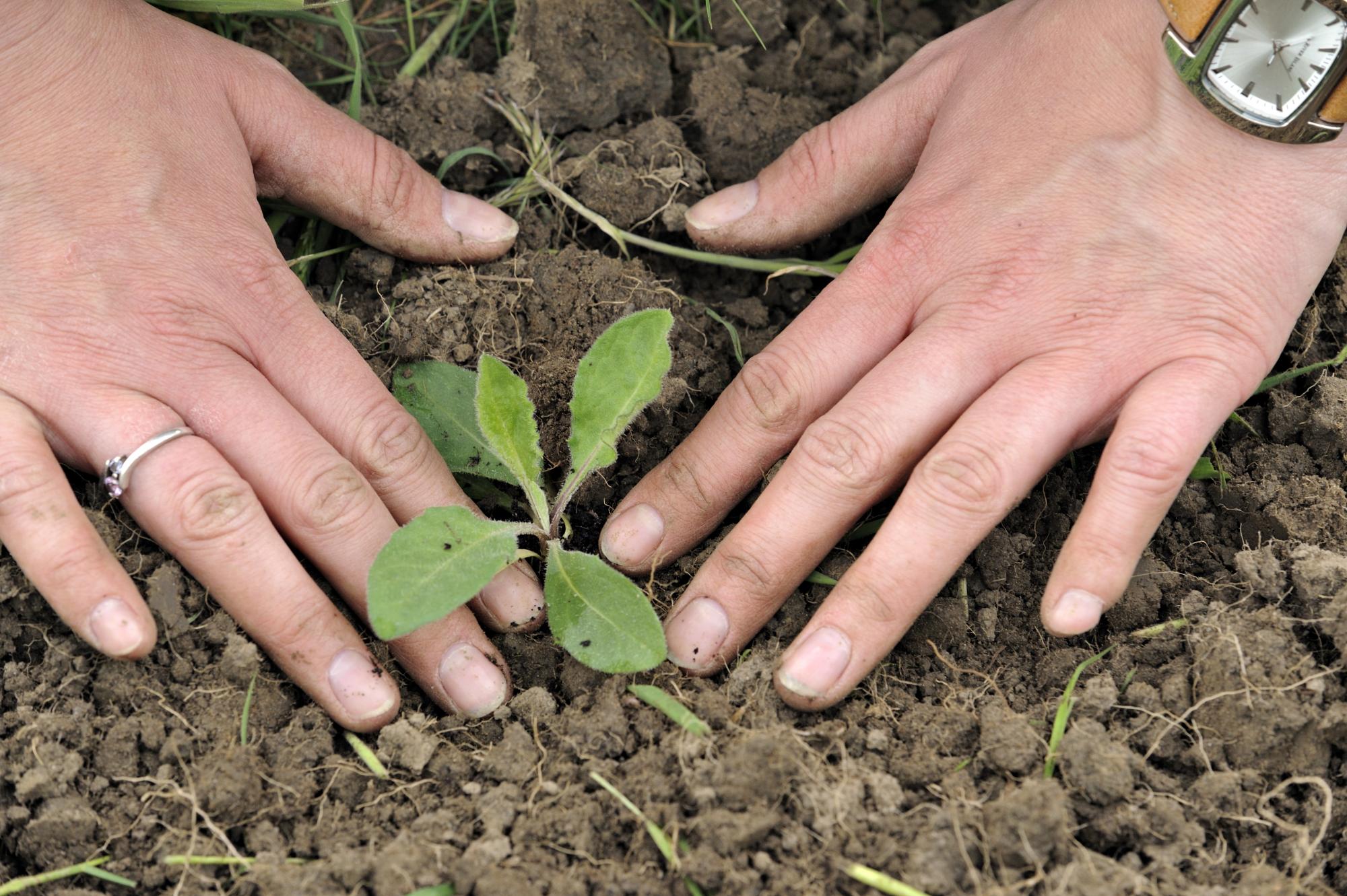
3. Go peat-free
Digging up peat to use in a garden destroys wildlife and releases carbon into the atmosphere, accelerating climate change and increasing flooding in areas where it's dug up. Help conserve Scotland’s most vital carbon store by using peat-free gardening products. Simply check packets to ensure they're peat-free.
9. Provide water for wildlife
Frogs, toads and newts all wake-up from hibernation in the spring to search for homes and mates, and they thrive in garden ponds. As well as amphibians, a pond can attract insects such as dragonflies, birds and many more species, for drinking, resting and bathing. If a pond isn't possible, you can provide fresh water daily by using an old washing up bowl of water, or a deep saucer of water on a windowsill.
10. Keep it fresh
Feeding birds is most beneficial between autumn and spring when natural food can be scarce, but try not to put out excessive amounts. Avoid seeds and peanuts in spring as they can be a choking hazard for chicks - mealworms are a good choice. Move feeders around to prevent waste build-up, clean them every few days, and if putting out water keep it fresh and give bowls and bird baths a regular clean.