
14 ways to help nature this summer
Leugh ann an Gàidhlig / Read in Gaelic
Connecting with nature brings happiness, improves our well-being, and inspires us to protect wildlife. Given the urgency of climate change and nature loss, this bond is vital for meaningful change.
This summer, commit to making space for nature each week: pick practical actions from the list below, or make up your own. Listen to birds, smell flowers, photograph insects, practise mindfulness or listen to our podcasts outside. Engaging with nature brings us closer to it — and closer to protecting it.
1. Go natural
Help alleviate flooding by not using artificial grass, paving or decking. Artificial grass blocks access to soil for insects and birds, has no climate benefits and isn't actually maintenance-free. Make the best use of rainwater and reduce hosepipe use by capturing and storing rain in water butts - use it for washing cars, bikes, or external bins too.
2. Create corridors
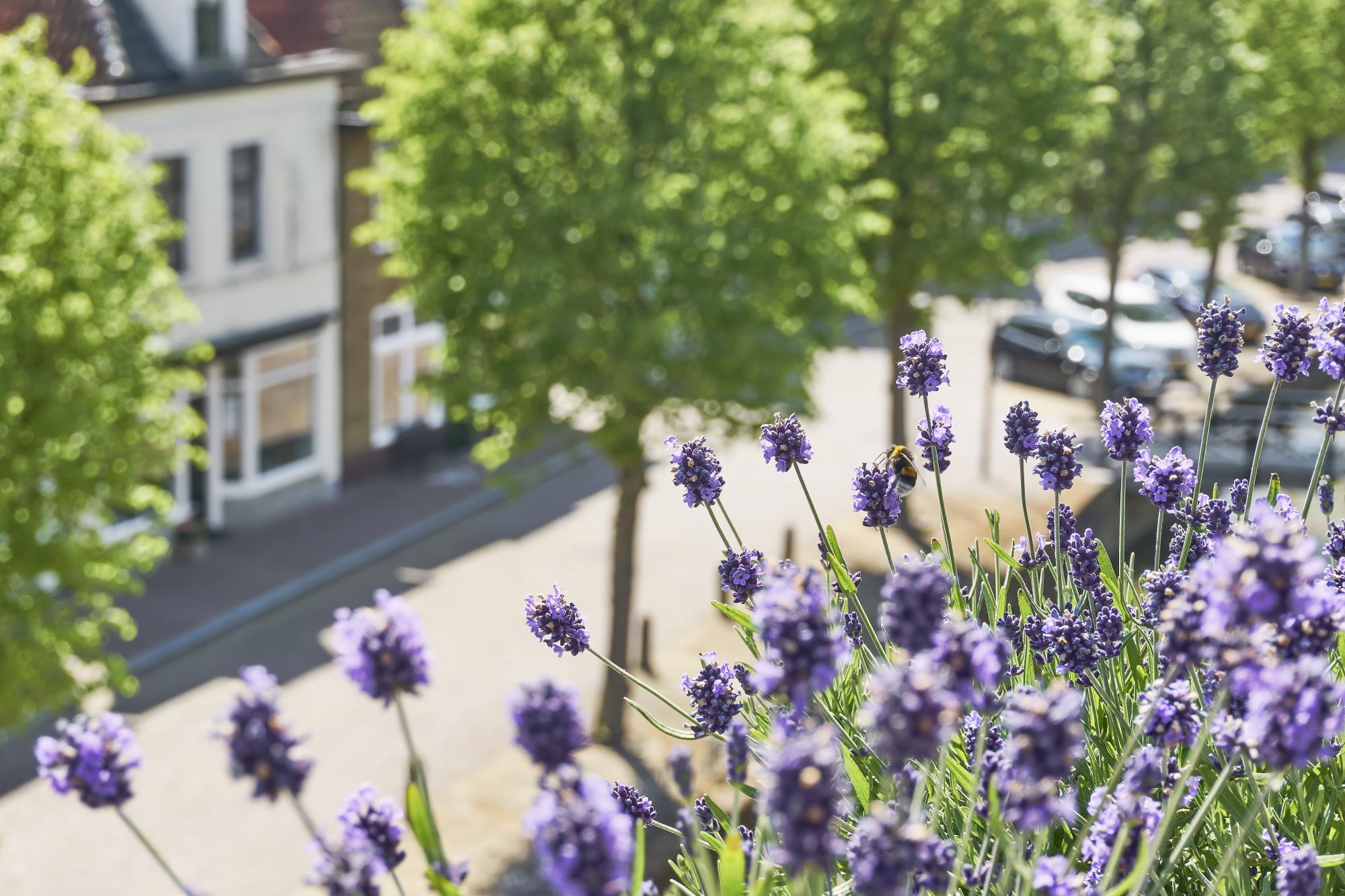
Add flowerpots or window boxes to attract bees, butterflies and other pollinators. If you have a garden, reduce mowing to create a wildflower patch, or encourage your council to do the same in local parks. These connected green spaces help wildlife move through towns and cities, which matters more as our climate changes.
4. Start small
Many plants do well in containers such as window boxes, pots and hanging baskets. Herbs such as lavender, rosemary, sage and thyme are popular with pollinators, and brighten up any space!
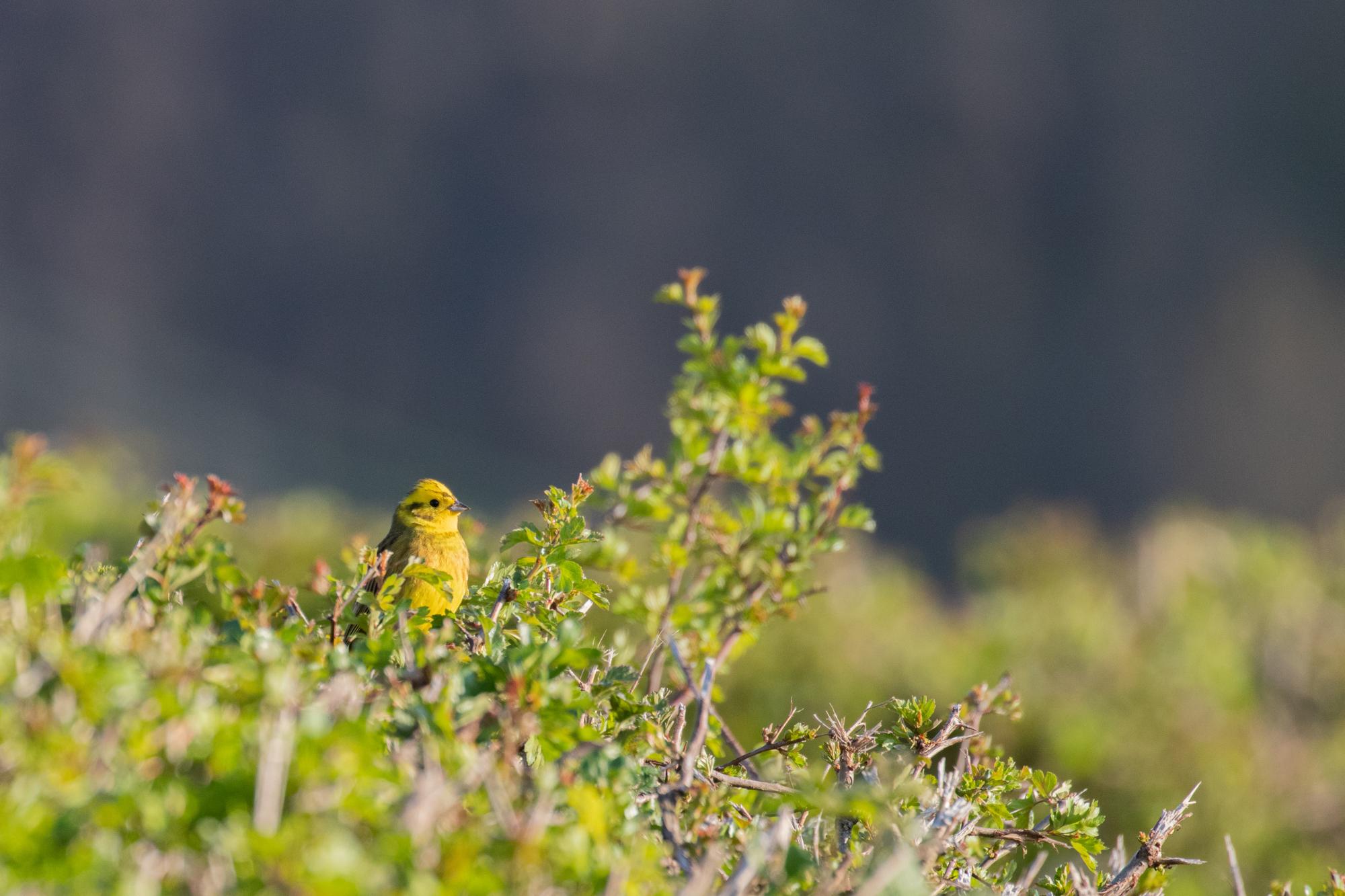
5. Hedge not fence
Hedgerows offer a habitat that fences can't match. Plant flowering trees and shrubs such as hazel, willow, blackthorn and hawthorn - these also allow wildlife to move through gardens.
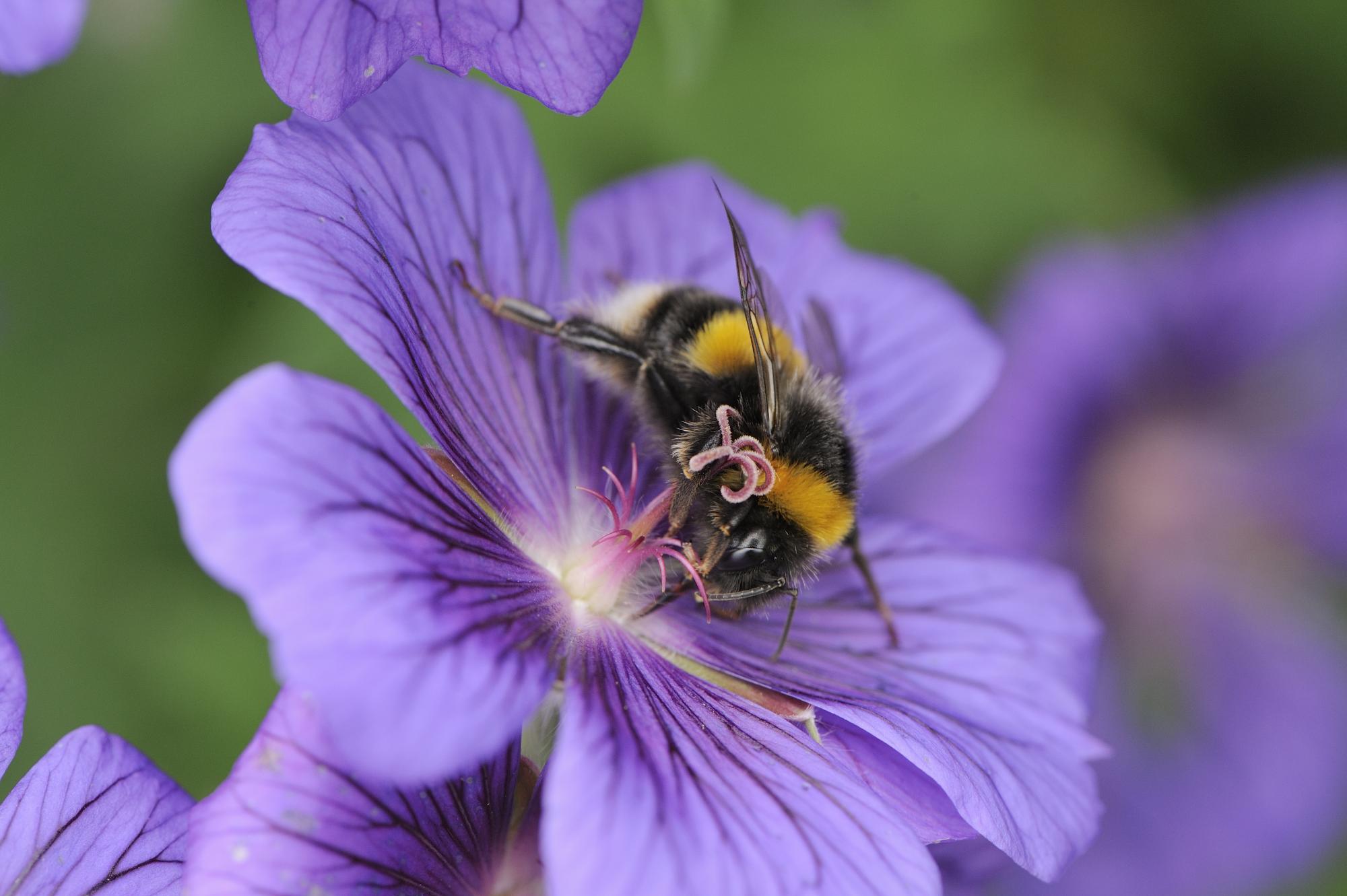
6. Share cuttings
Plants and seeds can be expensive, but for many pollinator-friendly species, existing plants can be divided or new plants grown from cuttings and shared with friends and neighbours.
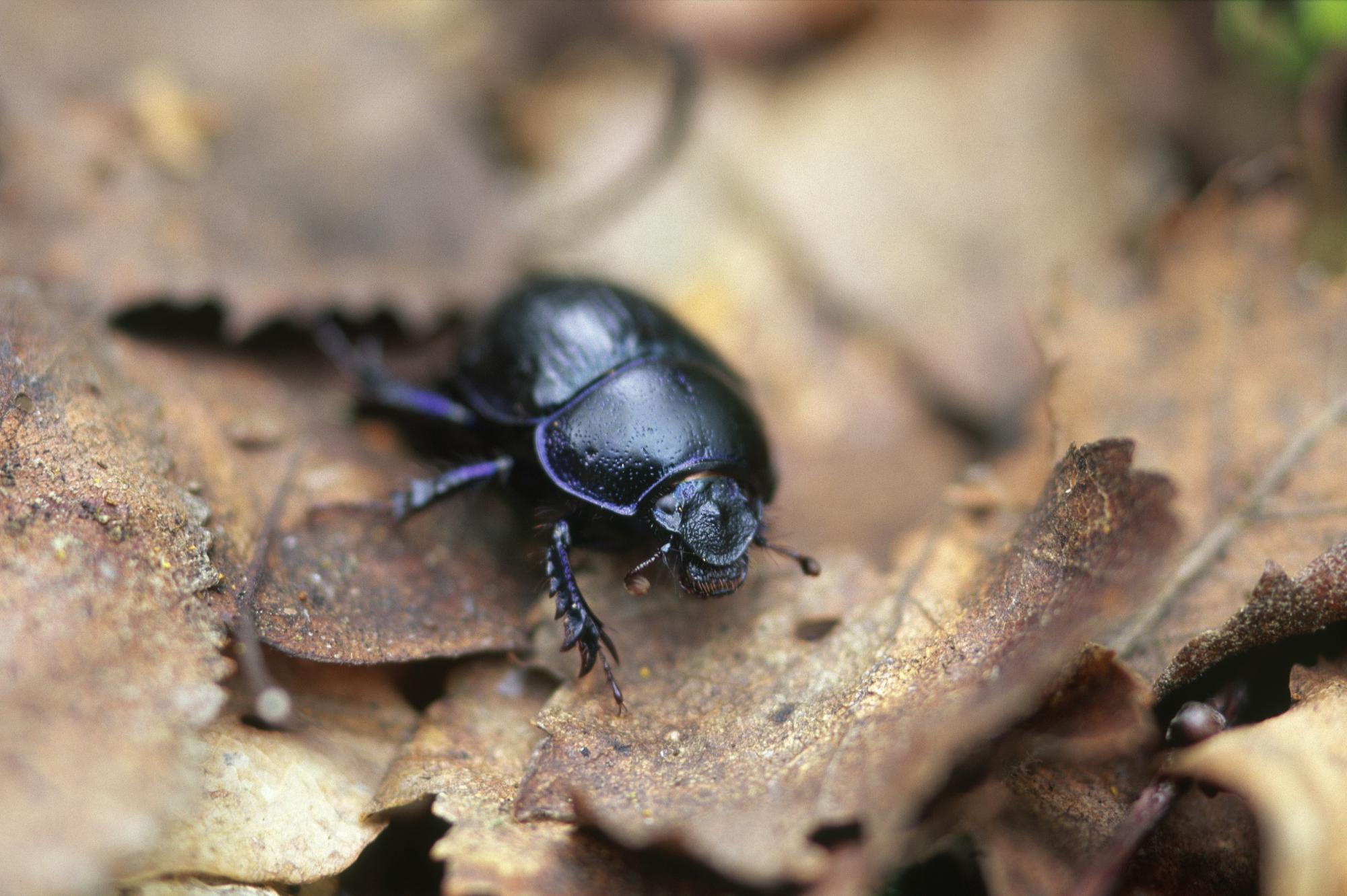
7. Be a lazy gardener
Allow vegetation to die back naturally — leave twigs, leaves and natural debris as shelter for insects and other wildlife. Leave seedheads too, as they provide food for birds and insect homes over winter.
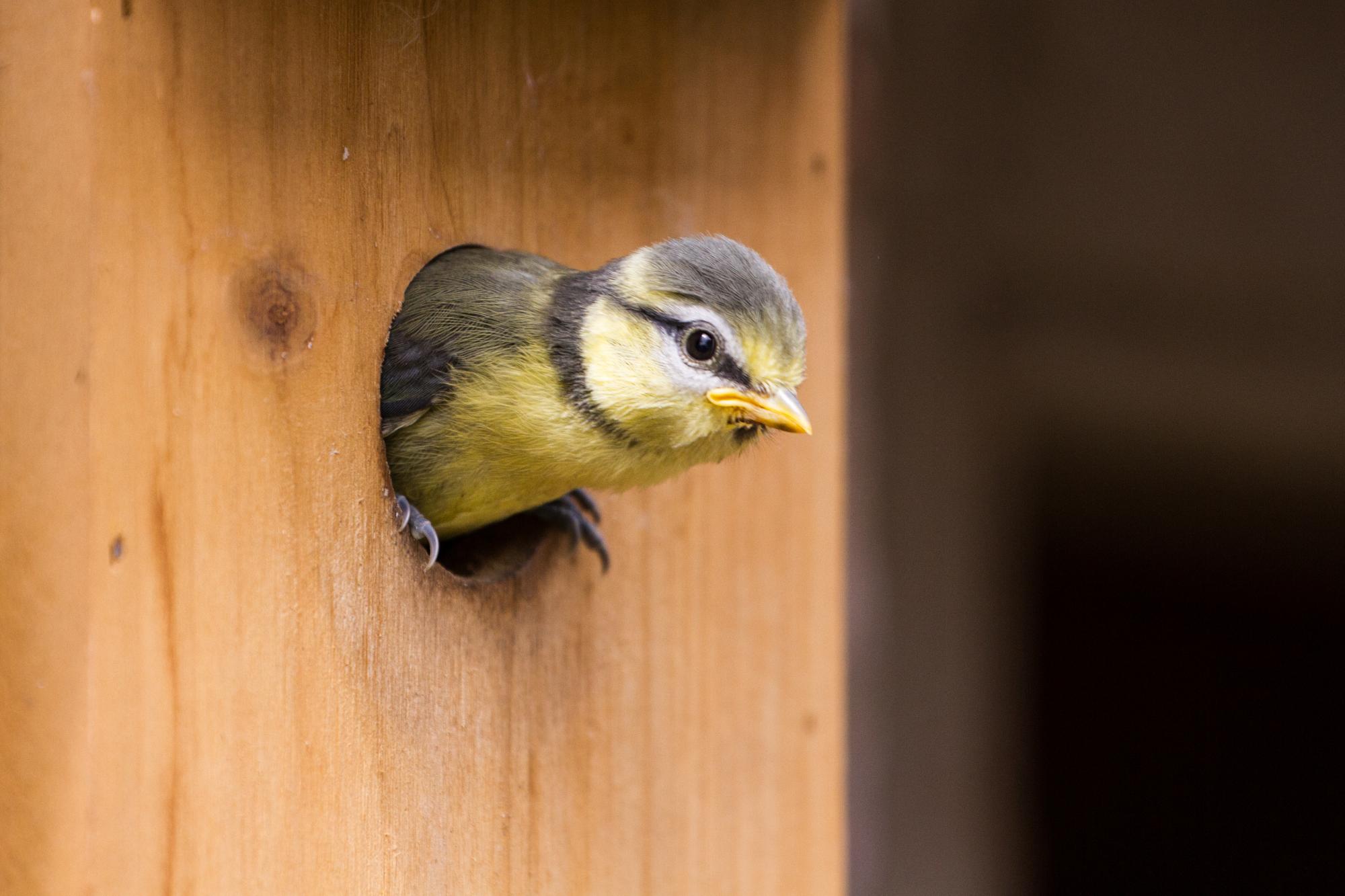
8. Freshen it up
Between May and October, pause filling feeders with seeds and peanuts and offer only small amounts of mealworms or fatballs. Move feeders to a different spot each week and clean with hot soapy water regularly. Provide bird-friendly flowers for natural food sources. Change bird bath water daily and keep baths clean. Window feeders are a great way to observe local birds if you don't have a garden.
9. Feed the soil
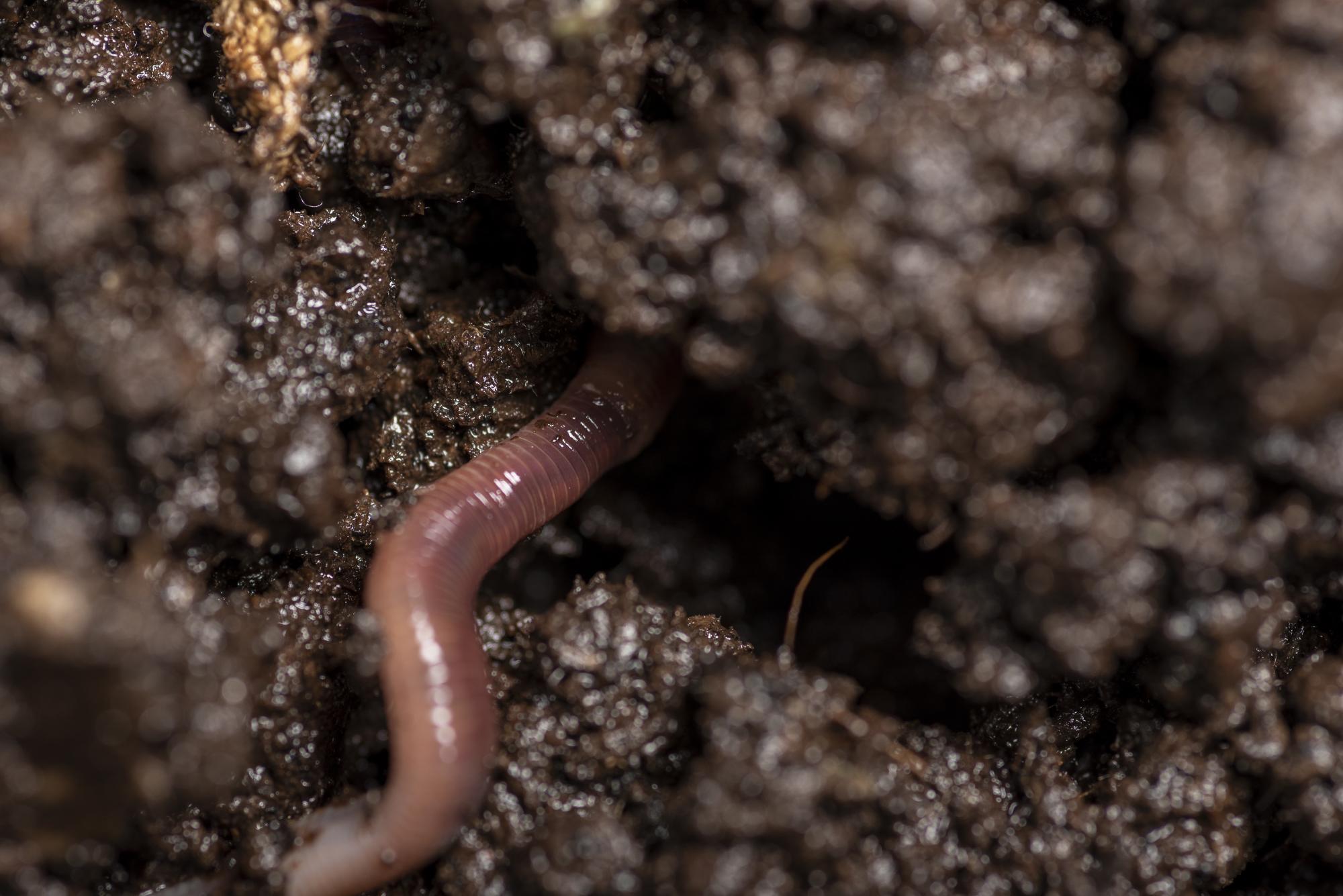
63% of the total carbon locked in our soil is found in our peatlands - help conserve them by using only peat-free garden products. Use local farmyard manures and composts, or make your own. Avoid pesticides – great alternatives are available. Take a closer look, observe the wee beasties helping recycle our waste, control pests, and keep the nutrient cycle running.
10. Litter pick
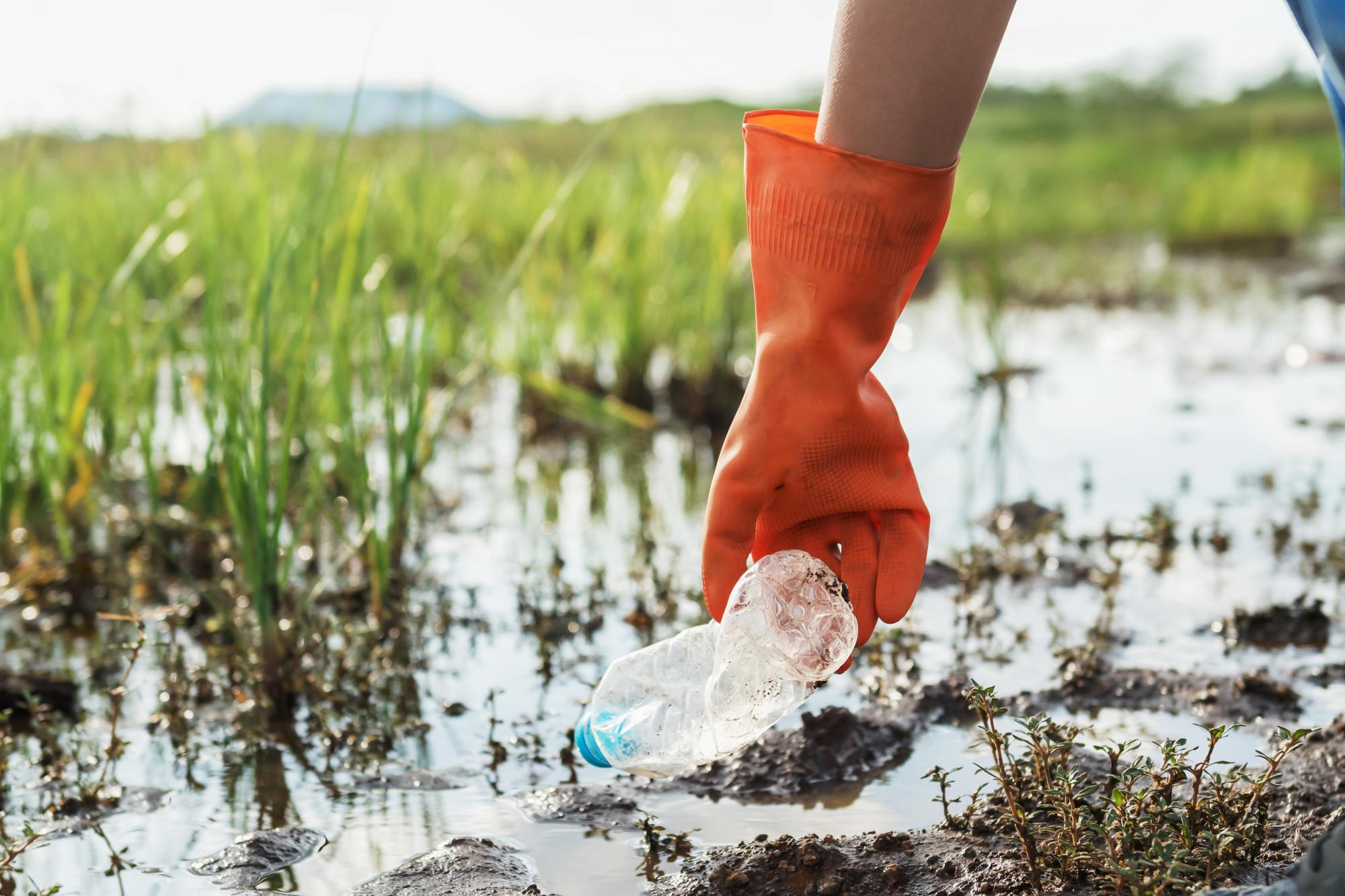
When outdoors take a bag and pair of gloves and, where safe to do so, dispose of litter you find. Whether in our oceans, parks, rivers, or woods, it's dangerous to wildlife - animals get trapped or try to eat it. Much plastic waste doesn’t biodegrade so will stay in our natural environment for years! Get neighbours, friends and family involved and clean up your area.
11. Provide water
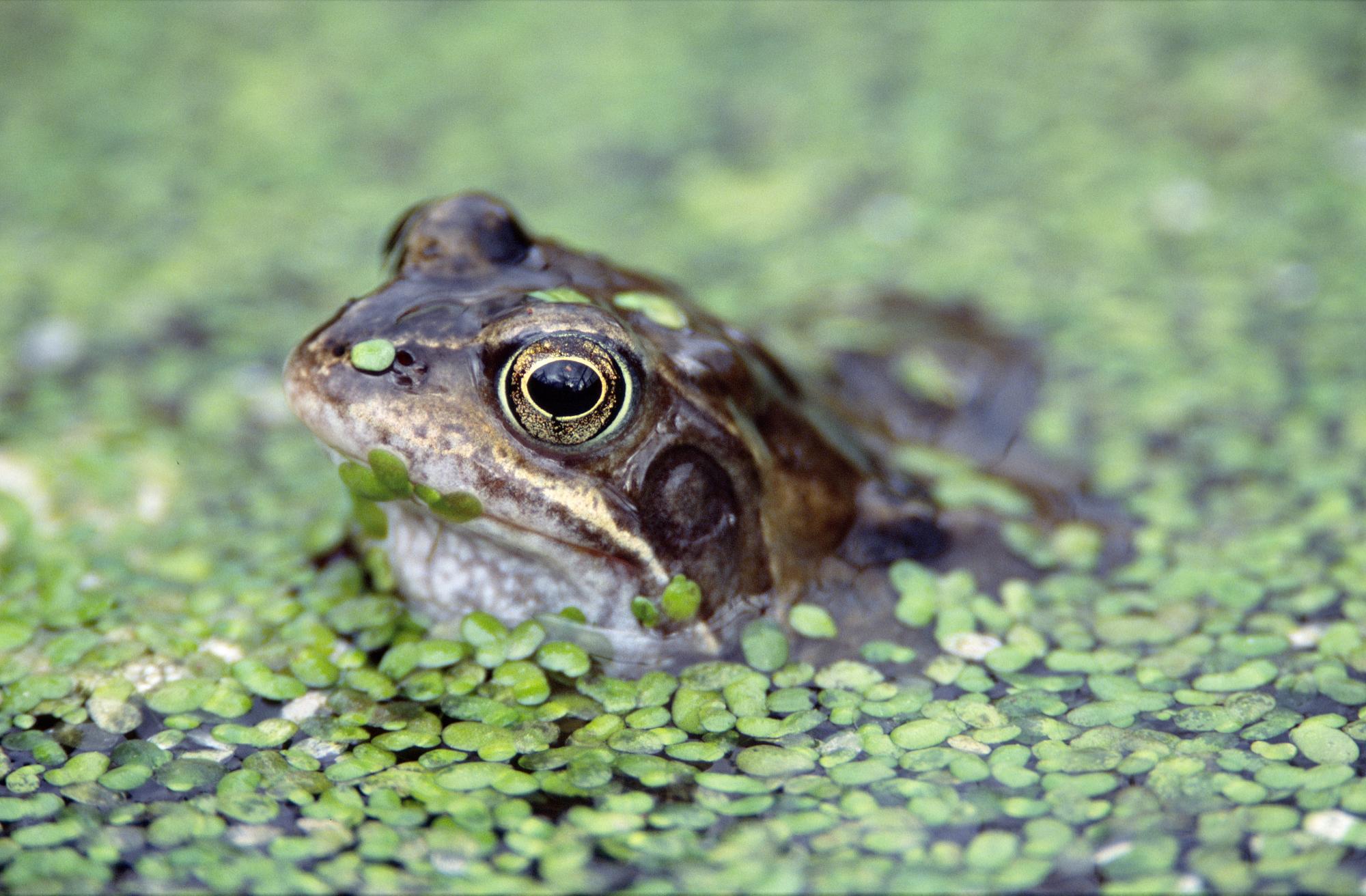
Ponds attract wildlife such as frogs, bees, newts, and birds, and also help manage water in intense rainfall. A pond doesn’t have to be a big outlay, even using a washing up bowl of water or saucer of water on a windowsill can help. Keep it clean, and add twigs or stones so insects can rest above water.
12. Explore underwater
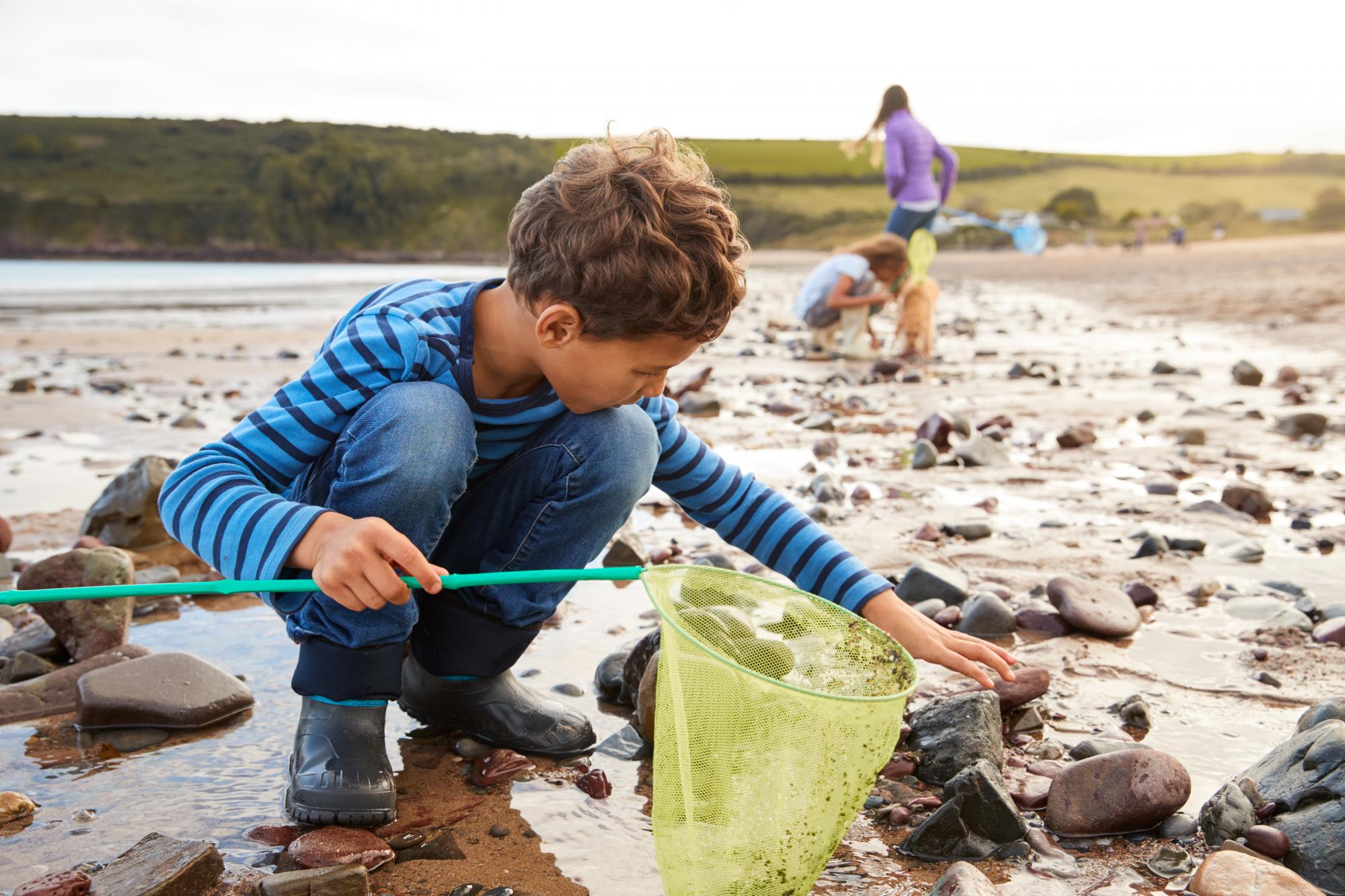
With 41% of Scotland’s population living within 5km of the coast, there’s likely a great rock pooling site near you. Walk or cycle to the water’s edge with your net and buckets and see what you can find hiding between the rocks. Remember to put anything back you find.
13. Be a citizen scientist
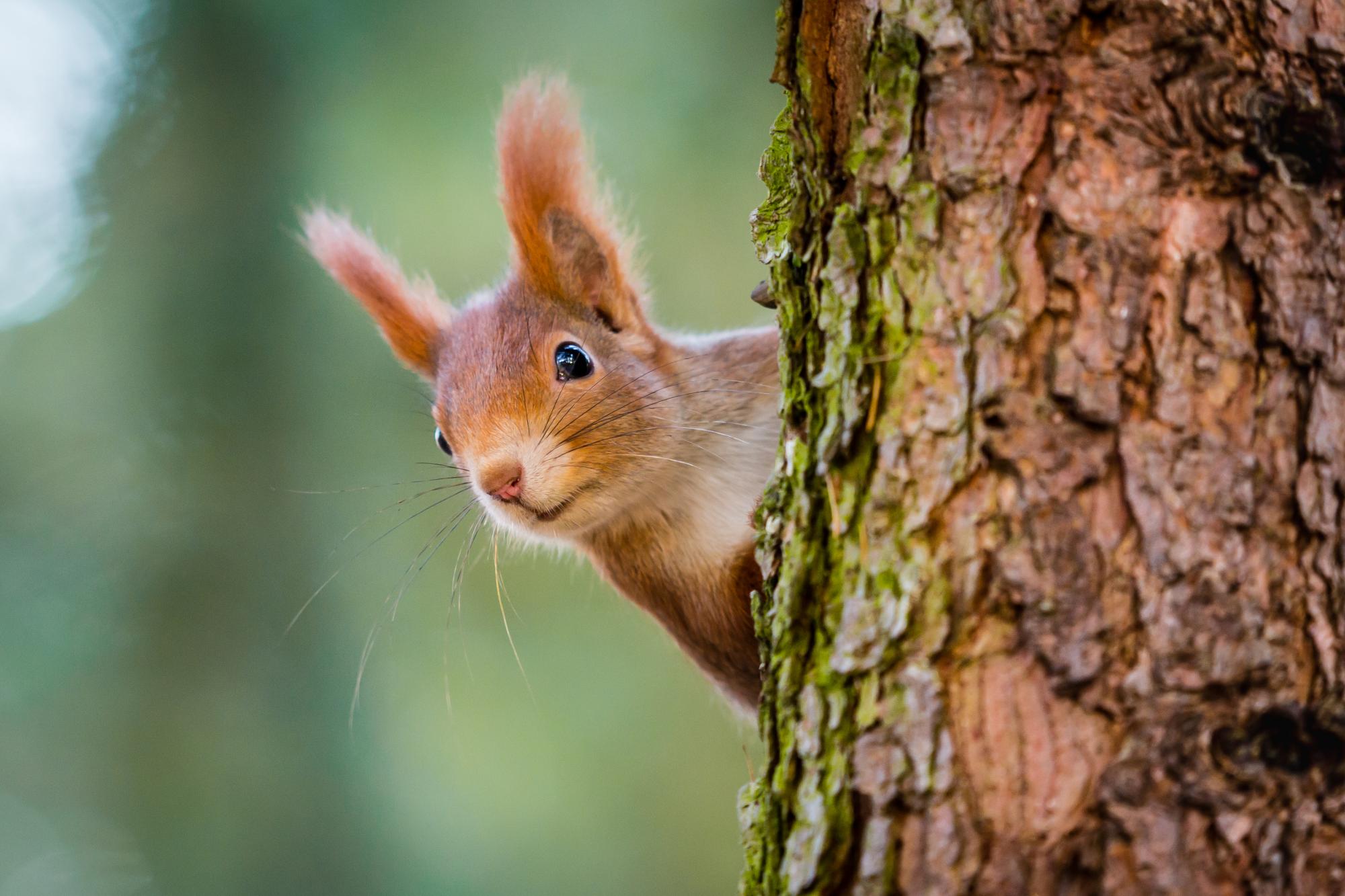
Get involved in this fun way to help your favourite wildlife. Submit sightings of birds, frogs, butterflies and more to let us know where wildlife is (and isn’t) and contribute to biodiversity and climate change research. Find something suitable on our list of projects.
14. Volunteer near and far
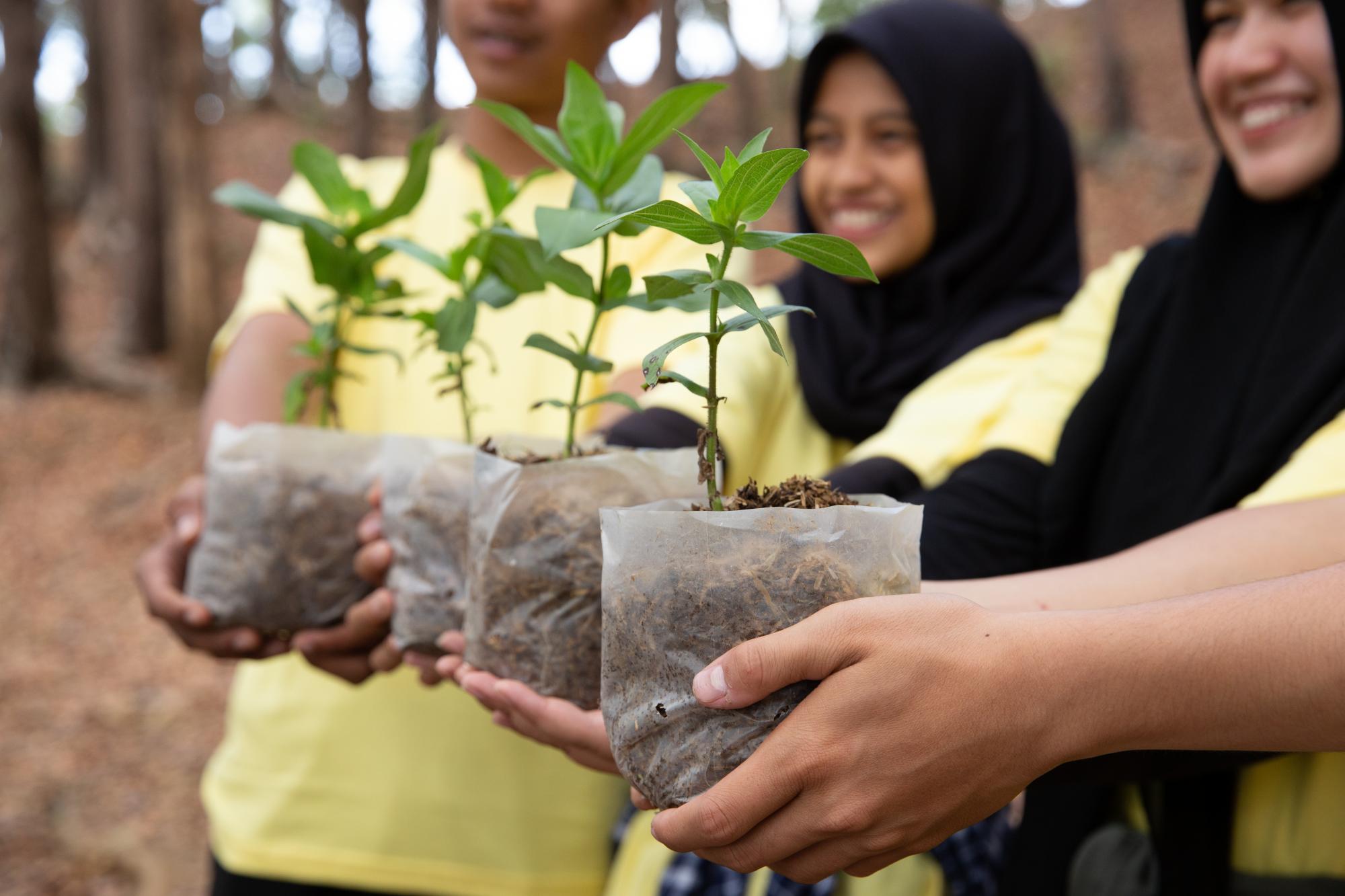
This can be a fun way to make a difference, meet new friends and get outdoors. Find out more about our volunteering opportunities, or search on the Volunteer Scotland website. Take inspiration from projects helping communities manage their local green spaces or start your own.