Scotland's Changing Nature - Atlantic Salmon
Read in Gaelic / Leugh ann an Gàidhlig
The Nature Facts

An early warning system
Wild Atlantic salmon are sensitive to change, acting as an early warning system for problems in the wider ecosystem.

From millions to few
Since the 1970s, the total estimated number of salmon returning to Scottish rivers has declined from around 1 million to 400,000.
Endangered
Atlantic salmon are classified as ‘Endangered’ in Great Britain as a result of a 30-50% decline in British populations since 2006.

Part of Scotland's economy
Salmon are one of the most iconic species of Scotland, contributing significantly to the rural economy through tourism and employment. A Scotland wide economic impact assessment of wild fisheries, including salmon, indicates a value of over £100 million and accounts for 4,300 full-time equivalent jobs.

Impacted by climate change
Wild Atlantic salmon migration, spawning abundance and distribution is being impacted by climate change.
Temperature and trees
River temperatures are increasing as a consequence of climate change. One way to combat this is through planting trees along rivers, but these will take 20 years to grow large enough to provide shade. We need to continue to plant trees along river banks to help our salmon.
King of the fish (rìgh nan iasg)
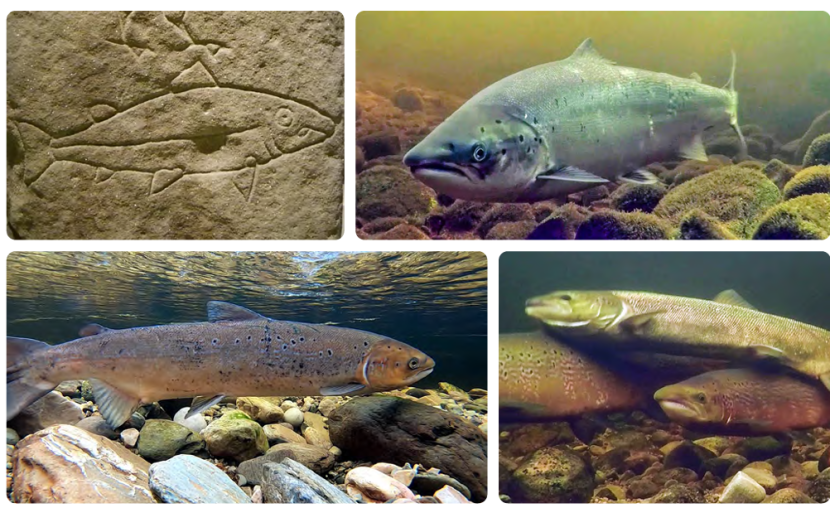
Salmon have always been important in Scottish culture, associated with wisdom, appearing in Pictish carvings and ancient tales of love
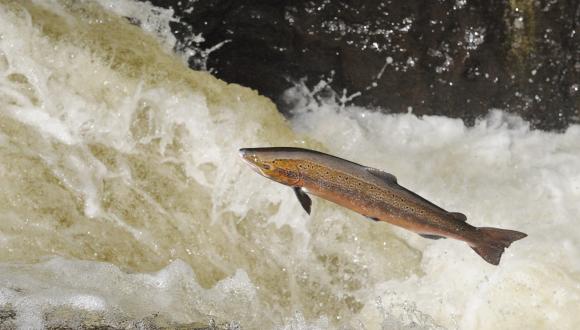
Wild Atlantic Salmon spawn and lay eggs in Scottish rivers, which will hatch in spring and spend 1-3 years in the river as juveniles. They will then develop into smolts, making their way to the ocean where they will spend 1-3 years at sea, where little is known of their migration pathway or behaviour. They will eventually make their way back to the river where they were born, with amazing accuracy.
These remarkable fish support a wide diversity of species and are sensitive to change, acting as an early warning for problems within the wider ecosystem. They are a food source for mammals, like otters and fish eating birds. Salmon are one of the most iconic species in Scotland, contributing significantly to the rural economy through tourism and employment.
Since the 1970s, the total estimated number of salmon returning to Scottish rivers has declined from around 1 million to 400,000. Atlantic salmon are present in just under 400 river systems in Scotland, encompassing over 200 km2 of river habitat.
A wide range of pressures can affect Atlantic salmon, both in freshwater and in marine environments. Intensive aquaculture, barriers, such as dams and weirs, climate change and predation can all impact Atlantic salmon at sea and in coastal areas. Salmon need rivers to be in a good state from their source to the sea.
Marine survival is key for Atlantic salmon. This is influenced by several factors, including marine predation, marine parasites and disease, by-catch in pelagic fisheries and interactions with commercial salmon fisheries. The influence of climate change is still poorly understood, but it is likely to influence the strength of these factors. Marine heat waves can have an impact as salmon are very sensitive to changes in temperatures.
Atlantic salmon are a protected species and from 2021 to 2024 a programme of barrier removal opened up a further 1400km of catchment in Scotland. Subsequent to historic declines, there have been re-colonisations of various, formerly occupied industrialised rivers, such as the River Clyde in central Scotland.
Threats
A wide range of pressures can affect Atlantic salmon, both in freshwater and marine environments. These have been identified within the Scottish Government’s Scottish Wild Salmon Strategy.
Drought

Drier summers reduce river flow in Autumn impacting salmon migration (October-November). The number of extreme droughts is projected to increase from an average of one every 20 years to one event every 3 years in the near future'
Rainfall

Increasing rain especially during prolonged spells of rain will increase river flow rates, potentially removing refuges for salmon to lay their eggs in during spawning season (November-December).
Water temperature

Salmon are adapted to live in cold water and are very sensitive to changes in river temperatures. Higher temperatures driven by climate change may have a negative impact on salmon.
Barriers/obstacles
Man-made barriers such as dams and weirs can prevent salmon from migrating, which is an essential part of their life cycle.

Disease, parasites and invasive non-natives
Salmon are susceptible to a range of diseases and parasites which can affect their survival. Non-native species such as pink salmon, which have recently increased their rate of colonisation into rivers in Scotland, can out compete native salmon for food and territory.
Water quality
Atlantic salmon need clean, well oxygenated water. They are particularly sensitive to water pollution including discharge from sewage plants, agriculture and forestry.
Sea lice
Salmon farms can lead to elevated levels of sea lice which can affect mortality levels in wild populations.

Marine development
Developments such as marine renewables may have a negative impact on wild salmon due to factors such as noise.
Actions
We need to deliver healthy ecosystems to help salmon survive from source to sea.
Enhancing riverine habitats
Rivers and their habitats can be enhanced through nature based solutions such as tree planting along riverbanks to help shade the water and lower river temperatures. Tree roots can provide cover for fish and the leaf litter can increase the number of invertebrates for food. The shade from trees can decrease river temperatures and the roots can help reduce flooding by retaining rainwater. Managing herbivores, such as wild deer, can help maintain and encourage growth of trees alongside riverbanks. Restoring peatlands can aid the recovery of salmon habitats by increasing water quality and reduce particulate organic carbon.

Barrier removal
Removing barriers, including historic barriers and those supporting hydropower, public water supply and distilleries, will improve the passage of salmon. Installing fish passes with easy to find entrances can help salmon move up and down rivers.
Cleaning our waters
Improving the sewage discharge from treatment works and identifying actions to improve forestry activities will help prevent deterioration of water bodies.
Invasive non-natives
Our river systems and the wild salmon which depend on them can be supported by controlling invasive non-native plants and animals.
Research and international cooperation
Ocean threats require international cooperation through the North Atlantic Salmon Conservation Organisation (NASCO). There is still a lot we don’t know about wild salmon, particularly in the marine environment. Developing and undertaking a coordinated approach to understanding the potential impacts of climate change and activities such as marine renewable developments helps us identify what actions we need to take. Protecting and enhancing marine biodiversity through Marine Protected Areas, and achieving and maintaining Good Environmental Status helps both the salmon and the wider marine ecosystem.
Changing Scotland's Nature
Delivering actions for wild salmon helps deliver healthy ecosystems which benefits us and other species.
Green jobs
Planting trees, monitoring salmon populations, restoring peatland, all of these actions will create jobs restoring and maintaining Scotland’s landscape.
Rural Economy
Wild Atlantic salmon contribute significantly to the rural economy through tourism and employment. Without action these industries will suffer as will Scotland’s economy.
Culture
Wild Atlantic salmon are possibly the most iconic of Scotland’s species. We must ensure the safety of this species by restoring Scotland’s rivers and seas.
Carbon sequestration
Restoring peatland and riverine enhancement will not only restore breeding sites for wild Atlantic Salmon but also restores vital habitats which hold and suck up carbon from the environment, helping to mitigate against climate change.
More than salmon
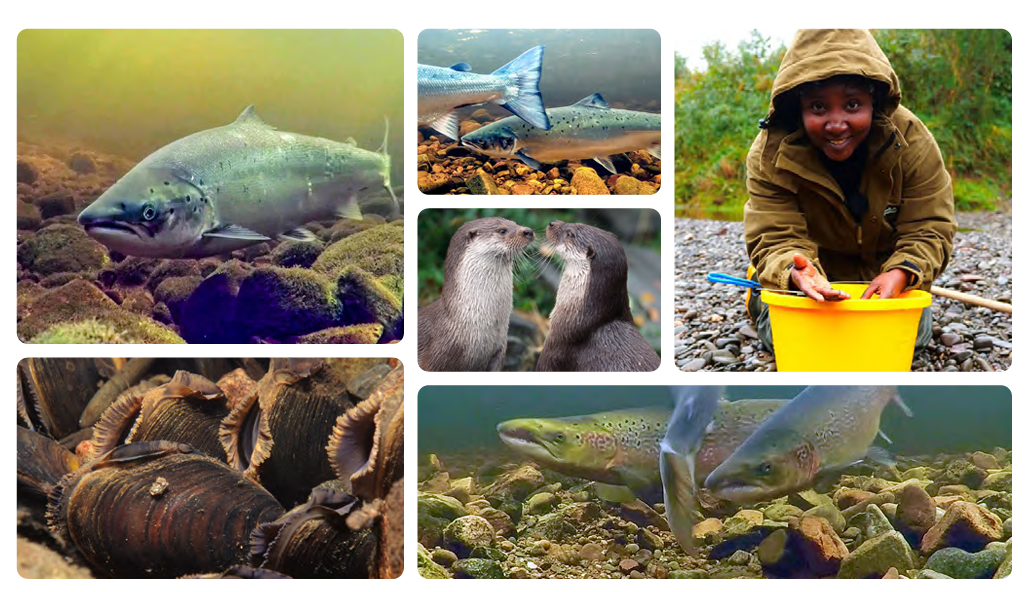
Freshwater pearl mussels, mammals like otters and fish eating birds all rely on wild Atlantic salmon for survival and many other freshwater species will benefit from the actions that will help salmon.
Increasing biodiversity
Restoring trees to the banks of our rivers provides shade, lowering water temperatures, increases connectivity and opens up upstream and downstream habitats for migratory fish, all of which improve conditions for biodiversity.
Flood protection
Restoring rivers does more than help fish. Upstream wetland restoration and managed realignment helps increase water storage and deadwood from trees on the rivers edge create natural leaky dams, reducing the risk of flooding.
Document downloads
Last updated: