Scotland's Changing Nature - Amphibians and Reptiles
Leugh ann an Gàidhlig / Read in Gaelic
The Nature Facts

Key predator and prey species
Amphibians and reptiles both play a key role in our biodiversity as both important predators and prey within the food web.

Impacted by climate change
As ectotherms – organisms that rely on the environment to heat their body and fuel their metabolism - reptiles and amphibians are particularly impacted by climate change.
Key indicator species
Amphibians and reptiles are important indicator species that can indicate the health of an ecosystem, such as poor water quality and human disturbance.

Most threatened groups of vertebrates
Amphibians are the most threatened group of vertebrates, with over 40% of all species threatened with extinction. Reptiles are also not far behind with over 20% being threatened.

Reliant on wetlands
The life cycle of amphibians is closely tied to water, so wetlands are very important habitats. Wetlands are also important hunting habitats for reptiles.
In decline
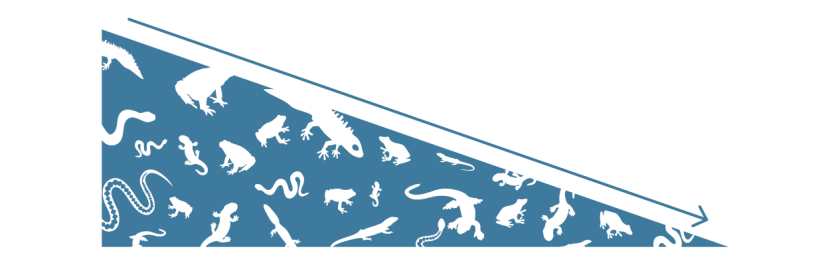
It is estimated that all our native species of reptile and amphibians are declining in numbers across the country.
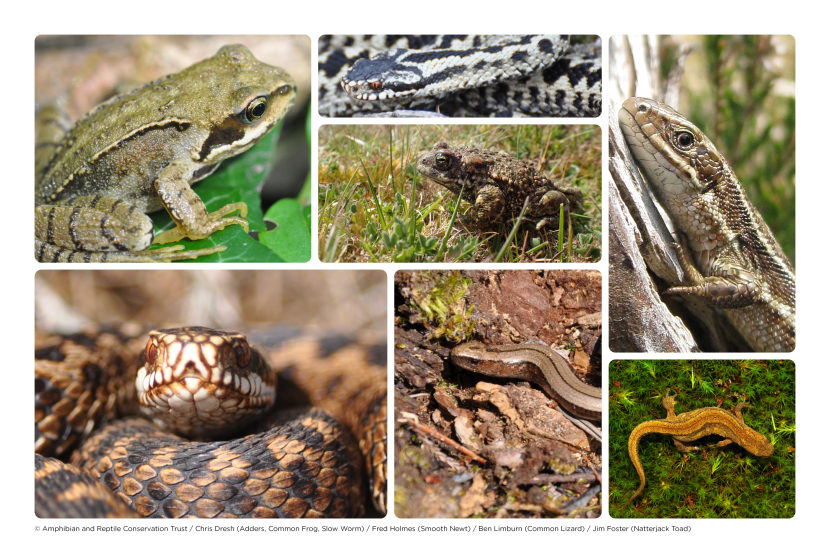
Here in Scotland, we have several species of amphibians and reptiles.
Amphibians:
- Common frog
- Common toad
- Natterjack toad
- Palmate newt
- Smooth newt
- Great crested newt
Reptiles:
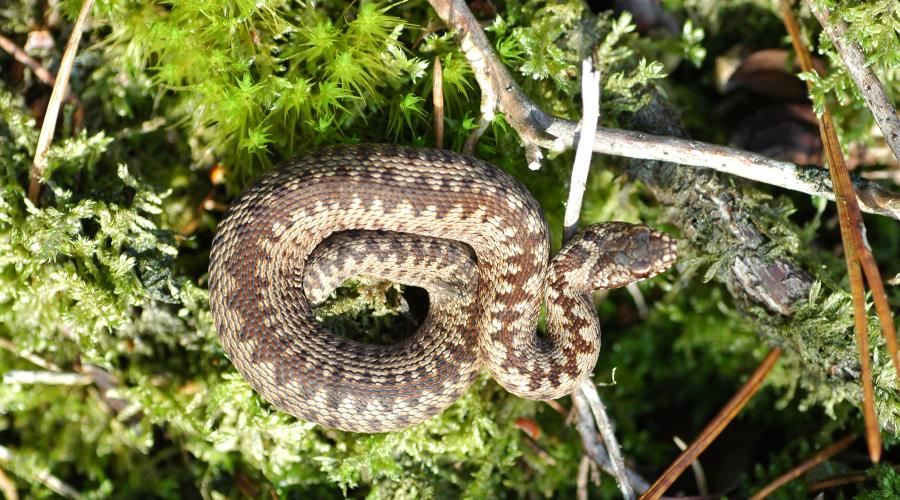
- Adder
- Common lizard
- Slow worm
We also infrequently have visits from several species of sea turtles, and we have some populations of grass snakes, although the jury is still out on if grass snakes are native to Scotland or not.
Amphibians and reptiles have a long cultural history within Scotland, as reflected within the Gaelic language, as well as many place names across the country, such as Cnapan Nathraichean, or ‘adder’s knoll’ on the Balmoral estate. These species are widespread across all of Scotland, with individuals found as far north as Shetland, to right down on the border, and out into the Islands and the Outer Hebrides.
Amphibians and reptiles are a key part of the biodiversity of Scotland, and are significant predator and prey species for a wide range of other organisms. For example, they are excellent at controlling insects and rodents. In turn, amphibians are key prey for a whole host of mammal, bird, fish, and invertebrate species as they are easily digestible from having no thick skin, scales, or feathers, and reptiles are eaten by large mammals such as badgers and birds of prey. This secures their vital place within the food web of Scotland, supporting the diversity of species within our ecosystems.
Amphibians and reptiles in Scotland face many pressures and threats, as they do across the UK and in other parts of the world. Their biggest threats include habitat loss and fragmentation, climate change, disease, invasive species, and disturbance from humans.
Threats

Habitat loss and fragmentation
Developments such as roads and housing can encroach on key habitat areas and so break them up, which amphibians and reptiles find very difficult to cope with as they are not very good at colonising new areas. Drainage can cause significant issues by removing vital water from habitats and landscapes which amphibians and reptiles rely on.

Changing weather patterns
Changing weather patterns can result in seasonal variation, which amphibians and reptiles rely on for carrying out normal behaviours and being able to fuel their metabolism. For example, a lack of spring rainfall caused by climate change means that breeding ponds for amphibians dry out, meaning that spawn will dry out and die before it can develop. Amphibians and reptiles are also vulnerable to extreme weather events, such as storms, which are predicted to increase with climate change.

Changes in prey and predation
Impacts on other species, such as predator or prey numbers, will have a knock-on impact on amphibian and reptile populations. For example, fewer invertebrate numbers means less food for amphibian species, and greater competition for other food sources.

Temperature
An increase in temperatures can increase the risk of amphibians drying out, as well as their breeding ponds that are important habitats for a whole range of species. Increased temperatures can also increase the spread of diseases by weakening the immune system.

Diseases
There are several key fungal and viral diseases that have contributed to global declines of amphibians in particular. In reptiles, snake fungal disease is an emerging concern.

Invasive species
We have several invasive animals in Scotland, such as alpine newts and invasive plants such as Crassula helmsii. They are not a like-for like- replacement for our native amphibians and reptiles, and can threaten our native species by outcompeting them for resources such as food, and can be carriers of diseases. These threats can make native species more vulnerable to climate risks

Water Quality
Water quality is particularly important for amphibian species, and an excess of pollution from agricultural pesticides, road run off, and industrial waste can lead to both direct mortality, and sublethal effects such as reduced fertility.

Persecution
Despite being legally protected against injury or harm, adders are still persecuted in some parts of Scotland due to fears about their venomous nature to humans, pets, and to livestock.

Disturbance
Amphibians and reptiles like to stay away from humans as much as possible. Activities such as from dog walkers, photographers, development works, roads, and outdoor recreation can cause significant disturbance to populations.
What we can do?
Build more ponds
Ponds are crucial feeding and breeding habitat for amphibians, and key feeding grounds for reptile species. Building more connected ponds will create more habitat corridors and connected functioning wetland systems. This will help with the dispersal of species so that they can better cope with habitat fragmentation.
Infrastructure changes
Making changes to the way we build our infrastructure, such as employing the use of SuDS ponds (sustainable urban drainage systems) or tunnels under roads can help balance the challenges of the increased need for developments with the needs of the amphibians and reptiles.
Invasive species
Identifying and carrying out targeted removal of invasive species will reduce competition and reduce the disease burden of habitats to help protect reptiles and amphibians.
Education
Better education on amphibians and reptiles will help improve understanding of these misunderstood creatures.
Habitat enhancements
Building hibernation sites out of natural materials, such as stone walls and log piles, is incredibly beneficial to not only reptiles and amphibians, but a whole host of other species too.
Clean waterways
Improving water quality of ponds, rivers, and lochs that many species (and humans) rely on will have a huge effect on the status of our freshwater habitats, which amphibians and reptiles rely on.
Climate change action
Re-establishing ‘wetter’ landscapes will help amphibians and reptiles but will also help people as those landscapes will be more resilient to the extremes of drought and rainfall associated with a changing climate – and help to restore the natural carbon cycle on land.
Research
Data on amphibians and reptiles is lacking in Scotland due to its large size and remote vastness, so more research is needed to better understand our amphibian and reptile species and their threats.
Other benefits

Changing Scotland's Nature
Delivering actions for reptiles and amphibians helps deliver healthy ecosystems, which benefits us and other species.

Green jobs
Habitat restoration, monitoring populations, and improving infrastructure can all help to create green jobs for Scotland in restoring and maintaining Scotland’s landscape.
Culture
Amphibians and reptiles have a long cultural history in Scotland. Restoring and safeguarding their habitats will help maintain them as a part of Scotland’s cultural heritage.
Carbon sequestration
Restoring our freshwater and peatland habitats, on which amphibian and reptile species depend, will help absorb carbon from the atmosphere, helping in the fight against climate change.
Increasing biodiversity
Improving amphibian and reptile numbers and habitats will have numerous benefits for a wide range of other key Scottish species.

Flood protection
Increased numbers of ponds and other associated nature-based infrastructure can help prevent flood events by providing space for water to go.