NatureScot Guidance - Statement of reasons for General Licences
General licences enable people to carry out activities that would otherwise be illegal, on species protected by the Wildlife and countryside act (1981, as amended) without the need to apply for a individual licence.
Operators must adhere to the terms and conditions of the general licence.
Statement of reasons are published for each General licence issued, assessing three licensing tests (Purpose, satisfactory alternatives, and impact on conservation status) for each species. Find all active General licences here.
This light-touch licensing approach is designed to balance species licensing and wildlife management whilst not compromising the conservation status of a species.
Return to General Licences for Birds 2026 & 2025.
GL01/2026 - To kill or take certain birds for the conservation of wild birds
Statement of Reasons for General Licence 01/2026
To kill or take certain birds or destroy their nest and eggs for the conservation of wild birds
A general licence to take, kill or damage or destroy nest and eggs of birds listed for the purpose of conserving wild birds can only be granted if the licensing tests are passed.
Test 1 – Licensable purpose
This licence allows the owner or occupier of the land or any person nominated by the owner or occupier of the land to control specific species of bird for the purpose conserving wild birds.
Magpie (Pica pica)
Whilst it is not clear whether magpie predation drives population declines of any species it is known that magpie predation may have a negative impact on the populations of some wild bird species when in high densities. Evidence has shown that magpie predation on wader chicks and eggs does occur. However, there is limited quantitative evidence of the impacts of this predation. Studies have found that the number of gamebirds increased significantly on sites where predators, including magpie, were controlled (along with several other interventions), but only slightly on a control site without predator control. Additionally, studies have also shown that targeted management of predators can help to increase songbird numbers. Based on this information, we are satisfied that they be included within the general licence 01/26 with a commitment to explore the impact of magpie predation further in our General Licence Review planned for 2026.
Carrion Crow (Corvus corone corone) & Hooded Crow (Corvus corone cornix)
There is considerable evidence to demonstrate an effect of predators on ground nesting waders and positive effect resulting from the control of predators. Studies have shown that predator control of Carrion and Hooded crow has a positive impact on the productivity of waders, gamebirds and songbird populations. Studies have also shown that high densities of carrion and hooded crow correlate with poor breeding success for a wide variety of avian species. Predation by Carrion and Hooded crow has the potential to reduce local productivity and abundances of prey species when the carrion or hooded crow are in high densities. Eggs and young birds form a substantial part of the mixed diets for both carrion and hooded crow, particularly those of waders and gamebirds. Analyses of large-scale and extensive national monitoring data provide little evidence of the national-scale impacts of carrion and hooded crow on songbird populations. Therefore, we are satisfied that both species are included with the general licence 01/26.
Jackdaw (Corvus monedula)
Evidence that Jackdaw drive the decline of any wild bird is limited. Jackdaws may be attributed to a small proportion of wader nest predation events, however, evidence of the impact of predation is limited. Jackdaw have been shown to prefer hunting in land associated with agricultural tending to favour this over woodland. However, studies have shown that jackdaws form a very small proportion of nest predation events. However, it is known that eggs and young birds can form a small part of the diet for jackdaw. Considering the evidence, albeit limited, that shows jackdaws may have an impact on the breeding success of a variety of avian species. We are satisfied that jackdaw is included within general licence 01/26 with a commitment to explore the impact of magpie predation further in our General Licence Review planned for 2026.
Jay (Garrulus glandarius)
Whilst jays are an opportunist species, who will readily feed on eggs and young birds this is only makes up part of their mixed diet. Nest predation is likely to be greatest for open-nesting birds in scrub or woodland habitats. Scientific evidence for jay driving the decline for any wild bird of conservation concern is relatively weak, however, there may be impacts at a local level. Studies have shown that in woodland bird populations jays are often the most significant nest predator among other bird species. Additionally, there is evidence that general predator control has a positive impact on the survivability of waders, gamebird and songbird species, and where jay is controlled species nesting in woodland and shrub areas benefit. However, it is important to note that jays still only account for a small proportion of nest predation events and other woodland birds and mammals can also be attributed to nest failure. Therefore, we are satisfied that Jay is included within the general licences 01/26 with a commitment to explore the impact of magpie predation further in our General Licence Review planned for 2026.
Ruddy Duck (Oxyura jamaicensis)
The Ruddy duck was introduced to the UK in the 1950s with a large proportion of its European population is found here. Ruddy duck has a negative impact on the conservation status of the Spanish population of white-headed duck, a species of conservation concern in Spain, which it hybridises easily with. The evidence supporting inclusion of ruddy duck on GL01/26 is robust. We consider it appropriate to support efforts to eradicate this species from Scotland (few individual birds are thought to persist, but their locations are unknown). Enabling action under a general licence will facilitate full eradication. Therefore, we are satisfied that Ruddy duck is included within general licence 01/26.
Canada Goose (Branta canadensis)
Although evidence is limited, as a non-native, Canada geese have the potential to outcompete native waterfowl for resources and breeding sites because of their intolerance and aggressive behaviours exhibited during the breeding season. Canada goose may have a negative impact on the conservation status of wild birds across Scotland, including species of conservation concern such as common scoter and breeding divers. Additionally, it has also been suggested that hybridisation between Canada geese and other geese species may pose a risk to native geese species. Therefore, we are satisfied that Canada goose is included within general licence 01/26.
Conclusion – Test 1 is passed
Test 2 – No other satisfactory solution
In assessing whether Test 2 is met, we have considered if there is a way of achieving the licensing purpose through measures which do not require a licence.
To meet the licensable purpose in this instance we have concluded that other satisfactory solutions are unlikely to be effective at conserving wild birds.
Do nothing – this is not a satisfactory option. The birds included above have the potential to impact the conservation of other wild birds, and alternative non-licensed action will not likely prevent this from happening.
As a condition of the licence, Licence holders must consider and try alternative non-licensable methods before using this general licence for lethal control.
It is a condition of the licence that Licence holders are expected to use non-licence actions and licensed actions in a hierarchical approach, with licensed actions such as lethal control being the last available action.
Example alternative actions available include but not limited to:
- Physical barriers (e.g. fences, nets, tapes and wires)
- Human presence
- Scaring and deterrent devices
- Non-lethal shooting as a scaring aid.
- Habitat management
- Diversionary feeding
Subject to the above condition, we are satisfied, that there is no other satisfactory solution to licensing actions to:
- Pricking of eggs
- Oiling of eggs
- Destruction of eggs and nests
- By hand
- Targeted falconry
- Shooting with any firearm, including semi-automatic firearms, shotguns or air guns
- A multi catch cage trap
- A Larsen mate trap
- A Larsen pod trap
- A Larsen trap
Conclusion – Test 2 is passed
Test 3 – Actions will not be detrimental to Favourable Conservation Status
Magpie (Pica pica)
There are no available figures for the number of magpie taken under GL01 in previous years across Scotland. General licences for this species have been in place for many years with no detrimental impact on their conservation status.
While it is not clear how many magpie are taken under this licence, inclusion of magpie on GL01 is unlikely at present to be having an adverse impact on its conservation status.
Carrion Crow (Corvus corone) & Hooded Crow (Corvus cornix)
There are no available figures for the number of crows taken under GL01 in previous years, though it is likely to be at least many hundreds over the whole of Scotland (National Gamebag Census, Game & Wildlife Conservation Trust). It is also likely that the biggest impact is on non-breeding and immature birds as these are more mobile, tend to aggregate into large flocks and are often more likely to enter traps. General licences for these species have been in place for many years with no detrimental impact on their conservation status.
Jackdaw (Corvus monedula)
There are no available figures for the number of Jackdaw taken under GL01 in previous years across Scotland. General licences for this species have been in place for many years with no detrimental impact on their conservation status.
While it is not clear how many Jackdaw are taken under this licence, inclusion of Jackdaw on GL01/26 is unlikely at present to be having an adverse impact on its conservation status.
Jay (Garrulus glandarius)
Jays are only locally abundant in certain areas of Scotland, mainly wooded parts of the south and east of Scotland. However, jay populations appear to be expanding into areas north of the Great Glen, a change that may be due to reduced levels of persecution given that there is no evidence of any significant habitat shift. There are no Game Bag Census data for the number of jays taken by shooting estates, so trends in numbers taken are not available.
Whilst it is not clear how many jay are taken under this licence, inclusion of jay on General Licence 01/26 is unlikely at present to be having a detrimental impact on its conservation status.
Ruddy Duck (Oxyura jamaicensis)
Not applicable. As an invasive non-native species ruddy duck conservation status in Scotland is not a factor. The UK intent is to eradicate this species.
Canada Goose (Branta canadensis)
An assessment of conservation status is not applicable because Canada geese are an invasive non-native species. Whilst conservation status of Canada goose in Scotland is not a factor, population trend data is shown here to highlight the potential for problems caused by these geese to increase given their increasing trend in the long term.
Conclusion – Test 3 is passed
NatureScot considers that GL01/26 meets all three species licensing tests, and provided conditions of the licence are met, has been approved for the taking, killings and destruction of nest and eggs of birds listed in General licence 01/26 by the methods outlined within General licence 01/26: Pricking of eggs, Oiling of eggs, Destruction of eggs and nests, By hand, Targeted falconry, Shooting with any firearm, including semi-automatic firearms, shotguns or air guns, A multi catch cage trap, A Larsen mate trap, A Larsen pod trap, A Larsen trap.
GL02/2026 - To kill or take certain birds for the prevention of serious damage
Statement of Reasons for General Licence 02/2026
To kill or take birds listed or damage or destroy their nest and eggs for the prevention of serious damage to livestock, foodstuffs for livestock, crops, vegetables and fruit
A general licence to take, kill birds or damage or destroy nest and eggs of birds listed for the purpose of preventing serious damage to livestock, foodstuffs for livestock, crops, vegetables and fruit can only be granted if the licensing test are passed.
Test 1 – Licensable purpose
This licence allows the owner or occupier of the land or any person nominated by the owner or occupier of the land to control specific species of bird for the purpose of preventing serious damage to livestock, foodstuffs for livestock, crops, vegetables and fruit.
Feral Pigeon (Columba livia)
Feral pigeons have been recorded feeding on crops, mainly grains. Most feral pigeons are strongly associated with town and cities but are known to commute to feeding areas, depending on the landscape and food resource. Feral pigeons have been recorded feeding on newly sown seeds; fresh sprouted cotyledon leaves and mature crops. Therefore, we accept that where feral pigeons can cause damage to crops when they are present.
We are satisfied that they are included on General Licence 02/26.
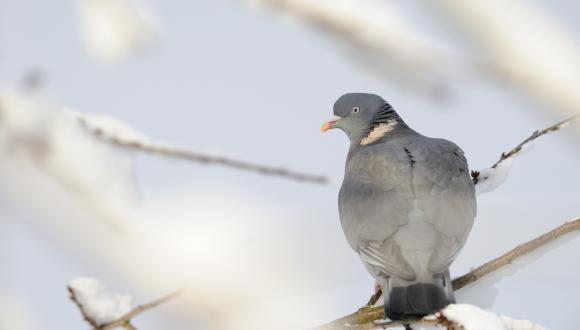
Woodpigeon (Columba palumbus)
Woodpigeon have a wide and varied diet and are considered to cause serious damage to crop, however, the number of studies investigating the crop damage caused by woodpigeon are small. Studies looking into the diet of woodpigeons have shown that it varies between seasons but can consist of fruit and seeds of trees and cereal grains. In winter months woodpigeons have been noted to cause serious damage to oil seed rape crops often impacting the yield of such crops. Unlike other species of pigeon and dove, woodpigeons eat leafy material and can cause damage to brassica, alongside grain and oil seed rape. Although studies are limited the evidence available demonstrates that woodpigeons can when present pose a threat of serious damage to crops.
We are satisfied that they be included with the General licence 02/26.
Carrion Crow and Hooded Crow (Corvus corone corone & Corvus corone cornix)
Both Carrion and hooded crow are known to cause serious damage to livestock and crops. Although documented evidence is limited we consider this is most likely due to an evidence gap rather than a lack of evidence.
Both species have been noted to cause damage to silage bails left out in stubble fields; And surveys commissioned by NatureScot (SNH) found that issues related to livestock, such as lambs and ewes stuck on their back are susceptible to attacks from both Hooded and Carrion crows.
The same survey noted that both species caused damage to crops, animal feed, and other livestock (e.g. poultry).
Therefore, we are satisfied that both carrion and hooded crow can cause serious damage to livestock, foodstuffs for livestock, crops, vegetables and fruit and should be included on General licence 02/26.
Jackdaw (Corvus monedula)
Scientific evidence for jackdaw causing serious damage to agricultural crops is absent. However, the general licence review consultation in 2019 provided a large quantity of anecdotal evidence that Jackdaws do cause damage to crops and food stuffs for livestock, including silage bales, can we include other examples.
We consider the lack of scientific evidence should be seen to be an evidence gap and not treated as no evidence. Therefore, we are satisfied that Jackdaw may cause serious damage to crops and should be included on General licence 02/26 with a commitment to explore the impact of jackdaws further in our General Licence Review planned for 2026.
Magpie (Pica pica)
Scientific evidence for magpie causing serious damage to crops and livestock is absent. Magpie have been noted to cause damage to silage bales and as a part of the general licence review (2019), there was anecdotal evidence that suggested that magpie do cause damage to livestock.
We consider the lack of evidence should be treated as an evidence gap and not a lack of evidence. Therefore, we are satisfied that magpie may cause serious damage to crops and should be included on General licence 02/26 with a commitment to explore the impact of magpie further in our General Licence Review planned for 2026.
Rook (Corvus frugilegus)
Seeds and vegetable matter make up a large amount of the rook’s diet during certain periods in the year, with invertebrates making up the rest of the dietary requirements through the rest of the year. This variation in diet has been shown through scientific studies and has indicated that rooks can during certain periods of the year cause damage to crops and food stuff for livestock. This has been demonstrated by historic higher densities of rook populations being seen in the northeast of Scotland, where more grain has been available over winter and later spring sowing. Rooks are known to cause damage to crops as well as feeding on livestock foodstuffs (e.g. Pigs and poultry feed).
We are satisfied that rooks are included on General licence 02/26 with a commitment to explore the impact of rooks further in our General Licence Review planned for 2026.
Canada goose (Branta canadensis)
Impacts on agriculture are likely to be relatively localised and relate to areas where large concentrations of Canada geese accumulate. Such sites are often adjacent to water bodies, where Canada geese can walk onto pasture or other agricultural land, from such waterbodies. During wet periods of the year when crops are in the earlier stages of growth, foraging geese can caused damage to crops by trampling and puddling. Puddling can lead to surface level compaction which can change the properties of the soil. Although limited information is available on Canada geese causing damage to crops and impact the yields of these crops, it is accepted that Canada geese do feed on the early growth crops and seeds and therefore may be causing serious damage. Additionally, where geese are in high enough densities, there is evidence to suggest that faeces left by geese can impact the grazing potential of livestock and therefore would impact the productivity.
We are satisfied that where they are present Canada geese may cause serious damage to crops and as such are included in General licence 02/26.
Greylag Goose (Anser anser)
It is widely acknowledged that the greylag goose can cause serious damage to agricultural crops. Greylag goose diet is made up largely of grasses, roots and grains and as such they often feed on arable crops. Damage may be experienced through direct feeding, trampling, puddling and high levels of faeces (where densities are high enough). Damage caused by greylag geese are often localised and is not seen across Scotland, where it does occur can be acute and can directly impact businesses. Damage is often most acute during harvest time and has, in some cases, forced farmers to harvest green silage earlier than desired, to avoid damage caused by the geese.
We are satisfied with the greylag goose may cause serious damage to foodstuffs for livestock and crops and as such are included on General licence 02/26.
Conclusion – Test 1 is passed
Test 2 – No other satisfactory solution
In assessing whether Test 2 is met, we have considered if there is a way of achieving the licensing purpose through measures which do not require a licence.
To meet the licensable purpose in this instance we have concluded that other satisfactory solutions are unlikely to prevent serious damage to livestock, foodstuffs for livestock, crops, vegetables and fruit, from occurring.
Do nothing - this is not a satisfactory solution. The birds are causing serious damage to livestock, foodstuffs for livestock, crops, vegetables and fruit and if no action were to occur then this would drastically impact the welfare of livestock and impact the owner/occupier’s business.
As a condition of the licence, Licence holders must consider and try alternative non-licensable methods before using this general licence for lethal control.
It is a condition of the licence that Licence holders are expected to use non-licence actions and licensed actions in a hierarchical approach, with licensed actions such as lethal control being the last available action.
Example alternative actions available include but not limited to:
- Physical barriers (e.g. fences, nets, tapes and wires)
- Human presence
- Scaring and deterrent devices
- Non-lethal shooting as a scaring aid.
- Habitat management
- Diversionary feeding
Subject to the above condition, in this case, we are satisfied, that there is no other satisfactory solution to licensing actions to:
- Pricking of eggs
- Oiling of eggs
- Destruction of eggs and nests
- By hand
- Targeted falconry
- Shooting with any firearm, including semi-automatic firearms, shotguns or air guns
- In the case of Feral pigeon, Columba livia, shooting with the aid of any device for illuminating a target or any device for night shooting.
- A multi catch cage trap
- A Larsen mate trap
- A Larsen pod trap
- A Larsen trap
Conclusion – Test 2 is passed
Test 3 – Actions will not be detrimental to Favourable Conservation Status
Feral Pigeon (Columba livia)
There are no available figures for the number of feral pigeons taken under GL02 in previous years across Scotland. General licences for this species have been in place for many years with no detrimental impact on their conservation status.
While it is not clear how many feral pigeons are taken under this licence, inclusion of feral pigeon on GL02/26 is unlikely at present to be having an adverse impact on its conservation status.
Woodpigeon (Columba palumbus)
There are no available figures for the number of Woodpigeon taken under GL02 in previous years across Scotland. General licences for this species have been in place for many years with no detrimental impact on their conservation status.
While it is not clear how many Woodpigeon are taken under this licence, inclusion of Woodpigeon on GL02/26 is unlikely at present to be having an adverse impact on its conservation status.
Carrion Crow and Hooded Crow (Corvus corone corone & Corvus corone cornix)
There are no available figures for the number of crows taken under GL02 in previous years, though it is likely to be at least many hundreds over the whole of Scotland (National Gamebag Census, Game & Wildlife Conservation Trust). It is also likely that the biggest impact is on non-breeding and immature birds as these are more mobile, tend to aggregate into large flocks and are often more likely to enter traps. General licences for these species have been in place for many years with no detrimental impact on their conservation status.
Jackdaw (Corvus monedula)
There are no available figures for the number of Jackdaw taken under GL02 in previous years across Scotland. General licences for this species have been in place for many years with no detrimental impact on their conservation status.
While it is not clear how many Jackdaw are taken under this licence, inclusion of Jackdaw on GL02/26 is unlikely at present to be having an adverse impact on its conservation status.
Magpie (Pica pica)
There are no available figures for the number of magpie taken under GL02 in previous years across Scotland. General licences for this species have been in place for many years with no detrimental impact on their conservation status.
While it is not clear how many magpie are taken under this licence, inclusion of magpie on GL02/26 is unlikely at present to be having an adverse impact on its conservation status.
Rook (Corvus frugilegus)
There are no available figures for the number of rook taken under GL02 in previous years across Scotland. General licences for this species have been in place for many years with no detrimental impact on their conservation status.
While it is not clear how many rook are taken under this licence, inclusion of rook on GL02/26 is unlikely at present to be having an adverse impact on its conservation status.
Canada goose (Branta canadensis)
An assessment of conservation status is not applicable because Canada geese are an invasive non-native species. Whilst conservation status of Canada goose in Scotland is not a factor, population trend data is shown here to highlight the potential for problems caused by these geese to increase given their increasing trend in the long term.
Greylag Goose (Anser anser)
There are no available figures for the number of greylag geese taken under GL02 in previous years across Scotland. Alongside the number of greylag hunted during the open season both in Scotland and in Iceland, a large numbers are likely to be killed to prevent damage to agriculture. The taking of greylag goose under GL02 during part of the close season (01 July – 31 August) has been permitted since 1 January 2017 with no apparent detrimental impact on the conservation status of resident birds.
The greylag goose is a species of medium conservation concern (it is ‘amber’ listed on BoCC5). Populations of resident birds are continuing to increase in Scotland despite the control afforded under the current licensing regime (individual licences and restricted inclusion on GL02) and is considered to be in favourable conservation status. We consider it to be unlikely that there will be a significant impact on the condition of Icelandic birds from the extended General Licence provisions. It unlikely that hunting pressure on greylag geese will significantly increase in spring under the extended GL provisions beyond that taken under individual licences.
Conclusion – Test 3 is passed
NatureScot considers that GL02/26 meets all three species licensing tests and, provided conditions of the licence are met, has been approved for the taking, killings and destruction of nest and eggs of birds listed in General licence 02/26 by the methods outlined within General licence 02/26: Oiling of eggs, Destruction of eggs and nests, By hand, Targeted falconry, Shooting with any firearm, including semi-automatic firearms, shotguns or air guns, In the case of Feral pigeon, Columba livia, shooting with the aid of any device for illuminating a target or any device for night shooting, A multi catch cage trap, A Larsen mate trap, A Larsen pod trap and A Larsen trap.
GL03/2026 - To kill or take certain birds for the preservation of public health, public safety and preventing the spread of disease
Statement of Reasons for General Licence 03/2026
To kill or take or damage or destroy nest and eggs of certain birds for the preservation of public health, public safety and preventing the spread of disease
A general licence to take, kill or damage or destroy nest and eggs of birds listed for the purpose of preserving public health or public safety or for the purpose of preventing the spread of disease can only be granted if the licensing test are passed.
Test 1 – Licensable purpose
This licence allows the owner or occupier of the land or any person nominated by the owner or occupier of the land to control specific species of bird for the purpose of preserving public health or public safety and for the purpose of preventing the spread of disease.
Canada Goose (Branta canadensis)
Large populations of Canada geese in urban and suburban areas have the potential to pose risks to public health or public safety and risk spreading disease. Large accumulations of faeces can present a risk of transferring diseases such as Campylobacter and avian influenza. In some cases, large accumulations of faeces at beaches have resulted in the beach being closed to the public. During nesting, brood rearing adult geese can present aggressive behaviours to defend young, which in certain circumstances may present a risk to public health or public safety. Therefore, we are satisfied that Canada geese may pose a risk to public health or safety and can pose a risk of spreading disease, as such should be included within General licence 03/26.
Feral Pigeon (Columba livia)
Feral pigeons may pose a risk to public health or public safety and present a risk of spreading disease. Pathogens from feral pigeons can be transmitted to humans via excreta, secretions or dust from feathers, additionally breeding and roosting sites can host a variety of arthropods (e.g. fleas, mites and ticks). Large roosts or breeding sites have the potential to build up significant amounts of guano which in certain circumstance can pose a risk to public health or safety. Chlamydophila psittaci and Cryptococcus neoformans are the most common pathogenic bacteria affecting feral pigeon and are the most common pathogens transmitted from feral pigeon to humans. Infections caused by Salmonella from feral pigeons are rare, however, cases have been noted where sheep ewes and sampled pigeons both tested positive for Salmonella enterica Indiana. Feral pigeons have the potential to foul on food stuffs and therefore pose a risk if permitted to gain access to such areas. There is a particular risk to grain elevators and stores. Therefore, we are satisfied that feral pigeons may pose a risk to public health or safety and may pose a risk of spreading disease, as such should be included within General licence 03/26.
Conclusion – Test 1 is passed
Test 2 – No other satisfactory solution
In assessing whether Test 2 is met, we have considered if there is a way of achieving the licensing purpose through measures which do not require a licence.
To meet the licensable purpose in this instance we have concluded that other satisfactory solutions are unlikely to resolve the issues causing risks to public health or public safety, or the risk of spreading diseases.
Do nothing – this is not a satisfactory option. The birds may cause a public health or safety risk and/or increasing the risk of spreading disease. If the risks are not removed this will result in public health or safety issues and potentially the spread of disease.
It is a condition of the licence that Licence holders must consider and try alternative non-licensable methods before using this general licence. Licence holders are also expected to use licensed actions in a hierarchical approach, with lethal control being the last available solution.
Example alternative non-licensed actions available include but not limited to:
- Physical barriers (e.g. fences, nets, tapes and wires)
- Human presence
- Scaring and deterrent devices
- etc
Subject to the above condition, we are satisfied, that there is no other satisfactory solution to licensing actions to:
- Pricking of eggs
- Oiling eggs
- Destruction of eggs and nests
- by hand
- Targeted falconry
- shooting with any firearm, including semi-automatic firearms, shotguns or air guns
- in the case of feral pigeons (Columba livia) shooting with the aid of any device for illuminating a target or any device for night shooting.
Conclusion – Test 2 is passed
Test 3 – Actions will not be detrimental to Favourable Conservation Status
Feral pigeon (Columba livia)
There are no available figures for the number of feral pigeons taken under GL03 in previous years across Scotland. General licences for this species have been in place for many years with no detrimental impact on their conservation status.
While it is not clear how many feral pigeons are taken under this licence, inclusion of feral pigeon on GL03/26 is unlikely at present to be having an adverse impact on its conservation status.
Canada Goose (Branta canadensis)
An assessment of conservation status is not applicable because Canada geese are an invasive non-native species. Whilst conservation status of Canada goose in Scotland is not a factor, population trend data is shown here to highlight the potential for problems caused by these geese to increase given their increasing trend in the long term.
Conclusion – Test 3 is passed
NatureScot considers that GL03/26 meets all three species licensing tests and, provided conditions of the licence are met, has been approved for; Pricking of eggs, Oiling eggs, Destruction of eggs and nests, by hand, Targeted falconry, shooting with any firearm, including semi-automatic firearms shotguns or air guns, in the case of feral pigeons (Columba livia) shooting with the aid of any device for illuminating a target or any device for night shooting.
GL04/2026 - To take red grouse using certain methods in order to administer medication or collect samples
Statement of Reasons for General Licence 04/2026
To take red grouse using certain methods in order to administer medication or collect samples
A General Licence to take Red grouse using certain methods to administer medication or collect samples for the purpose of preventing the spread of disease can only be granted if the licensing tests are passed:
Test 1 – Licensable purpose
This licence allows the owner/occupier or authorised land manager to take Red grouse using artificial lighting or dazzlingly devices in order to give them medical treatment or to collect samples of faeces for disease analysis between 1 August and 15 April (i.e. during their open season and part of their close season). Birds may only be taken by hand or in hand-held nets with a minimum opening of 30 cm and birds must be released within 12 hours of capture.
We accept that grouse managers need to treat wild birds for the parasitic threadworm (Trichostrongylus tenuis). The Wildlife & Countryside Act 1981 (WCA) was amended in 2011 to allow for the possibility of taking grouse although the method most commonly used to carry this activity was not included in the revised law (catching up is preferably done at night using an artificial light source and a hand-held net). GL04/26 enables this method to be carried out.
Trichostrongylus tenuis is the principal cause of strongylosis disease in adult Red grouse which results in grouse population fluctuations. Grouse are medicated to try to reduce the incidence of disease and so maintain high populations for hunting purposes.
Medication can be administered by (a) coating grit in flubendazole and spreading it on the moors which the grouse pick up (grouse naturally ingest grit to help them digest heather); or (b) catching up the grouse and dosing them orally.
Section 2(3C) of the WCA allows for the taking of Red grouse by grouse managers in the open season for certain purposes. The most common purpose is to administer medication for disease prevention with release of the birds within 12 hours. Thus, catching up Red grouse in daylight for medication is possible during the open season for grouse (12 August – 10 December) without a licence.
However, grouse managers require to medicate grouse during part of the close season as well. Further, the method of choice is to catch birds at night using artificial lights and a hand-held net. Thus, GL04/26 permits the use of artificial lighting or dazzlingly devices and hand nets which are normally prohibited methods of take (under section 5(1)(b) & (c)).
Conclusion – Test 1 is passed
Test 2 – No other satisfactory solution
In assessing whether or not Test 2 is met, we have considered if there is a way of achieving the licensing purpose through measures which do not require a licence.
In this instance we have concluded that, provided best practice and animal welfare considerations are follow, there is no other satisfactory solution to licensed take of Red grouse to administer oral doses of flubenzadole or the collection of faecal samples.
We consider it disproportionate to ask for data on samples collected under this general licence to help assess the continuing licensing need. Our understanding is that land managers require the ability to orally dose Red grouse throughout the open season and part of the close season, to help prevent the spread of disease (as an effective remedy in addition to putting out medicated grit on the open hill).
Conclusion – Test 2 is passed
Test 3 – Actions will not be detrimental to Favourable Conservation Status
This licence will result in the temporary taking of Red grouse at night (for up to 12 hours) during their open and part of their close season, using lamps and nets, in order to give oral medication and collect faecal samples, for disease control purposes.
Birds will be released within 12 hours of taking. Faecal sample data will allow monitoring of disease in local populations and appropriate dosing of further medication according to veterinary advice. The Red grouse is not a species of conservation concern and dosing birds may increase local populations for sustainable hunting.
It is concluded that there will be no detrimental impact on the population dynamics, range or availability of suitable habitats for Red grouse. Thus, the action under GL04/26 will not be detrimental to the maintenance of the population of Red grouse at a Favourable Conservation Status in their natural range.
Conclusion – Test 3 is passed
NatureScot considers that GL04/26 meets all three species licensing tests and has been approved for the taking of Red grouse using certain methods in order to administer medication or collect samples for the purpose of preventing the spread of disease.
GL05/2026 - To keep disabled, wild-bred Schedule 4 birds for rehabilitation
Statement of Reasons for General Licence 05/2026
To keep unregistered disabled, wild-bred Schedule 4 birds for rehabilitation
A General Licence to keep disabled, wild-bred Schedule 4 birds for the conservation of wild birds (rehabilitation from injury by authorised persons) can only be granted if the licensing tests are passed:
Test 1 – Licensable purpose
This licence allows authorised persons (suitably qualified official from RSPB; Scottish SPCA inspectors; owners or employees of registered wildlife charities; persons who’ve been a registered keeper of three disabled birds that have been successfully released; police constables or police employees with suitable experience) to keep disabled wild-bred birds listed on Schedule 4 to the Wildlife & Countryside Act 1981 (as amended; WCA) for up to 15 days without registration (and appropriate ringing or marking) with the Animal & Plant Health Agency (APHA) for the purpose of conservation of wild birds (their rehabilitation and subsequent release when no longer disabled). The action is authorised throughout the year.
GL05/2026 enables a range of suitably qualified and/or experienced persons to keep injured Schedule 4 wild-bred birds captive for a limited period without needing to register them with the APHA as required under section 7 of the WCA. The birds on Schedule 4 are:
| Common name | Scientific name |
|---|---|
| Buzzard, Honey | Pernis apivorus |
| Eagle, Golden | Aquila chrysaetos |
| Eagle, White-tailed | Haliaeetus albicilla |
| Falcon, Peregrine | Falco peregrinus |
| Goshawk | Accipiter gentilis |
| Harrier, Marsh | Circus aeruginosus |
| Harrier, Montagu | Circus pygargus |
| Merlin | Falco columbarius |
| Osprey | Pandion haliaetus |
Persons can only keep the wild-bred birds captive for 15 days under GL05/26. This may give sufficient time for full recovery and release of the bird. Where an injured bird requires more lengthy rehabilitation, GL05/26 ensures the keeper is acting legally whilst the APHA registration (against a separate un-rung licence) is sorted out.
Conclusion – Test 1 is passed
Test 2 – No other satisfactory solution
In assessing whether Test 2 is met, we have considered if there is a way of achieving the licensing purpose through measures which do not require a licence.
In this instance we have concluded that there is no other satisfactory solution to licensed keeping of Schedule 4 wild-bred birds for up to 15 days by authorised persons.
Conclusion – Test 2 is passed
Test 3 – Actions will not be detrimental to Favourable Conservation Status
This licence will result in the temporary keeping of Schedule 4 wild-bred birds for the purpose of conservation of wild birds.
Actions taken under GL05/26 are necessary for animal welfare purposes. If no action is taken, injured wild-bred birds might continue to suffer unnecessarily and/or die. Enabling keepers to support rehabilitation for a short period of time without the need for APHA registration is appropriate.
It is concluded that there will be no detrimental impact on the population dynamics, range or availability of suitable habitats for any Schedule 4 wild-bred bird species that might be kept under GL05/26. Thus, the action under GL05/26 will not be detrimental to the maintenance of the population of Schedule 4 wild-bred bird species at a Favourable Conservation Status in their natural range.
Conclusion – Test 3 is passed
NatureScot considers that GL05/26 meets all three species licensing tests and has been approved for the keeping of Schedule 4 wild-bred birds by authorised persons for the conservation of wild birds.
GL06/2026 - To keep disabled, wild-bred Schedule 4 birds for veterinary treatment
Statement of Reasons for General Licence 06/2026
To keep unregistered disabled, wild-bred Schedule 4 birds for veterinary treatment
A General Licence to keep disabled, wild-bred Schedule 4 birds for the conservation of wild birds (rehabilitation from injury by vets; GL06/26) can only be granted if the licensing tests are passed:
Test 1 – Licensable purpose
This licence allows qualified practising UK registered vets to keep wild-bred birds listed on Schedule 4 to the Wildlife & Countryside Act 1981 (as amended; WCA) for up to six weeks without registration (and appropriate ringing or marking) with the Animal & Plant Health Agency (APHA) for the purpose of conservation of wild birds (their rehabilitation and subsequent release when no longer disabled). The action is authorised throughout the year.
GL06/2026 enables qualified vets to keep injured Schedule 4 wild-bred birds captive for a limited period in order to give them professional treatment without needing to register them with the APHA as required under section 7 of the WCA. The birds on Schedule 4 are:
| Common name | Scientific name |
|---|---|
| Buzzard, Honey | Pernis apivorus |
| Eagle, Golden | Aquila chrysaetos |
| Eagle, White-tailed | Haliaeetus albicilla |
| Falcon, Peregrine | Falco peregrinus |
| Goshawk | Accipiter gentilis |
| Harrier, Marsh | Circus aeruginosus |
| Harrier, Montagu | Circus pygargus |
| Merlin | Falco columbarius |
| Osprey | Pandion haliaetus |
Qualified vets can only keep the wild-bred birds captive for six weeks under GL06/26. This may give sufficient time for full recovery and release of the bird. If the bird is not able to be released within six weeks, the vet must register the bird with APHA (against either an un-rung licence or a ring or mark on the bird, as per section 7 of the WCA).
Conclusion – Test 1 is passed
Test 2 – No other satisfactory solution
In assessing whether Test 2 is met, we have considered if there is a way of achieving the licensing purpose through measures which do not require a licence.
In this instance we have concluded that there is no other satisfactory solution to licensed keeping of Schedule 4 wild-bred birds for up to six weeks by qualified vets.
Conclusion – Test 2 is passed
Test 3 – Actions will not be detrimental to Favourable Conservation Status
This licence will result in the temporary keeping of Schedule 4 wild-bred birds for the purpose of conservation of wild birds.
Actions taken under GL06/26, provided best practice and animal welfare considerations are made, are necessary for animal welfare purposes. If no action is taken, injured wild-bred birds might continue to suffer unnecessarily and/or die. Enabling qualified vets to give professional treatment for a limited time to injured birds may save the bird’s life without the need for APHA registration.
It is concluded that there will be no detrimental impact on the population dynamics, range or availability of suitable habitats for any Schedule 4 wild-bred bird species that might be kept by vets under GL06/26. Thus, the action under GL06/26 will not be detrimental to the maintenance of the population of Schedule 4 wild-bred bird species at a Favourable Conservation Status in their natural range.
Conclusion – Test 3 is passed
NatureScot considers that GL06/26 meets all three species licensing tests and has been approved for the temporary keeping of Schedule 4 wild-bred birds by vets for the conservation of wild birds.
GL07/2026 - To rear chicks from captive-bred Schedule 4 birds
Statement of Reasons for General Licence 07/2026
To rear unregistered chicks from captive-bred Schedule 4 birds
A General Licence to keep captive-bred Schedule 4 birds for falconry or aviculture (GL07/26) can only be granted if the licensing tests are passed:
Test 1 – Licensable purpose
This licence allows the keeper and/or owner to keep captive-bred birds listed on Schedule 4 to the Wildlife & Countryside Act 1981 (as amended; WCA) hatched from incubated eggs for up to 20 days without ringing and registration via the Animal & Plant Health Agency (APHA), for the purpose of falconry and aviculture. The action is authorised throughout the year.
GL07/26 enables operators to keep captive-bred Schedule 4 birds hatched from incubated eggs for a limited period without needing to ring and register them with the APHA as required under section 7 of the WCA. Section 7 makes it illegal for persons to keep Schedule 4 birds whether captive-bred or wild birds.
The birds on Schedule 4 are:
| Common name | Scientific name |
|---|---|
| Buzzard, Honey | Pernis apivorus |
| Eagle, Golden | Aquila chrysaetos |
| Eagle, White-tailed | Haliaeetus albicilla |
| Falcon, Peregrine | Falco peregrinus |
| Goshawk | Accipiter gentilis |
| Harrier, Marsh | Circus aeruginosus |
| Harrier, Montagu | Circus pygargus |
| Merlin | Falco columbarius |
| Osprey | Pandion haliaetus |
Operators can only keep the captive-bred chicks for up to 20 days under GL07/26. This time period is to allow young birds to reach sufficient age to bear a ring.
Conclusion – Test 1 is passed
Test 2 – No other satisfactory solution
In assessing whether Test 2 is met, we have considered if there is a way of achieving the licensing purpose through measures which do not require a licence.
In this instance we have concluded that there is no other satisfactory solution to licensed keeping of Schedule 4 captive-bred chicks for up to 20 days. In order to register captive-bred birds with APHA, the chick must bear a ring (mark). The size of legs of some Schedule 4 chicks must mature a little to allow a ring which is big enough for the adult bird to bear without falling off the chick’s leg. Otherwise, the keeper/owner of the chick would need to apply for registration with APHA against an un-rung licence. It takes time for the APHA to process bird registrations, so GL07/26 enables breeders to remain within the law until their chicks are old enough to bear an adult ring for bird registration purposes. This is especially so, since ‘registration’ in GL07/26 means receipt of registration documentation by APHA (rather than issue of the registration documentation itself which can take some time).
Conclusion – Test 2 is passed
Test 3 – Actions will not be detrimental to Favourable Conservation Status
This licence will result in the temporary keeping of unregistered Schedule 4 captive-bred birds for the purpose of falconry or aviculture. No take of wild birds is permitted under GL07/26. Actions taken under this Licence are necessary to ensure bird breeders can hold chicks legally until the chicks are old enough to bear a ring. If GL07/26 was not available breeders might end up keeping captive-bred Schedule 4 birds illegally. Keepers cannot apply to APHA to register their chicks against an un-rung licence before the chicks have hatched.
It is concluded that there will be no detrimental impact on the population dynamics, range or availability of suitable habitats for any Schedule 4 species since GL07/26 pertains to captive-bred birds only. Thus, the action under GL07/26 will not be detrimental to the maintenance of the population of Schedule 4 bird species at a Favourable Conservation Status in their natural range.
Conclusion – Test 3 is passed
NatureScot considers that GL07/26 meets all three species licensing tests and has been approved for the temporary keeping of Schedule 4 captive-bred birds for falconry or aviculture.
GL08/2026 - To permit the competitive showing of certain captive-bred live birds
Statement of Reasons for General Licence 08/2026
To permit the competitive showing of certain captive-bred live birds
A General Licence to allow the competitive showing of certain captive-bred live wild birds for public exhibition or competition purposes (GL08/26) can only be granted if the licensing tests are passed:
Test 1 – Licensable purpose
This licence allows persons to publicly exhibit and competitively show all captive-bred birds except for those listed on Schedule 3 Part 1 to the Wildlife & Countryside Act 1981 (as amended; WCA). The action is authorised throughout the year.
It is already legal to show birds on Schedule 3 Part 1 provided they are ringed and captive-bred. The birds on Schedule 3 Part 1 are:
| Common name | Scientific name |
|---|---|
| Blackbird | Turdus merula |
| Brambling | Fringilla montifringilla |
| Bullfinch | Pyrrhula pyrrhula |
| Reed bunting | Emberiza schoeniclus |
| Chaffinch | Fringilla coelebs |
| Dunnock | Prunella modularis |
| Goldfinch | Carduelis carduelis |
| Greenfinch | Carduelis chloris |
| Jackdaw | Corvus mondedula |
| Jay | Garrulus glandarius |
| Linnet | Carduelis cannabina |
| Magpie | Pica pica |
| Barn owl | Tyto alba |
| Redpoll | Carduelis flammea |
| Siskin | Spinus spinus (previously Carduelis spinus) |
| Starling | Sturnus vulgaris |
| Song thrush | Turdus philomelos |
| Twite | Linaria flavirostris (previously Carduelis flavirostris) |
| Yellow hammer | Emberiza citrinella |
There is wide interest in exhibiting and showing captive-bred birds, including those not listed on Schedule 3 Part 1 of the WCA. GL08/26 enables showing of these other birds for public exhibition or competition purposes.
Conclusion – Test 1 is passed
Test 2 – No other satisfactory solution
In assessing whether or not Test 2 is met, we have considered if there is a way of achieving the licensing purpose through measures which do not require a licence.
In this instance we have concluded that there is no other satisfactory solution to licensed exhibition and showing of any captive-bred bird not on Schedule 3 Part 1. Many people enjoy exhibiting and showing species of birds besides those listed on Schedule 3 Part 1 and the only way to enable this legally is to do so under licence. Since the activity is regularly undertaken and is widespread, a general licence approach is appropriate.
Conclusion – Test 2 is passed
Test 3 – Actions will not be detrimental to Favourable Conservation Status
This licence will result in the exhibition or showing of many species of captive-bred birds. No take of wild birds is permitted under GL08/26 and so there will be no impact on wild populations of these bird species.
Actions taken under this Licence are necessary to ensure bird breeders can show their birds at public events. If GL08/26 was not available breeders would not be able to show their birds which may have a disproportionate impact on their past-time and enjoyment showing captive-bred birds.
It is concluded that there will be no detrimental impact on the population dynamics, range or availability of suitable habitats for any wild bird species since GL08/26 pertains to captive-bred birds only. Thus, the action under GL08/26 will not be detrimental to the maintenance of the population of wild bird species at a Favourable Conservation Status in their natural range.
Conclusion – Test 3 is passed
NatureScot considers that GL08/26 meets all three species licensing tests and has been approved for competitive showing of certain captive-bred birds for the purposes of public exhibition or competition.
GL09/2026 - To keep certain captive-bred live birds in show cages for training purposes
Statement of Reasons for General Licence 09/2026
To keep certain captive-bred live birds in show cages for training purposes
A General Licence to allow the temporary keeping or confinement of any live captive-bred bird in a show cage of specified dimensions (GL09/26) can only be granted if the licensing tests are passed:
Test 1 – Licensable purpose
This licence allows persons to keep or confine any captive bred bird on a temporary basis (up to one hour in any 24 hour period) for training for public exhibition and competitive show purposes. The action is authorised throughout the year. Any bird kept and trained for the purpose of showing must be registered in accordance with the Performing Animals (Regulation) Act 1925. Any bird kept, unless belonging to the order psittaciformes (parrot family, including budgerigars) or passeriformes (perching birds, including jays and finches), must be registered on the Scottish kept birds register.
There is wide interest in exhibiting and showing captive-bred birds. GL09/26 enables these birds to get used to confinement in cages for public exhibition or competition purposes.
Conclusion – Test 1 is passed
Test 2 – No other satisfactory solution
In assessing whether Test 2 is met, we have considered if there is a way of achieving the licensing purpose through measures which do not require a licence.
In this instance we have concluded that there is no other satisfactory solution to licensed keeping or confinement of any captive-bred bird. Many people enjoy exhibiting and showing their captive-bred birds and the only way to enable this legally is to do so under licence. To compete effectively, captive- bred birds need to be familiar with smaller cages than the aviaries they are usually kept in (to avoid undue stress etc.). Thus, breeders need to accustom their birds to the competition cages through confining them for short amounts of time.
However, section 8 of the Wildlife & Countryside Act 1981 (as amended) makes it an offence for persons to keep or confine captive birds (whether captive bred or not) in a cage which is insufficient in height, length or breadth to permit the bird to stretch its wings freely, including for public exhibition or competition reasons. Thus, to enable training for public exhibition etc. it is necessary to licence the keeping or confinement of birds in cages of suitable dimensions as specified in GL09/26.
Since the public exhibition or competition is widespread and undertaken regularly, a general licence approach is appropriate.
To not enable birds to familiarise themselves with show cages would mean breeders would not be able to show their birds which may have a disproportionate impact on their past-time and enjoyment showing captive-bred birds.
Conclusion – Test 2 is passed
Test 3 – Actions will not be detrimental to Favourable Conservation Status
This licence will result in the temporary keeping or confinement of captive-bred birds in cages of an appropriate size. No take of wild birds is permitted under GL09/26 and so there will be no impact on wild populations of these bird species.
It is concluded that there will be no detrimental impact on the population dynamics, range or availability of suitable habitats for any wild bird species since GL09/26 pertains to captive-bred birds only. Thus, the action under GL09/26 will not be detrimental to the maintenance of the population of wild bird species at a Favourable Conservation Status in their natural range.
Conclusion – Test 3 is passed
NatureScot considers that GL09/26 meets all three species licensing tests and has been approved for the purpose of training birds for public exhibition or competition.
GL10/2026 - To sell certain live captive-bred species of wild bird
Statement of Reasons for General Licence 10/2026
To sell certain live captive-bred species of wild bird
A General Licence to allow the sale, hire, barter or exchange (or offer to do any of those things), possession or transport for the purpose of sale, hire, barter or exchange, or publish (or cause to be published) any advertisement likely to be understood as conveying the intention to buy, sell, hire, barter or exchange certain live captive-bred wild species of bird (GL10/26) can only be granted if the licensing tests are passed:
Test 1 – Licensable purpose
This licence allows persons to sell etc. certain live captive-bred wild species of birds throughout the year. The sale (trade in) live captive-bred birds is prohibited under section 6(1) of the Wildlife & Countryside Act 1981 (as amended; WCA)
GL10/26 does not allow the sale (trade) of bird species listed on Appendix I to the Convention on International Trade in Endangered Species of Wild Fauna and Flora (CITES). These species are those threatened with extinction which are or may be affected by trade. Note that the list of species on Appendix 1 varies and so the reader is referred to the CITES website to view the current list of birds which cannot be traded.
In addition, GL10/26 does not allow the sale of live captive-bred wild bird species listed on Schedule 3 Part 1 to the Wildlife & Countryside Action 1981 (as amended) because it is already legal to sell these birds provided they are ringed. The species on Schedule 3 Part 1 are:
| Common name | Scientific name |
|---|---|
| Blackbird | Turdus merula |
| Brambling | Fringilla montifringilla |
| Bullfinch | Pyrrhula pyrrhula |
| Reed bunting | Emberiza schoeniclus |
| Chaffinch | Fringilla coelebs |
| Dunnock | Prunella modularis |
| Goldfinch | Carduelis carduelis |
| Greenfinch | Carduelis chloris |
| Jackdaw | Corvus mondedula |
| Jay | Garrulus glandarius |
| Linnet | Carduelis cannabina |
| Magpie | Pica pica |
| Barn owl | Tyto alba |
| Redpoll | Carduelis flammea |
| Siskin | Spinus spinus (previously Carduelis spinus) |
| Starling | Sturnus vulgaris |
| Song thrush | Turdus philomelos |
| Twite | Linaria flavirostris (previously Carduelis flavirostris) |
| Yellow hammer | Emberiza citrinella |
or,
(iii) The following species in the Anatidae family:
| Common name | Scientific name |
| Common scoter | Melanitta nigra |
| Egyptian goose | Alopochen egyptiacus |
| Ferruginous duck | Aythya nyroca |
| Garganey | Anas querquedula |
| Goldeneye | Bucephala clangula |
| Goosander | Mergus merganser |
| Long-tailed duck | Clangula hyemalis |
| Mute Swan | Cygnus olor |
| Red-breasted merganser | Mergus serrator |
| Ruddy duck | Oxyura jamaicensis |
| Velvet scoter | Melanitta fusca |
Conclusion – Test 1 is passed
Test 2 – No other satisfactory solution
In assessing whether or not Test 2 is met, we have considered if there is a way of achieving the licensing purpose through measures which do not require a licence.
In this instance we have concluded that there is no other satisfactory solution to the licensed sale etc. of certain live captive-bred birds. Section 6(1) of the WCA makes it an offence for persons to sell etc. any live captive-bred bird. However, many people enjoy trading live captive-bred birds and the only way to enable this is to licence the activity.
This general licence permits the sale of live, captive-bred wild birds and so facilitates this widespread and regularly undertaken activity.
If the sale etc. of live captive-bred wild birds was not allowed would mean breeders would not be able to sell their birds. This inability might have a disproportionate impact on the aviculture past-time and enjoyment breeders have trading their birds.
Conclusion – Test 2 is passed
Test 3 – Actions will not be detrimental to Favourable Conservation Status
This licence will result in the sale etc. of live captive-bred wild birds. No take of wild birds is permitted under GL10/26 and so there will be no impact on wild populations of these bird species.
It is concluded that there will be no detrimental impact on the population dynamics, range or availability of suitable habitats for any wild bird species via GL10/26. Thus, the action under GL10/26 will not be detrimental to the maintenance of the population of wild bird species at a Favourable Conservation Status in their natural range.
Conclusion – Test 3 is passed
NatureScot considers that GL10/26 meets all three species licensing tests and has been approved for the (purpose of) sale of certain live, captive-bred birds.
GL11/2026 - To sell feathers and parts of certain dead birds which have been captive-bred or legally taken from the UK
Statement of Reasons for General Licence 11/2026
To sell feathers and parts of certain dead birds which have been captive-bred or legally taken from the UK
A General Licence to allow the sale, hire, barter or exchange (or offer to do any of those things), possession or transport for the purpose of sale, hire, barter or exchange, or publish (or cause to be published) any advertisement likely to be understood as conveying the intention to buy, sell, hire, barter or exchange of feathers, feathered wings or pieces of feathered skin or anything manufactured or derived from such items of certain dead wild birds (GL11/26) can only be granted if the licensing tests are passed:
Test 1 – Licensable purpose
The sale (trade in) parts of dead wild birds is prohibited under section 6(2) of the Wildlife & Countryside Act 1981 (as amended; WCA). GL11/26 allows persons to sell etc. feathers and other parts of the following species of dead wild birds providing they were bred in captivity or legally taken from the wild in the UK:
| Common name | Scientific name |
|---|---|
| Mallard | Anas platyrhynchos |
| Pintail | Anas acuta |
| Pochard | Anas ferina |
| Shoveler | Anas clypeata |
| Teal | Anas crecca |
| Tufted duck | Aythya fuligula |
| Wigeon | Anas penelope |
| Snipe | Gallinago gallinago |
| Golden plover | Pluvialis apricaria |
| Woodcock | Scolopax rusticola |
| Coot | Fulica atra |
Only small numbers of birds can be sold under GL11/26 and sale is permitted throughout the year.
Conclusion – Test 1 is passed
Test 2 – No other satisfactory solution
In assessing whether or not Test 2 is met, we have considered if there is a way of achieving the licensing purpose through measures which do not require a licence.
In this instance we have concluded that there is no other satisfactory solution to the licensed sale etc. of feathers and other parts from certain dead captive-bred wild birds or wild birds taken legally from the wild in the UK. Section 6(2) of the WCA makes it an offence for persons to sell etc. feathers or parts of any dead wild bird. However, fishermen utilise feathers to make fishing flies and the only way to enable this trade which is culturally important to fly fishing, is to licence the activity.
Since the sale etc. of feathers and parts of certain dead wild birds (captive-bred or legally taken from the wild in the UK) is widespread and undertaken regularly, a general licence approach is appropriate.
If the sale etc. of feathers from dead wild birds (captive-bred or legally taken from the wild in the UK) was not allowed it would halt the sale of fishing flies (and other products) using natural feathers. This inability might have a disproportionate impact on the past-time and enjoyment of the fishing community, for example.
Conclusion – Test 2 is passed
Test 3 – Actions will not be detrimental to Favourable Conservation Status
This licence will result in the sale etc. of feathers and parts from certain dead wild birds (captive-bred or legally taken from the wild in the UK). Only small numbers of wild birds taken from the wild in the UK can be sold under GL11/26 and so there will be little or no impact on wild populations of these bird species.
It is concluded that there will be no detrimental impact on the population dynamics, range or availability of suitable habitats for any wild bird species via GL11/26. Thus, the action under GL11/26 will not be detrimental to the maintenance of the population of wild bird species at a Favourable Conservation Status in their natural range.
Conclusion – Test 3 is passed
NatureScot considers that GL11/26 meets all three species licensing tests and has been approved for the (purpose of) sale of feathers etc. from certain dead wild birds (captive-bred or legally taken from the wild in the UK).
GL12/2026 - To sell certain dead birds which have been captive-bred or legally taken from the European Union
Statement of Reasons for General Licence 12/2026
To sell certain dead birds which have been captive-bred or legally taken from the European Union
A General Licence to allow the sale, hire, barter or exchange (or offer to do any of those things), possession or transport for the purpose of sale, hire, barter or exchange, or publish (or cause to be published) any advertisement likely to be understood as conveying the intention to buy, sell, hire, barter or exchange certain dead wild birds that have been bred in captivity or legally taken from a Member State of the EU (GL12/26) can only be granted if the licensing tests are passed:
Test 1 – Licensable purpose
This licence allows persons to sell etc. feathers and parts of certain dead wild birds if they have been captive-bred or legally taken from Member States of the EU. The sale (trade in) of dead wild birds is prohibited under section 6(2) of the Wildlife & Countryside Act 1981 (as amended; WCA).
GL12/26 only permits the sale (trade) of certain dead wild bird species that have been captive bred or legally taken from a Member State of the EU except for the following species which it is legal to sell under the WCA anyway:
| Common name | Scientific name |
|---|---|
| Coot | Fulica atra |
| Tufted duck | Aythya fuligula |
| Gadwall | Anas strepera |
| Goldeneye | Bucephala clangula |
| Canada goose | Branta canadensis |
| Greylag goose | Anser anser |
| Pink-footed goose | Anser brachyrhynchus |
| Black grouse | Tetrao tetrix |
| Red grouse | Lagopus lagopus scoticus |
| Mallard | Anas platyrhynchos |
| Moorhen | Gallinula chloropus |
| Grey partridge | Perdix perdix |
| Red-legged partridge | Alectoris rufa |
| Common pheasant | Phasianus colchicus |
| Pintail | Anas acuta |
| Golden plover | Pluvialis apricaria |
| Pochard | Aythya ferina |
| Ptarmigan | Lagopus mutus |
| Shoveler | Anas clypeata |
| Common snipe | Gallinago gallinago |
| Teal | Anas crecca |
| Wigeon | Anas penelope |
| Woodcock | Scolopax rusticola |
| Barnacle goose | Branta leucopsis |
| White-fronted goose | Anser albifrons |
Sale is permitted throughout the year.
It is already legal to sell the above wild bird species under various Parts to Schedule 3 of the WCA and so there is no need for GL12/26 to cover their sale.
Conclusion – Test 1 is passed
Test 2 – No other satisfactory solution
In assessing whether Test 2 is met, we have considered if there is a way of achieving the licensing purpose through measures which do not require a licence.
In this instance we have concluded that there is no other satisfactory solution to the licensed sale etc. of certain dead captive-bred birds or those legally taken from EU Member States. Section 6(2) of the WCA makes it an offence for persons to sell etc. dead wild birds whether captive-bred or not. Thus, GL12/26 lists those species which may be sold etc.. This is to enable the sale of taxidermy bird specimens.
Since the sale of these captive-bred wild birds and species legally taken in EU Member States is widespread and undertaken regularly, a general licence approach is appropriate.
If the sale etc. of certain dead captive-bred wild birds and those legally taken from EU Member States was not enabled this would have a disproportionate impact on the past-time and enjoyment of those interested in selling and purchasing taxidermy specimens.
Conclusion – Test 2 is passed
Test 3 – Actions will not be detrimental to Favourable Conservation Status
This licence will result in the sale etc. of certain dead captive-bred wild birds and those legally taken in EU Member States. No illegal take of wild birds in Scotland is permitted under GL12/26 and so there will be no impact on wild populations of these bird species. Licensed take of wild birds would be assessed separately through the licensing process. Specimens may be collected for taxidermy that have died by natural means or by accident (e.g. incidental road killings). Use of these specimens under GL12/26 would not impact on the conservation status of the species concerned.
It is concluded that there will be no detrimental impact on the population dynamics, range or availability of suitable habitats for any wild bird species via GL12/26. Thus, the action under GL12/26 will not be detrimental to the maintenance of the population of wild bird species at a Favourable Conservation Status in their natural range.
Conclusion – Test 3 is passed
NatureScot considers that GL12/26 meets all three species licensing tests and has been approved for the (purpose of) sale of certain dead captive-bred wild birds or those legally taken from EU Member States.
GL13/2026 - To take unsuccessful eggs laid by wild birds from nest boxes
Statement of Reasons for General Licence 13/2026
To take unsuccessful eggs laid by wild birds from nest boxes
A General Licence to allow the taking of unsuccessful eggs laid by wild birds in nest boxes (GL13/26) can only be granted if the licensing tests are passed:
Test 1 – Licensable purpose
This licence allows persons to take unsuccessful eggs laid by wild birds from nest boxes during the non-breeding season and destroy them. The taking or destruction of wild birds’ eggs is prohibited under section 1(c) of the Wildlife & Countryside Act 1981 (as amended; WCA).
GL13/26 only permits the taking and thereafter destruction of wild birds’ eggs from nest boxes that have been abandoned and unsuccessful between1 August and 31 January to avoid the bird breeding season.
Conclusion – Test 1 is passed
Test 2 – No other satisfactory solution
In assessing whether or not Test 2 is met, we have considered if there is a way of achieving the licensing purpose through measures which do not require a licence.
In this instance we have concluded that there is no other satisfactory solution to the licensed removal and destruction.
Since the use of nest boxes is widespread and egg abandonment a regular occurrence, a general licence approach is appropriate.
If the removal of such eggs was not permitted, nest boxes may not be used during the next breeding season with might limit the breeding success of local populations of wild birds.
Conclusion – Test 2 is passed
Test 3 – Actions will not be detrimental to Favourable Conservation Status
This licence will result in the removal of abandoned wild birds’ eggs or their destruction. No illegal take of living wild bird eggs is permitted under GL13/26 and so there will be no negative impact on wild bird populations. In fact, local populations of wild birds may increase if nest boxes are cleaned out before the start of the new breeding season.
It is concluded that there will be no detrimental impact on the population dynamics, range or availability of suitable habitats for any wild bird species via GL13/26. Thus, the action under GL13/2026 will not be detrimental to the maintenance of the population of wild bird species at a Favourable Conservation Status in their natural range.
Conclusion – Test 3 is passed
NatureScot considers that GL13/26 meets all three species licensing tests and has been approved for the purpose of conserving wild birds.
GL14/2026 - To use certain traps to kill stoats for the conservation of wild birds or for prevention of serious damage to livestock
Statement of Reasons for General Licence 14/2026
To use certain traps to kill stoats for the conservation of wild birds or for prevention of serious damage to livestock
A general licence to take or kill stoats (Mustela erminea) using certain traps for the purpose of conserving wild birds or to preventing serious damage to livestock can only be granted of the licensing tests are passed. The requirement to licence certain traps to take or kill stoats is a consequential requirement to meet the Humane Trapping Standards Regulations 2019 which determines the construction of traps.
Test 1 – Licensable purpose
This licence allows the owner or occupier of the land or any person nominated by the owner or occupier of the land to use certain traps to control stoats for the purpose of conserving wild birds, or for the prevention of serious damage to livestock.
Stoats are effective predators choosing to predate on a wide variety of species, including wild birds, their young and eggs, additionally, they are also known to target livestock such as poultry. The use of these traps is beneficial to the effective control of stoats for the purposes under this general licence. Therefore, we are satisfied that Stoats continue to be listed on general licence 14/26 to conserve wild birds and help to prevent serious damage to livestock.
Conclusion – Test 1 is passed
Test 2 – No other satisfactory solution
In assessing whether Test 2 is met, we have considered if there is a way of achieving the licensing purpose through measures which do not require a licence.
To meet the licensable purpose in this instance we have concluded that other satisfactory solutions are unlikely to help conserve wild birds or prevent serious damage to livestock.
Do nothing - this is not a satisfactory solution. Stoats do pose a threat to wild bird populations and are causing serious damage to livestock and if no action were to occur then this could impact wild bird populations and the welfare of livestock and impact the owner/occupier’s business.
Licence holders are expected to try alternative non-licensable methods before using this general licence. Licence holders are expected to use licensed actions in a hierarchical approach, with lethal control being the last available solution.
Conclusion – Test 2 is passed
Test 3 – Actions will not be detrimental to Favourable Conservation Status
Currently there is no requirement to submit return data under GL14. Stoats receive limited protection, and control is not limited to the certain traps included within this general licence. This general licence has been in place for many years with no detrimental impact on their conservation status of stoats in Scotland.
While it is not clear how many Stoats are taken under this licence, inclusion of stoats on GL14/26 is unlikely at present to be having an adverse impact on its conservation status.
Conclusion – Test 3 is passed
NatureScot considers that GL14/26 meets all three species licensing tests and has been approved for the taking and killing of stoats by the methods outlined within GL14/26.
GL15/2026 - Sale, advertisement, possession & transportation of Greylag geese & Greylag goose meat by hunters, caterers and retailers
Statement of Reasons for General Licence 15/2026
Sale, advertisement, possession & transportation of Greylag geese & Greylag goose meat by hunters, caterers and retailers
A General Licence to allow, across Scotland, the sale, hire, barter or exchange (or offer to do any of those things), possession or transport for the purpose of sale, hire, barter or exchange, or publish (or cause to be published) any advertisement likely to be understood as conveying the intention to buy, sell, hire, barter or exchange whole carcasses, meat and other products derived from greylag geese killed legally in defined areas (GL15/26) can only be granted if the licensing tests are passed:
Test 1 – Licensable purpose
This licence allows persons to sell whole carcasses, meat and other products derived from greylag geese throughout Scotland provided the geese have been killed legally in Orkney, Tiree, Coll and the Outer Hebrides. The sale of (trade in) dead wild birds is prohibited under section 6(2) of the Wildlife & Countryside Act 1981 (as amended; WCA).
GL15/26 only permits the sale (trade) of dead greylag geese that have been killed legally during their open season or close season under the terms and conditions of General Licence 02/26.
Sale is permitted throughout the year.
Conclusion – Test 1 is passed
Test 2 – No other satisfactory solution
In assessing whether or not Test 2 is met, we have considered if there is a way of achieving the licensing purpose through measures which do not require a licence.
In this instance we have concluded that there is no other satisfactory solution to the licensed sale etc. of the carcasses or meat etc. of greylag goose which have been legally killed in certain areas of Scotland.
If not sold, the carcasses etc. would go to waste. Allowing sale enables local economies to benefit from meat processing and the sale of meat in local retailers etc.. The sale is limited to those birds killed in areas which support large numbers of greylag geese which can cause damage to crops. Given that sale will involve a number of retailers etc. across Scotland, a general licence approach is appropriate.
Conclusion – Test 2 is passed
Test 3 – Actions will not be detrimental to Favourable Conservation Status
This licence will result in the sale of greylag goose meat across Scotland but is only valid for greylag geese killed in Orkney, Tiree, Coll and the Outer Hebrides. These areas were previously adaptive management pilot areas where management is trying to reduce the number of resident greylag geese in order to prevent serious damage to crops.
It is concluded that there will be no detrimental impact on the population dynamics, range or availability of suitable habitats for greylag goose under GL15/26. Thus, the action under GL15/26 will not be detrimental to the maintenance of the population of wild bird species at a Favourable Conservation Status in their natural range.
Conclusion – Test 3 is passed
NatureScot considers that GL15/26 meets all three species licensing tests and has been approved for the (purpose of) sale etc. of greylag goose carcasses, meat etc. across Scotland where the birds have been killed in Orkney, Coll, Tiree and the Outer Hebrides.
GL16/2026 - Sale, advertisement, possession & transportation of mountain hare & mountain hare meat by controllers, caterers and retailers
Statement of Reasons for General Licence 16/2026
Sale, advertisement, possession & transportation of mountain hare & mountain hare meat by controllers, caterers and retailers
A general licence to permit the sale, advertisement, possession & transportation of mountain hare and mountain hare meat by controllers, caterers and retailers can only be granted if the licensing test are passed.
Test 1 – Licensable purpose
This licence permits any person to sell, advertise, possess and transport mountain hare provided the mountain hare has been legally killed.
Mountain hare meat can be consumed and there is a need within the restaurant market to purchase and sell meat for consumption. Additionally, mountain hare pelts are also sold for a variety of purposes. Therefore, we are satisfied that mountain hare continues to be listed on general licence 16/26.
Conclusion – Test 1 is passed
Test 2 – No other satisfactory solution
In assessing whether Test 2 is met, we have considered if there is no way of achieving the licensing purpose through measures which do not require a licence.
In this instance we have concluded that there is no other satisfactory solution to the licensed sale etc. of mountain hare taken legally from the wild in the Scotland
Conclusion – Test 2 is passed
Test 3 – Actions will not be detrimental to Favourable Conservation Status
The licence will result in the sale of a small number of legally killed mountain hare which will have been killed under licence and therefore would likely not be used for any other reason after lethal control was carried out.
It is concluded that there will be detrimental impact on the population dynamics, range or availability of suitable habitats for mountain hare via GL16/26, since mountain hare can only be killed in Scotland under licence for specific purposes, therefore GL16/26 will have no further impact on the conservation status on mountain hare.
Conclusion – Test 3 is passed
NatureScot considers that GL16/26 meets all three species licensing tests and has been approved for the sale, advertisement, possession & transportation of mountain hare and mountain hare meat by controllers, caterers and retailers provided it has been legally killed.
Last updated: