Scotland’s Landscape Charter
This initiative focuses on what we can all do to ensure we pass on Scotland’s landscapes to future generations in the best possible health.
Scotland’s ground-breaking first Landscape Charter was published in 2010. It was produced by NatureScot and the Scottish Landscape Forum.
Fifteen years later a new charter has been launched by Scotland's Landscape Alliance, with support from NatureScot. It highlights Scotland's continued commitment to the European Landscape Convention, and focuses on the commitment required to sensitively manage the significant landscape change needed to address the climate and nature emergencies.
Read: Scotland’s Landscape Charter.
The Charter’s vision is that as a nation we will all cherish our landscapes and recognise them as a vital resource, fundamental to our prosperity and wellbeing - and that we will play an active part in decisions that affect them. It has three principles:
- Collaboration between sectors and organisations to achieve a joined-up approach;
- Dynamic management of landscapes, taking account of changing needs, circumstances and challenges;
- Diversity in our landscapes alongside good planning, thoughtful design and active collaboration to positively manage change is key to resilient landscapes for the future
Why action is needed
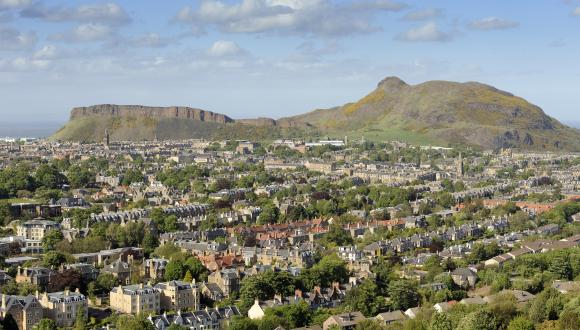
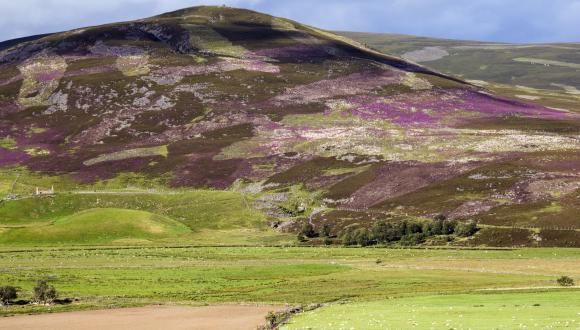
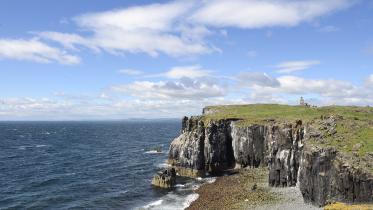
Scotland’s landscapes are unparalleled in Europe, thanks to their richness, diversity and distinctiveness.
Among other things, our landscapes:
- underpin our tourist industry
- influence perceptions of many of our products and services
- provide inspiration for the arts
- contribute to our identity
- provide the distinctiveness and sense of place that we value and enjoy
How our landscapes change over time, in response to natural forces and society’s needs, is critical – particularly as we’re better able to shape our surroundings today than ever before. This change should be actively guided to ensure that our landscapes continue to enrich lives and benefit Scotland.
Commit to Scotland’s Landscape Charter
Those who are engaged in decisions and activities that affect landscapes are encourage to support the Charter and the framework it provides through their ongoing work.
The Charter is accompanied by six best practice case studies from different settings across the country. These show how the framework can be applied and the positive outcomes that can be achieved:
Watch
- Duncan Mclean of Land Use Consultants describe the Claypits, Glasgow’s inner city Nature reserve.
- James Stead of RSPB introduce CLIMATE Forth.
- The Isle of Canna Community Development trust explain the Canna Infrastructure projects.
Further examples of best practice that meet the vision and principles of the Charter are welcome, e.g. from local government, businesses, landowners, energy providers, communities and professionals. They should be submitted via the Scotland's Landscape Alliance website.
Contacts
Get in touch if you have questions.
Landscape Group
Last updated: