Menu
NatureScot Logo NatureScot Logo
Close navigation
  • Home
  • About NatureScot
  • Climate change
  • Enjoying the outdoors
  • Funding and Projects
  • Gaelic
  • Information hub
  • Landforms and geology
  • Landscapes and habitats
  • Plants, animals and fungi
  • Professional advice
  • Scotland's Biodiversity

Guidance - Shrew trapping methods
https://www.nature.scot/doc/guidance-shrew-trapping-methods
Breadcrumb navigation
  • Information hub Information hub
    • About NatureScot
    • Climate change
    • Enjoying the outdoors
    • Funding and Projects
    • Gaelic
    • Landforms and geology
    • Landscapes and habitats
    • Plants, animals and fungi
    • Professional advice
    • Scotland's Biodiversity
  • Publications and documents Publications and documents
    • News
    • Podcasts
    • Blogs
    • Webinars
    • Seminars
    • Research
    • NatureScot data services
    • Trends, Indicators and Official Statistics
    • Newsletters
    • Archived Publications
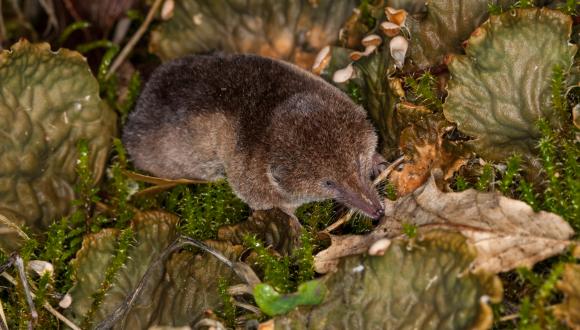
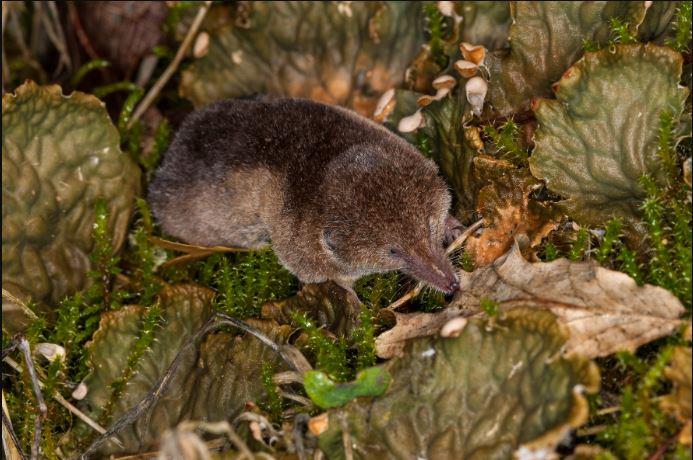
Shrew image

This document sets out which guidelines are to be followed in trapping of shrews to ensure that their mortality is minimised.

No formal training is required to set live capture small mammal traps, although if not adapted with a 12mm hole, their use must be licensed to cover intentional trapping of shrews. Setting them to ensure that shrew mortality is minimised requires certain guidelines to be followed. 

Some live capture traps allow for the sensitivity of the treadle to be adjusted. In practice this is not sufficient to prevent shrew capture.

These methods have been outlined to help prevent the unnecessary death of shrews by freezing, starvation and dehydration and contribute to reducing stress related mortality.

Time between checking 

Shrews are insectivores that need to feed every 3-4 hours. Traps therefore must be checked at least every 4 hours. At each inspection the following should be checked:

  • Food Leave food in the nest box. Use blow fly pupae (Calliphora spp.), called “casters” by the fishing fraternity, in sufficient numbers to provide 10g per trap. These can be frozen and used as required.
  • Bedding Leave bedding in the nest to provide insulation. Use clean, dry hay, non-absorbent cotton wool or shredded paper (to be changed if damp).
  • Cover Traps should be covered with surrounding vegetation or other, to insulate against extremes of temperature.
  • Position Traps must be stable and the nest chamber of the Longworth must be sloped to prevent water running into the bedding.
  • Adapting traps with 12mm hole A brass washer should be glued around the hole to prevent gnawing by rodents which can soon enlarge the hole. The brass washer should be glued using epoxy resin to the aluminium or plastic of live capture small mammal traps.

For more information: J Gurnell and JR Flowerdew. “Live Trapping Small Mammals – A Practical Guide”. Available from the Mammal Society 

Churchfield, S. 1990. “The Natural History of Shrews” Christopher Help pp161-166 

Little, J & J Gurness. “Shrew Captures and Rodent Field Studies” J. Zool., London (1989) 218, 329-331

Document downloads

Guidance for Trapping shrews

pdf, 111.12kB

Disclaimer: Scottish Natural Heritage (SNH) has changed its name to NatureScot as of the 24th August 2020. 
At the time of publishing, this document may still refer to Scottish Natural Heritage (SNH) and include the original branding. It may also contain broken links to the old domain.
If you have any issues accessing this document please contact us via our feedback form.

Feedback
  • Facebook
  • X
  • Whatsapp
  • Email

You may also be interested in

Shrews and licensing

NatureScot can issue licences to permit the trapping of shrews for survey, scientific, research or educational purposes.

12 Apr, 2017

Protected species: shrews

Though they are some of our smallest mammals, all shrew species found in Scotland are protected but only from trapping and certain methods of killing.

12 Apr, 2017

News and Blogs

Agreement for better nature and more secure food in Scotland

Strengthening the link between nature and sustainable farming in Scotland.

News - 19 June

With a Little Help From our Friends

An announcement that celebrates nature-based volunteering and citizen science

Blog - 6 June

New funds for venison supply chain

The third round of the Low Ground Venison Supply Chain Project was launched today (18 June) at the Royal Highland Show at Ingliston.

News - 18 June

Helping Scotland’s Rainforest thrive

Helping to restore Scotland’s precious rainforests by reducing deer grazing pressures.

Blog - 28 May

Crofters invited to share stories

Crofters in the Outer Hebrides are being sought for a new study exploring island crofting life, nature, and personal wellbeing.

News - 12 June

Croitearan gan sireadh airson sgrùdadh ùr

Rannsachadh air beatha croitearachd, nàdar ’s sunnd sna h-Eileanan

News - 12 June

View all news

View all blogs

Back to top Back to top

Quick Links

  • What we do
  • FAQs
  • Contact us
  • Our work
  • Licensing
  • Careers
  • Gaelic
  • Events
  • Sitemap
  • Publications & Documents
  • Board and Committees
  • NatureScot data services
  • Freedom of Information
  • LinkedIn
  • Facebook
  • Instagram
  • YouTube
  • Wordpress
  • Flickr


© NatureScot 2025

  • Privacy policy
  • Cookie policy
  • Accessibility
  • Copyright
  • Links policy
  • Feedback