Genetic Scorecard Indicator - Seagrass
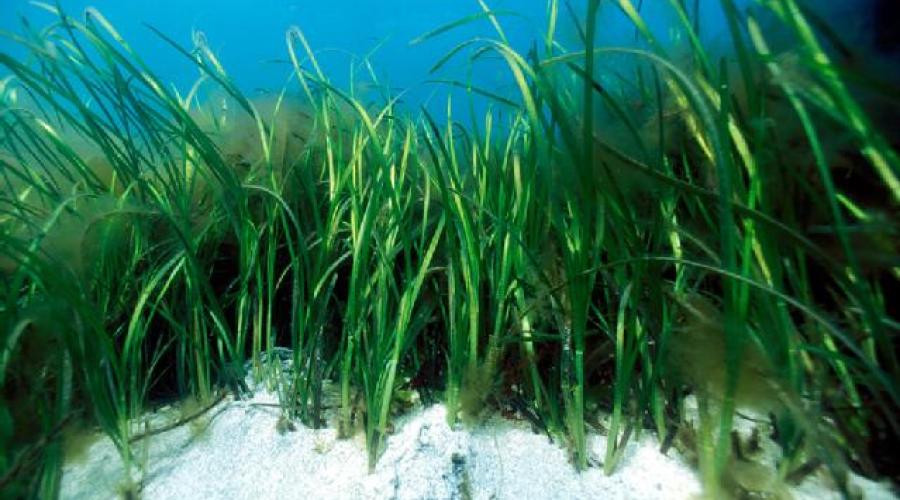
Seagrass or Eelgrass (Zostera marina)

IUCN Category:
- Great Britain: Vulunerable (indicated above)
- Europe: Near Threatened
- Global: Least Concern
- UK Red List of Ecosystems: Critical

Genetic Health Status:
- Scottish Risk: Moderate (indicated above)
- UK Risk: Moderate
- Scottish Mitigation status: Effectiveness unknown
- UK Mitigation status: Effectiveness unknown
Background
Zostera marina has a circumglobal distribution in the northern hemisphere (Green & Short, 2003; Olsen et al., 2016).
Eelgrass was a significant component of the natural heritage (Davidson and Hughes, 1998) but is now considered nationally scarce (Jones & Unsworth, 2016). Z. marina beds are now recorded primarily on the west and east coasts of Scotland and around Orkney and Shetland but also occur in southern England and Wales. Seagrass beds vary considerably in size, patchiness, plant density and environmental preference.
Seagrasses reproduce both sexually (flowering) and asexually (rhizome extension or rafting), yielding different patterns of genetic diversity throughout the range (Allcock et al., 2022). Z. marina has a wide salinity tolerance (10-35 ppt but prefers salinities above 20 ppt) and temperature tolerance (0 – 30oC, with optimal range between 10 and 20°C) (Lee et al., 2007).
The genome of Z. marina has been fully sequenced (Olsen et al., 2016). There are high levels of gene flow among some populations in close proximity as well as over long distances, whilst some populations in close proximity are genetically different (Reusch, 2002; Olsen et al., 2004; Muñiz-Salazar et al., 2005; Kendrick et al., 2012, 2017; Hays et al., 2021; Martínez-García et al., 2021; Alotaibi et al., 2022). Z. marina shows phenotypic plasticity and adaptation to local environments (DuBois et al., 2021; Allcock et al., 2022).
Seagrass beds formed by Zostera species are listed as an OSPAR Threatened and Declining Habitat and have been identified as a habitat requiring improved protection and, where appropriate, active restoration (OSPAR, 2022). Seagrass beds provide important ecosystem services. For example, providing nursery grounds for commercially important fish species, sediment stabilisation and long-term carbon stores (Lilley & Unsworth, 2014; Potouroglou et al., 2017, 2021; Scottish Government, 2020; Cunningham & Hunt, 2023).
Current Threats
Historically, seagrass beds in the North Atlantic were impacted by a wasting disease in the early 1930’s (Butcher, 1934) which has often been attributed as the main cause of declines (e.g. Den Hartog, 1983; Garrard and Beaumont, 2014) without consideration for the pervasive environmental degradation that occurred in the centuries before (Green et al., 2021).
Today, seagrasses are affected by degraded water quality and subsequent decreases in light penetration, particularly eutrophication resulting from agricultural runoff and overflow discharges (Orth et al., 2006; Burkholder et al., 2007; Waycott et al., 2009; Jones et al., 2018; Moreno-Marín et al., 2018). Pollution by herbicides and nitrates is also thought to increase the susceptibility of seagrasses to disease (Johnson & Burd, 1995; Hughes et al., 2018).
Physical disturbance via grazing (Short & Wyllie-Echeverria, 1996), trampling (Travaille et al., 2015), recreational fishing/harvesting (Garmendia et al., 2021), mooring and anchoring (Unsworth et al., 2017; Ouisse et al., 2020), and the use of mobile bottom fishing gear (Watling & Norse, 1998; Nordlund et al., 2018; Krause-Jensen et al., 2021) are all known to impact seagrass beds.
Development of coastal and marine infrastructure has been, and continues to be, a major driver of habitat loss (Waycott et al., 2009).
Introduced species can contribute to seagrass decline, to biodiversity changes that affect seagrass ecosystem functions and can compromise seagrass restoration (den Hartog, 1997; Williams, 2007).
Global climate change is expected to impact seagrass beds through increases in the frequency and intensity of storms, and associated surge and swells (Orth et al., 2006; Krause-Jensen et al., 2021), as well as elevated seawater temperatures (Breiter et al., 2024).
Contribution of Scottish/UK population to total species diversity
Scotland holds 20% of seagrass beds in north-west Europe (Tyler-Walter et al., 2016). There is no data available on genetic diversity within Scottish populations. However, a global comparison including populations of Z. marina from North Wales suggested differentiation of UK populations from other European populations, and the potential historic expansion of UK populations from glacial refugia in Ireland or north-west Scotland (Yu et al., 2023).
Genetic risks
Diversity loss: population declines
Seagrass have undergone large-scale declines in the Atlantic in recent decades, which may have eroded the genetic variation and genetic structure of Z. marina (Alotaibi et al., 2019; Martínez-García et al., 2021). Specifically for the UK, and depending on the timeframe considered, the long-term loss of seagrass habitats ranges from 44 to 92% (Green et al., 2021). The declines have led to increased fragmentation within the beds, as well as increased isolation between beds.
Global Biodiversity Framework Indicators
Population definitions:
Z. marina populations reflect the complex interplay between reproductive strategies, genetic structure, and environmental adaptation. Preliminary analysis of UK wide samples indicates the presence of four genetic clusters or populations of Z. marina representing the Scottish east coast, the Scottish west coast through to Wales and Northern Ireland, the Solway Firth (on the west coast) along the northwest English coast, and southeast England (Finger & Lilley, 2024).
Ne500:
Classifier: Genetic
The effective population size of European seagrass ranges between 1,000 and 100,000, with samples from the UK (Wales) at the higher end whilst those from Norway and Portugal were at the lower end (Yu et al., 2023). Although the method used for estimating Ne was not considered reliable for estimates at timescales of <1000 generations, this suggests that Ne has likely been met in UK populations.
- Proportion of populations with Ne > 500 in Scotland) = 3/3
- Proportion of populations with Ne > 500 in UK = 4/4
PM
- Proportion of populations maintained in Scotland = 3/3
- Proportion of populations maintained in UK = 4/4
Diversity loss: functional variation
Functional variation
There is considerable functional/ecotypic variation observed between eelgrass populations in different environments (Alotaibi et al., 2022).
The ability to adapt to changing environment is unknown, although seagrass meadows have been reported to persist in location for over 2000 years (Dahl et al., 2024).
The capacity of seagrass beds to recolonize lost habitat and adapt to changing environmental conditions is strongly dependent on genetic diversity and stepping stone populations (Hughes and Stachowicz, 2004; Ehlers et al., 2008; Jahnke et al., 2018). The genetic structure of the population is influenced by the proportions of asexual (clonal growth and floating rafts of shoots) and sexual (seedling recruitment) reproduction occurring. Pollen and seed dispersal, and seed survival are the key drivers of genetic differentiation (Barañano et al., 2022). ~150 km is considered the natural limit for dispersal within the European metapopulation (Olsen et al., 2004). Hence it is possible that loss of individuals populations could result in loss of functional variation
Divergent lineages
Some seagrass beds exhibit high levels of sexual reproduction, whilst others do not and instead comprise a single large clone (Jahnke et al., 2018, 2020; Ries et al., 2023). Because of this, the risk of loss of divergent lineages as a result of translocation and restoration projects is high. For example, a donor population may be genetically diverse (as measured by gene diversity and number of alleles per locus), but genotypically depauperate if all individuals in a donor population are members of one clone (Coyer et al., 2008).
With a recorded 42% loss of seagrass habitat in the UK and an estimated 92% loss since the 1900s (Greene et al., 2021), the likelihood that certain populations from restricted areas have been lost completely, possibly harbouring unique genetic and functional diversity, is high.
Hybridisation/Introgression
In the UK, Z. marina naturally co-occurs with Z. noltii. There has been no record of hybridization to date. However, hybridisation between Z. marina with Z. pacifica has been recorded in the USA, which has been linked to translocation projects (Coyer et al., 2008).
Low turnover - constraints on adaptive opportunities
Z. marina utilizes both asexual and sexual reproduction to grow, persist, and recover in dynamic environments. The species can spread via clonal growth (rhizome lengthening), the arrival, germination and survival of seedings and the reestablishment of vegetated fragments. Asexual reproduction will limit genetic turnover and, therefore, constrain adaptive opportunities (Reusch et al., 2021). Increased fragmentation and isolation of beds may also constrain adaption potential.
However, the reproductive strategy that dominates within a seagrass bed can be highly variable across latitudes and environmental conditions, with some populations altering their reproductive pattern over time to adapt to new conditions (Meling-López & Ibarra-Obando, 1999; Salo & Pedersen, 2014; Qin et al., 2014; Vercaemer et al., 2021). This perennial species may convert to an annual, leading to increased genetic diversity (Allcock et al., 2022). A disconnect between seed and adult genetic structure across depths has been noted, suggesting that sexual reproductive system interacts with abiotic and biotic factors to determine genetic diversity across environmental gradients and life history stages (Hays et al., 2021; Martínez-García et al., 2021).
Cumulative Risk Summary
Overall Genetic Health Status
Scotland
- Risk: Moderate
- Mitigation: Effectiveness unknown
Great Britain/UK
- Risk: Moderate
- Mitigation: Effectiveness unknown
There are multiple potential threats to local populations, and thus genetic diversity, but relatively little baseline /monitoring data available at a national level.
Overall Genetic Health status explanation
The relationships between environment, flowering, and genetic diversity in Z. marina are complex. This, and the lack of data on population structure and local adaptation, remain a key challenge for conservation and management (Hays et al., 2021).
Historic population losses, combined with data suggesting localised population structure in UK Z. marina, suggest that unique populations and their genetic diversity may already have been lost. Declines in populations are predicted to continue, as extreme weather events increase in frequency, sea levels rise and coastal environments fail to improve (Alotaibi et al., 2019; Scalpone et al., 2020; OSPAR, 2022).
Mitigation of genetic losses through passive conservation efforts are in place, though their effectiveness is unknown due to the lack of baseline genetic data. Impacts of active restoration efforts on genetic diversity are unknown. Mitigation measures have been outlined for active restoration approaches, but uptake of mitigation by active projects is unknown.
In situ genetic threat level
In situ genetic threat level
- In situ Risk for Scotland: Moderate
- In situ Risk for UK: Moderate
Small, fragmented populations, continued water quality declines and other anthropogenic impacts present ongoing genetic risks.
Confidence in in situ threat level
- Confidence score for Scotland: High
- Confidence score for UK: High
Assessment based on extensive, largely non-UK, genetic data, known biology and some understanding of population differentiation.
Ex situ representation
Whilst some work has been undertaken, there is currently no standard protocol for Z. marina seed storage, with the optimal conditions remaining unclear. Seagrass seeds are desiccation-sensitive, with salinity and temperature being the main factors ensuring the seeds remain viable and dormant (Thomson, 2022).
Seagrass nurseries have been developed in England and Wales and may act as biobanks for ex-situ populations in the future. (Project Seagrass).
Current conservation actions
Current management measures for seagrass are mainly focused on marine protected areas. Measures include closure of seagrass beds to bait digging/hand gathering for cockles; prevention of anchoring, mooring and demersal fishing activities through both voluntary and regulatory measures; run off management to control risk of eutrophication (e.g. diffuse water pollution plans and catchment sensitive farming); and recommended refusal of consent for activities or development within MPAs, that would create localized changes in water temperatures, salinity, exposure etc.
There are over 40 protected sites in the UK with seagrass as a designated feature or component habitat of a designated feature. Seagrass beds are also a priority marine feature (PMF) in Scotland’s seas, which means that National Marine Plan General Policy GEN 9b applies. This ensures that development and use of the marine environment does not have a significant effect on their national status. It is expected that additional inshore fisheries measures linked to MPA and PMF management areas in Scottish waters for fishing gear to which this habitat is sensitive to will be consulted upon in 2025/26.
As supported by the restoration ambitions outlined in the Scottish Biodiversity Strategy to 2045, seagrass restoration projects are underway throughout Scotland. Similar restoration projects are also taking place elsewhere in the UK. Restoration and transplantation efforts need to recognize and consider the degree of both genetic and genotypic variation in candidate donor populations. To ensure genetic diversity is maintained, Gamble et al. (2021) recommend that restoration projects should:
- Mix plant material from different source populations, which should have positive effects on the survival and reproductive success of reintroduced plants.
- Avoid sampling clones from the source population. Noting that some large populations consist of only one clone and are therefore less suited to being a source population for restoration projects.
- Facilitate genetic rescue, ensuring there is gene flow between restoration sites, either by placing sites in close proximity to each other, or by artificial gene flow.
- Select restoration sites to ensure gene flow between nearby natural sites. How close sites need to be to ensure gene flow depends on currents and the dispersal abilities.
- Avoid using geographically distant source populations. Z. marina has dispersal distances of up to hundreds of kilometres.
However, application of these recommendations remains inconsistent, with limitations such as source seed material, and difficulties in licensing and logistics, leading to long distant movement of seed material, and the use of material from very few populations.
| Ex situ | Translocation | Habitat management | Legal protection of habitat or species | Control of INNS/pests/pathogens |
|---|---|---|---|---|
| X (Seagrass nurseries) | X | X | X | - |
Population assessment/monitoring
Population
Demographic
Scotland: Routine monitoring of protected sites with intertidal and subtidal seagrass is undertaken at irregular intervals depending on the prioritisation and risks identified by NatureScot and Marine Directorate.
- N pops assessed/monitored in Scotland = 3/3
UK (excluding Scotland): Routine monitoring of intertidal seagrass is undertaken using methods developed under the Water Environment Regulations in England and Wales by the Environment Agency.
- N pops assessed/monitored in UK = 4/4
Genetic
Scotland: Baseline collection and analysis of populations around Scotland has been undertaken (Finger and Lilley, 2024). Specific data on the number of populations genetically monitored is limited and likely to be ad hoc.
- N pops assessed/monitored in Scotland = 3/3
UK: Genetic monitoring is noted as part of various conservation and research initiatives across the UK, though detailed numbers of populations monitored are not always specified and is likely to be ad hoc.
- N pops assessed/monitored in UK = 4/4
Further Research
- Improved understanding of local adaptation and ecotypes in Z. marina
- Improved understanding of sexual and asexual reproduction, its drivers, and its implications for population genetics and adaptation in Z. marina
- Improved mapping of seagrass habitat and its connectivity in Scotland
- Integrate genetic management and monitoring into seagrass restoration efforts.
References
Allcock, K.E., Kamel, S.J., Willeboordse, P.L., Long, Z.T., Jarvis, J.C. (2022). Spatiotemporal variation in patterns of genetic diversity, genetic structure, and life history across Zostera marina meadows in North Carolina, USA. Marine Ecology Progress Series, 683, 53–66.
Alotaibi NM, Kenyon EJ, Bertelli CM, Al-Qthanin RN, Mead J, Parry M and Bull JC (2022) Environment predicts seagrass genotype, phenotype, and associated biodiversity in a temperate ecosystem. Frontiers in Plant Science, 13, 887474.
Alotaibi, N.M., Kenyon, E.J., Cook, K.J. et al. (2019). Low genotypic diversity and long-term ecological decline in a spatially structured seagrass population. Scientific Reports, 9, 18387.
Barañano, C, Fernández, E, Morán, P, Urbieta, P, and Méndez, G (2022). Population dynamics of a fragmented subtidal Zostera marina population affected by shell fishing. Estuarine, Coastal and Shelf Science, 269, 107818.
Breiter, AL, Sokoloski, CT, Yang, S and Gaeckle, JL (2024). Effect of prolonged seawater warming on Zostera marina ecotypes of the northeast Pacific. Journal of Experimental Marine Biology and Ecology, 578, 152036.
Burkholder, J.M., Tomasko, D.A. & Touchette, B.W. (2007). Seagrasses and eutrophication. Journal of Experimental Marine Biology and Ecology, 350, 46–72.
Butcher, R. W. (1934). Zostera. Report on the present condition of eel grass on the coasts of England, based on a survey during August to October, 1933. ICES Journal of Marine Science, 9, 49–65.
Coyer JA, Miller KA, Engle JM, Veldsink J, Cabello-Pasini A, Stam WT, Olsen JL. (2008). Eelgrass meadows in the California Channel Islands and adjacent coast reveal a mosaic of two species, evidence for introgression and variable clonality. Ann Bot., 101, 73-87.
Cunningham, C. and Hunt, C. (2023). Scottish Blue Carbon - a literature review of the current evidence for Scotland’s blue carbon habitats. NatureScot Research Report 1326
Dahl, M., Gullström, M., Bernabeu, I., Serrano, O., Leiva-Dueñas, C., Linderholm, H. W., et al. (2024). A 2,000-year record of eelgrass (Zostera marina L.) colonization shows substantial gains in blue carbon storage and nutrient retention. Global Biogeochemical Cycles, 38, e2023GB008039
Davidson, D. & Hughes, D. (1998). Zostera Biotopes (volume I). An overview of dynamics and sensitivity characteristics for conservation management of marine SACs. UK Marine SACs Project. 95.
den Hartog, C. (1983). Stuctural uniformity and diversity in Zostera-dominated communities in Western Europe. Marine Technology Society Journal, 17, 6–14.
den Hartog, C. (1997). Is Sargassum muticum a threat to eelgrass beds? Aquatic Botany, 58, 37-41.
DuBois, K, Williams, S, Stachowicz, J. (2021). Experimental warming enhances effects of Eelgrass genetic diversity via temperature-induced niche differentiation. Estuaries and Coasts, 44, 545-557.
Ehlers, A., Worm, B., Reusch, T.B., (2008). Importance of genetic diversity in eelgrass Zostera marina for its resilience to global warming. Marine Ecology Progress Series, 355, 1–7.
Finger, A. and Lilley, R. (2024). Genetic analysis of Zostera sp. samples from the East of England: A regional case-study of the genetic diversity of Zostera sp. across the UK. Natural England Commissioned Report NECR521.
Gamble C., Debney, A., Glover, A., Bertelli, C., Green, B., Hendy, I., Lilley, R., Nuuttila, H., Potouroglou, M., Ragazzola, F., Unsworth, R. and Preston, J, (eds) (2021). Seagrass Restoration Handbook. Zoological Society of London, UK., London, UK.
Garmendia, J.M., Valle, M., Borja, A., Chust, G., Rodrígues, J.G. & Franco, J. (2021). Estimated footprint of shellfishing activities in Zostera noltei meadows in a northern Spain estuary: Lessons for management. Estuarine, Coastal and Shelf Science, 254, 107320
Garrard, S. L., and Beaumont, N. J. (2014). The effect of ocean acidification on carbon storage and sequestration in seagrass beds; a global and UK context. Marine Pollution Bulletin, 86, 138–146.
Green, A. E., Unsworth, R. K. F., Chadwick, M. A., and Jones, P. J. S. (2021). Historical analysis exposes catastrophic Seagrass loss for the United Kingdom. Frontiers in Plant Science, 12, 629962
Green, E. P. & Short, F. T. (2003). World Atlas of Seagrasses. University of California Press.
Hays, C. G., Hanley, T. C., Graves, R. M., Schenck, F. R., and Hughes, A. R. (2021). Linking spatial patterns of adult and seed diversity across the depth gradient in the Seagrass Zostera marina L. Estuaries and Coasts, 44, 383–395.
Hughes, R.G., Potouroglou, M., Ziauddin, Z. & Nicholls, J.C. (2018). Seagrass wasting disease: Nitrate enrichment and exposure to a herbicide (Diuron) increases susceptibility of Zostera marina to infection. Marine Pollution Bulletin, 134, 94-98.
Hughes, A.R. and Stachowicz, J.J., 2004. Genetic diversity enhances the resistance of a seagrass ecosystem to disturbance. Proceedings of the National Academy of Sciences, 101(24), pp.8998-9002.
Jahnke, M., Jonsson, P. R., Moksnes, P.-O., Loo, L. -O., Nilsson Jacobi, M., and Olsen, J. L. (2018). Seascape genetics and biophysical connectivity modelling support conservation of the seagrass Zostera marina in the Skagerrak-Kattegat region of the eastern North Sea. Evolutionary Applications, 11, 645–661.
Jahnke, M., Moksnes, P. -O., Olsen, J. L., Serra Serra, N., Nilsson Jacobi, M., Kuusemäe, K., et al. (2020). Integrating genetics, biophysical, and demographic insights identifies critical sites for seagrass conservation. Ecological Applications, 30, e02121.
Johnson, J.R. & Bird, K.T. (1995). The effects of the herbicide atrazine on Ruppia maritima L. growing in autotrophic versus heterotrophic cultures. Botanica Marina, 38, 307-312.
Jones, B.L. & Unsworth, R.K.F. (2016). The perilous state of seagrass in the British Isles. Royal Society Open Science, 3, 150596.
Jones, B.L., Cullen-Unsworth L.C., & Unsworth R.K.F. (2018). Tracking nitrogen source using δ15N reveals human and agricultural drivers of seagrass degradation across the British Isles. Frontiers in Plant Science, 9, 133.
Kendrick, G.A., Orth, R.J., Statton, J., Hovey, R., Ruiz Montoya, L., Lowe, R.J., Krauss, S.L. & Sinclair, E.A., (2017). Demographic and genetic connectivity: the role and consequences of reproduction, dispersal and recruitment in seagrasses. Biological Reviews, 92 (2), 921-938.
Kendrick, G.A., Waycott, M., Carruthers, T.J.B., Cambridge, M.L., Hovey, R., Krauss, S.L., Lavery, P.S., Les, D.H., Lowe, R.J., Vidal, O.M.i., Ooi, J.L.S., Orth, R.J., Rivers, D.O., Ruiz-Montoya, L., Sinclair, E.A., Statton, J., van Dijk, J.K. & Verduin, J.J., 2012. The central role of dispersal in the maintenance and persistence of seagrass populations. BioScience, 62 (1), 56-65.
Krause-Jensen, D., Duarte, C.M., Sand-Jensen, K. & Carstensen, J. (2021). Century-long records reveal shifting challenges to seagrass recovery. Global Change Biology, 27, 563–575.
Lee K.-S., Park S.R., Kim Y.K. (2007). Effects of irradiance, temperature, and nutrients on growth dynamics of seagrasses: a review. Journal of Experimental Marine Biology and Ecology, 350, 144–175.
Lilley, R.J. and Unsworth, R.K.F. (2014). Atlantic Cod (Gadus morhua) benefits from the availability of seagrass (Zostera marina) nursery habitat. Global Ecology and Conservation, 2, 367-377.
Martínez-García, L., Hansson, B. & Hollander, J. (2021). Assessment of local genetic structure and connectivity of the common eelgrass (Zostera marina) for seagrass restoration in northern Europe. Marine Ecology Progress Series, 664, 103-116
Meling-López, A.E. & Ibarra-Obando, S.E. (1999). Annual life cycles of two Zostera marina L. populations in the Gulf of California: contrasts in seasonality and reproductive effort. Aquatic Botany, 65(1–4): 59–69.
Moreno-Marín, F., Brun, F.G. & Pedersen, M.F., 2018. Additive response to multiple environmental stressors in the seagrass Zostera marina L. Limnology and Oceanography, 63, 1528-1544.
Muñiz-Salazar R, Talbot SL, Sage GK, Ward DH, Cabello-Pasini A. (2005). Population genetic structure of annual and perennial populations of Zostera marina L. along the Pacific coast of Baja California and the Gulf of California. Molecular Ecology, 14, 711–722.
Nordlund, L.M., Cullen-Unsworth, L.C., Unsworth, R.K.F. & Gullstrom, M. (2018). Global significance of seagrass fishery activity. Fish and Fisheries, 19, 399–412.
Olsen, J.L., Stam, W.T., Coyer, J.A., Reusch, T.B.H., Billingham, M., Boström, C., et al. (2004). North Atlantic phylogeography and large-scale population differentiation of the seagrass Zostera marina L. Molecular Ecology, 13, 1923–1941.
Olsen, J.L., Rouzé, P., Verhelst, B., Lin, Y.C., Bayer, T., Collen, J., et al. (2016). The genome of the seagrass Zostera marina reveals angiosperm adaptation to the sea. Nature, 530(7590), 331-335.
Orth, R.J., Luckenbach, M.L., Marion, S.R., Moore, K.A., & Wilcox, D.J. (2006). Seagrass recovery in the Delmarva coastal bays, USA. Aquatic Botany, 84, 26–36.
OSPAR (2022). Status Assessment – Zostera beds
Ouisse, V., Marchand-Jouravleff, I., Fiandrino, A., Feunteun, E. & Ysnel, F. (2020). Swinging boat moorings: Spatial heterogeneous damage to eelgrass beds in a tidal ecosystem. Estuarine, Coastal and Shelf Science, 235, 106581.
Potouroglou, M., Bull, J.C., Krauss, K.W. et al. (2017). Measuring the role of seagrasses in regulating sediment surface elevation. Scientific Reports, 7, 11917
Potouroglou, M., Whitlock, D., Milatovic, L., MacKinnon, G., Kennedy, H., Diele, K., Huxham, M. (2021). The sediment carbon stocks of intertidal seagrass meadows in Scotland. Estuarine, Coastal and Shelf Science, 258, 107442
Qin, L.Z., Li, W.T., Zhang, X.M., Nie, M. & Li, Y. (2014). Sexual reproduction and seed dispersal pattern of annual and perennial Zostera marina in a heterogeneous habitat. Wetlands Ecology and Management, 22(6), 671–682.
Reusch, T.B.H. (2002). Microsatellites reveal high population connectivity in eelgrass (Zostera marina) in two contrasting coastal areas. Limnology and Oceanography 47: 78–85.
Reusch, T.B.H., Baums, I.B., Werner, B. (2021). Evolution via somatic genetic variation in modular species. Trends in Ecology & Evolution, 36 (12), 1083-1092.
Ries SR, Faust E, Johannesson K, Jonsson PR, Moksnes P-O, Pereyra RT, Jahnke M (2023). Genetic structure and diversity of the seagrass Zostera marina along a steep environmental gradient, with implications for genetic monitoring. Frontiers in Climate, 5
Salo, T. & Pedersen, M.F. (2014). Synergistic effects of altered salinity and temperature on estuarine eelgrass (Zostera marina) seedlings and clonal shoots. Journal of Experimental Marine Biology and Ecology, 457: 143–150
Scalpone, C.R., Jarvis, J.C., Vasslides, J.M., Testa, J.M. and Ganju, N.K. (2020). Simulated Estuary-Wide Response of Seagrass (Zostera marina) to Future Scenarios of Temperature and Sea Level. Frontiers in Marine Science, 7, 539946
Scottish Government (2020). Scottish Marine Assessment – Intertidal Seagrass
Short, F.T. & Wyllie-Echeverria, S. (1996). Natural and human-induced disturbance of seagrasses. Environmental Conservation, 23, 17-27.
Thomson, L. (2022). Conservation of Zostera marina: evaluating the effectiveness of seed storage conditions for restoration. Sibbaldia: The International Journal of Botanic Garden Horticulture, (22).
Short, F.T. & Wyllie-Echeverria, S. (1996). Natural and human-induced disturbance of seagrasses. Environmental Conservation, 23, 17-27.
Thomson, L. (2022). Conservation of Zostera marina: evaluating the effectiveness of seed storage conditions for restoration. Sibbaldia: The International Journal of Botanic Garden Horticulture, (22). https://journals.rbge.org.uk/rbgesib/article/view/1995/1898
Travaille, K.L., Salinas-de-León, P. and Bell, J.J. (2015). Indication of visitor trampling impacts on intertidal seagrass beds in a New Zealand marine reserve. Ocean & Coastal Management, 114, 145-150.
Tyler-Walters, H., James, B., Carruthers, M. (eds.), Wilding, C., Durkin, O., Lacey, C., Philpott, E., Adams, L., Chaniotis, P.D., Wilkes, P.T.V., Seeley, R., Neilly, M., Dargie, J. & Crawford-Avis, O.T. (2016). Descriptions of Scottish Priority Marine Features (PMFs). Scottish Natural Heritage Commissioned Report No. 406
Unsworth, R.K.F., Williams, B., Jones, B.L. & Cullen-Unsworth, L.C. (2017). Rocking the Boat: Damage to Eelgrass by Swinging Boat Moorings. Frontiers in Plant Science, 8, 1309.
Vercaemer, B.M., Scarrow, M.A., Roethlisberger, B., Krumhansl, K.A. & Wong, M.C. (2021). Reproductive ecology of Zostera marina L. (eelgrass) across varying environmental conditions. Aquatic Botany, 175, 103444.
Watling, L. & Norse, E.A. (1998). Disturbance of the seabed by mobile fishing gear: A comparison to forest clearcutting. Conservation Biology, 12, 1180-1197.
Waycott, M., Duarte, C.M., Carruthers, T.J.B. et al. (2009). Accelerating loss of seagrasses across the globe threatens coastal ecosystems. Proceedings of the National Academy of Sciences, 106, 12377-12381.
Williams, S.L. (2007). Introduced species in seagrass ecosystems: Status and concerns. Journal of Experimental Marine Biology and Ecology, 350, 89-110.
Yu, L., Khachaturyan, M., Matschiner, M. et al. (2023). Ocean current patterns drive the worldwide colonization of eelgrass (Zostera marina). Nature Plants 9, 1207–1220.
Assessor: Eunice Pinn, NatureScot
Reviewer:
- Brodie Thomas, NatureScot
- Kelly James. NatureScot
- Alex Thomson, Seawilding
- Aline Finger, Royal Botanic Gardens Edinburgh