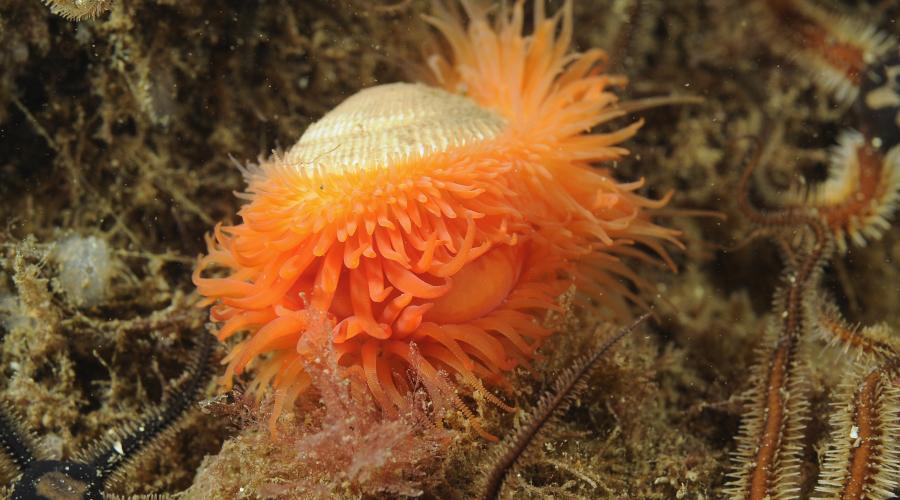
Priority Marine Features in Scotland's seas
Priority Marine Features (PMFs) are a prioritised list of habitats and species that help focus marine nature conservation action in Scottish waters.
PMFs Information Hub
Priority Marine Features are a prioritised list of habitats and species of conservation importance, which help to focus action and to achieve our vision for sustaining Scotland’s seas.
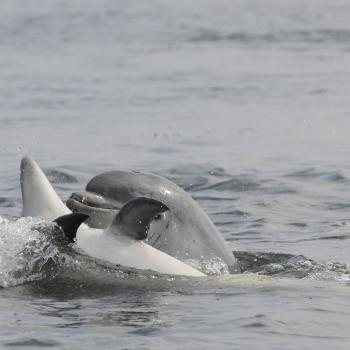
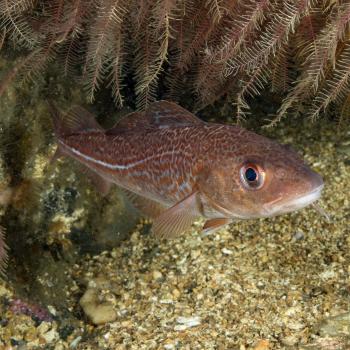
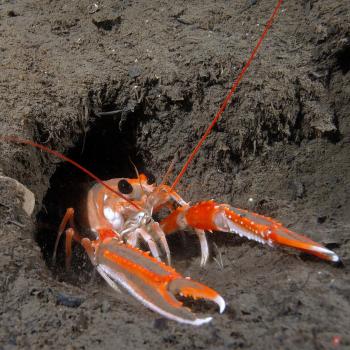
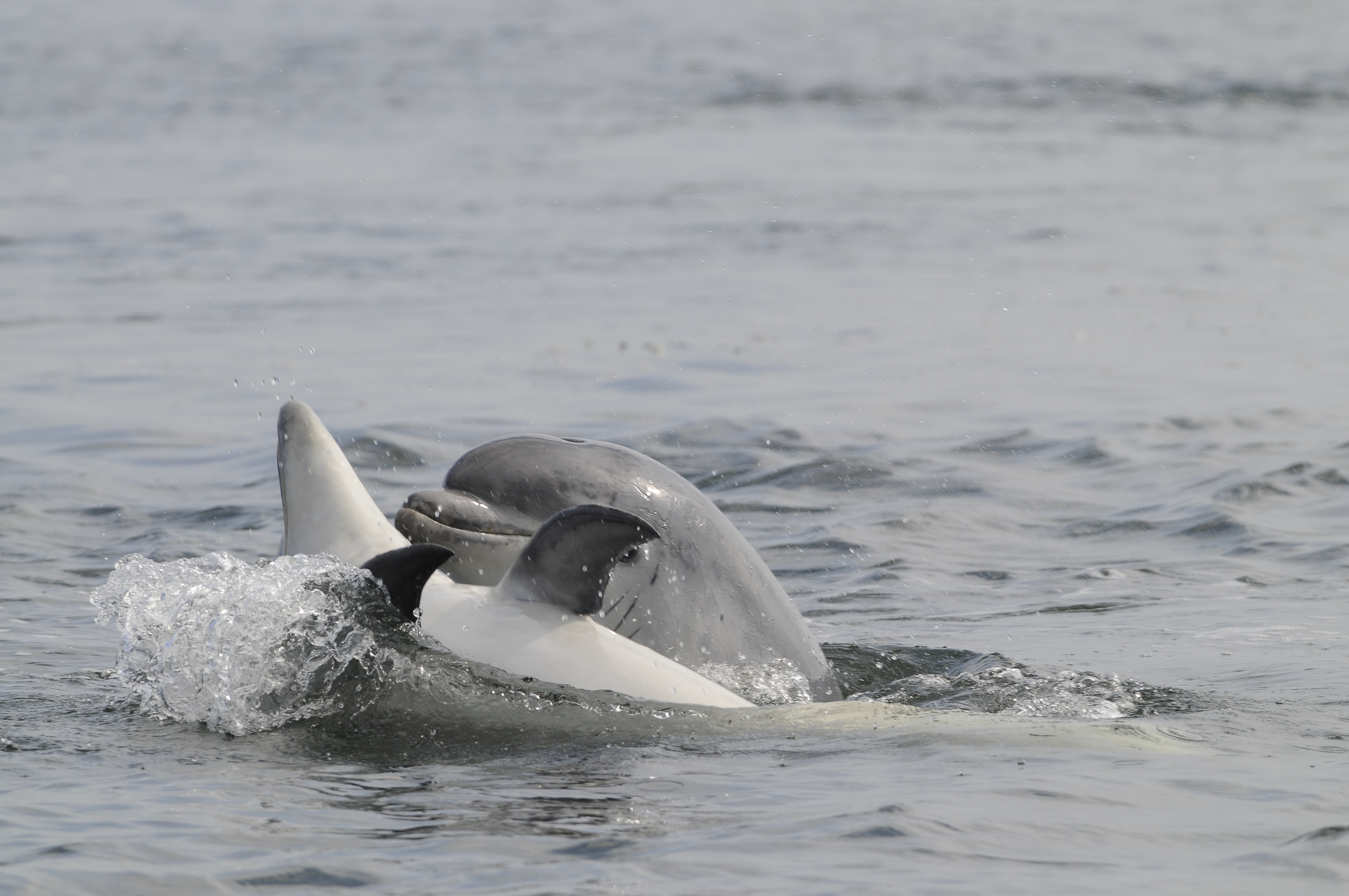
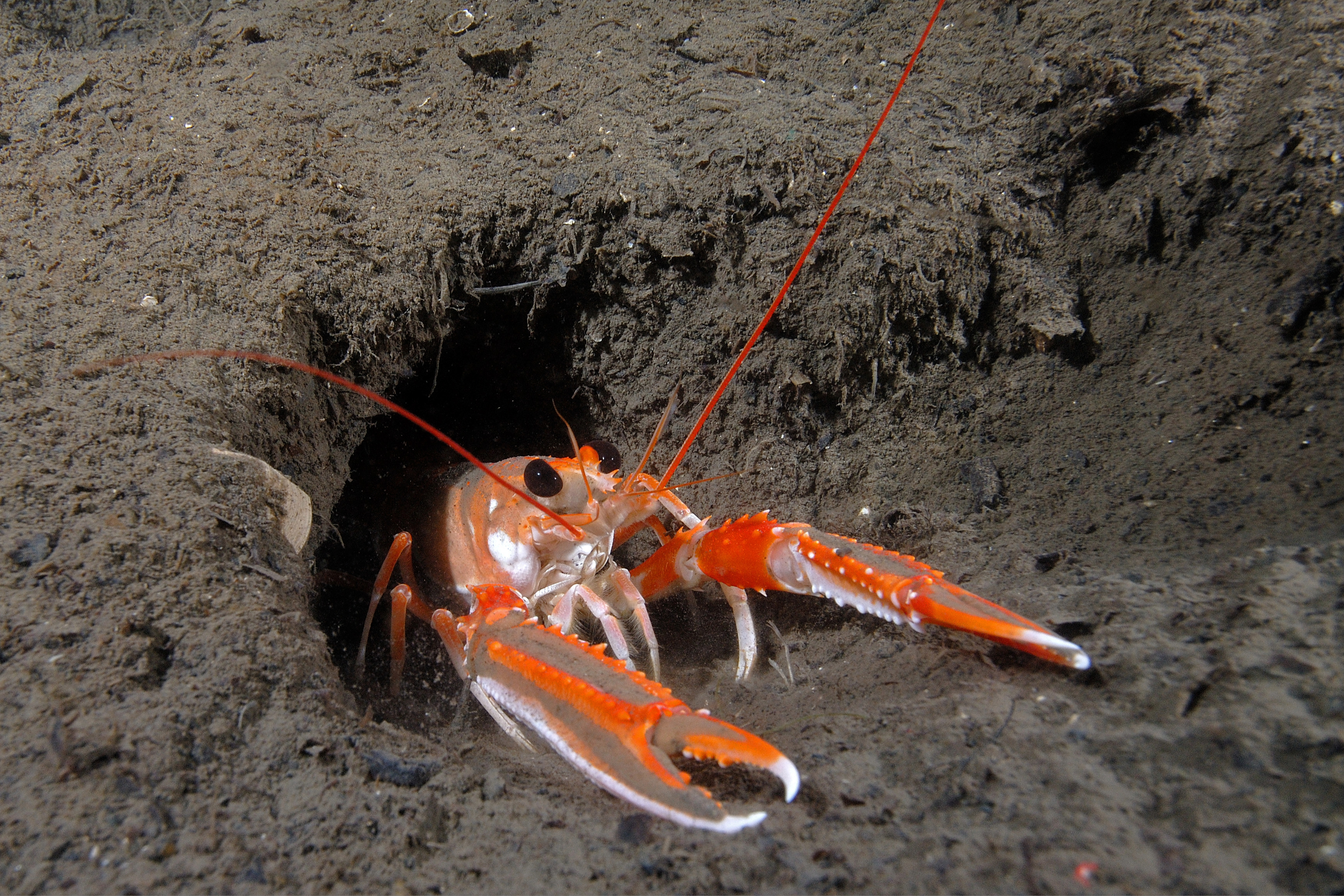
Scotland's seas are full of life and rich in colour. They are home to thousands of species of animals and plants and feature a wide range of important habitat types. From species that we are all familiar with, such as cod, haddock, plaice, scallops and Nephrops (scampi) to large mobile animals including flapper skate, basking shark, seals and several species of whales and dolphins.
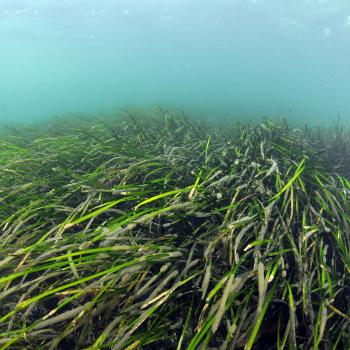
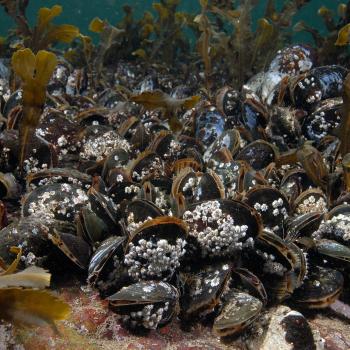
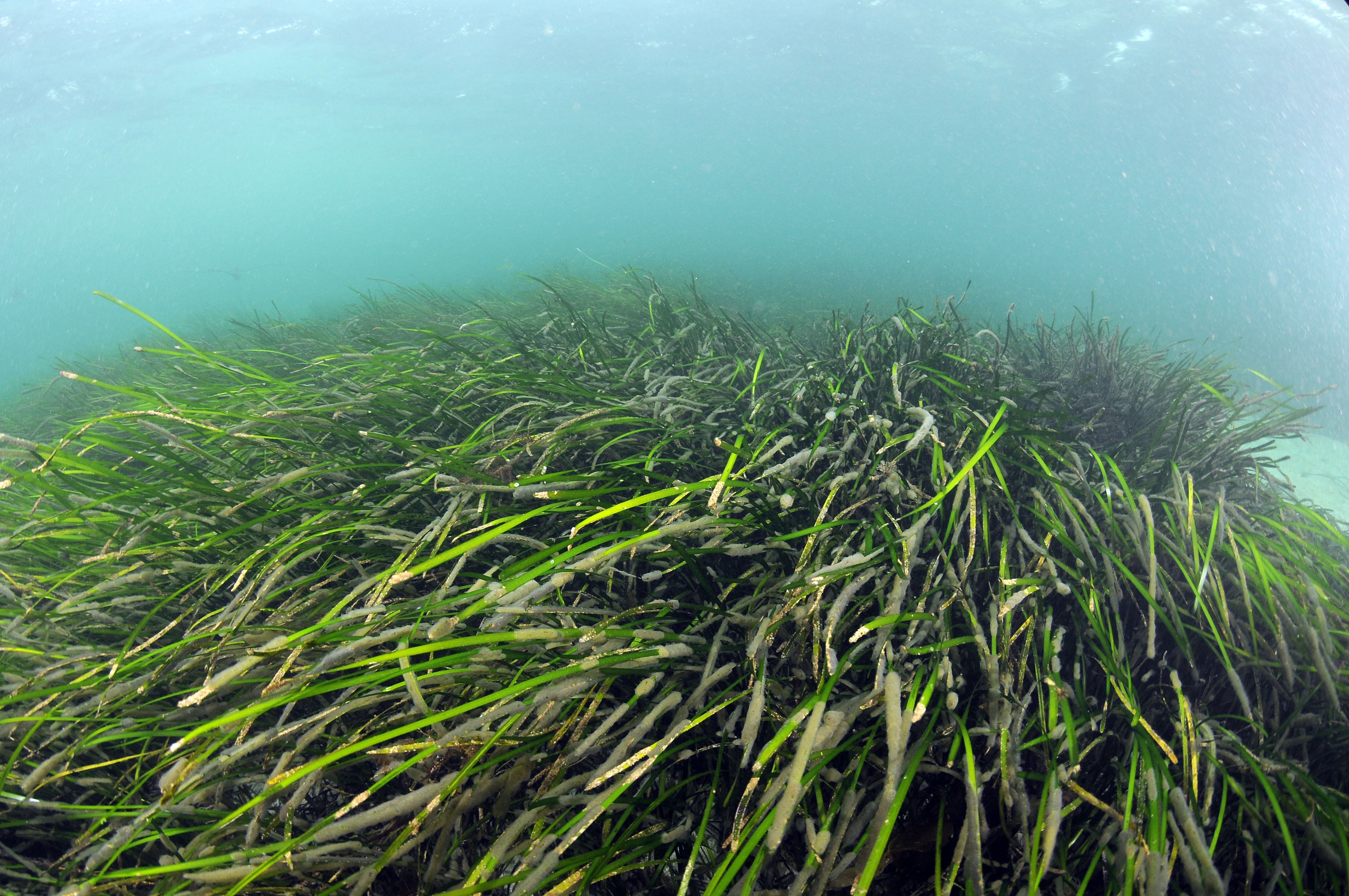
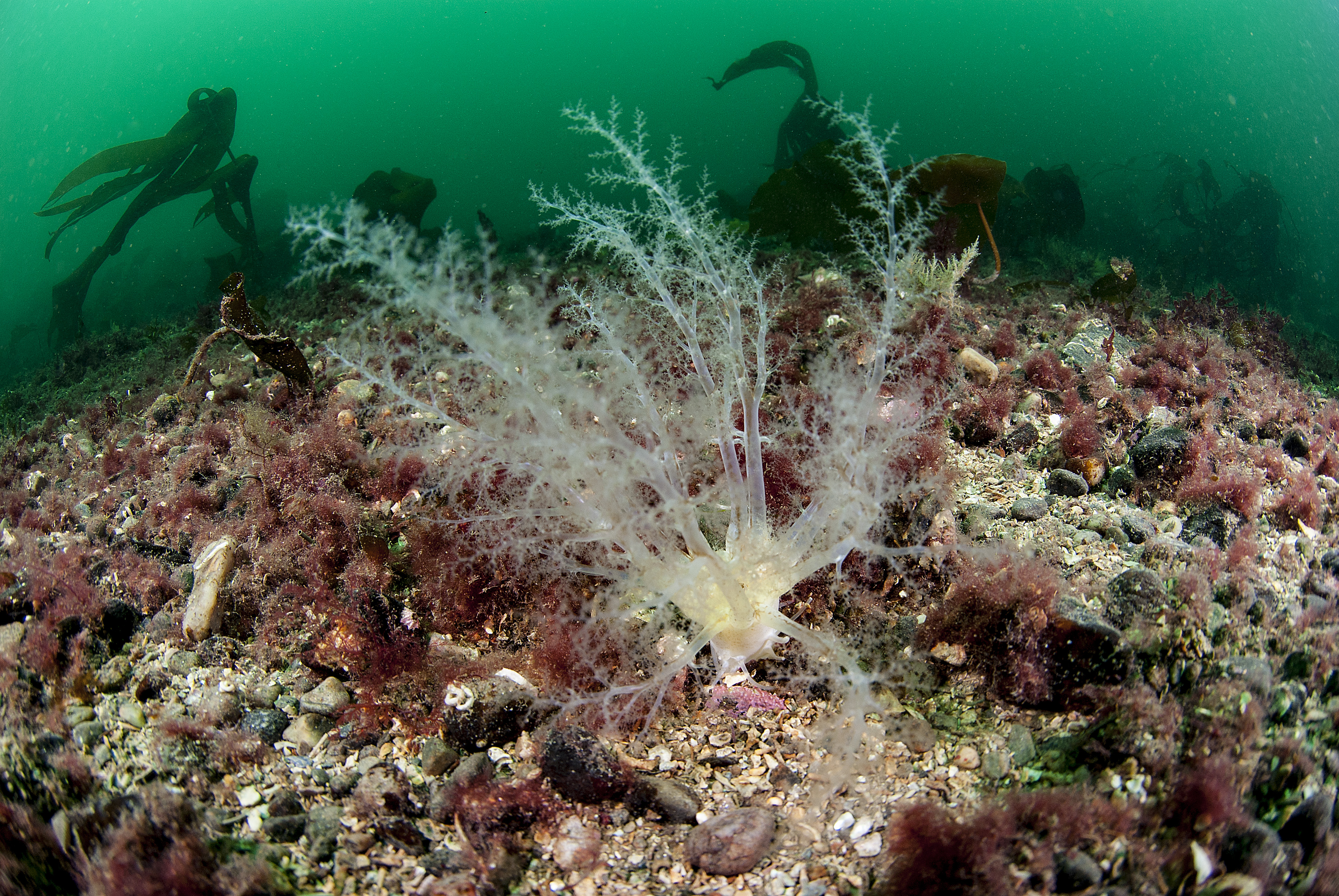
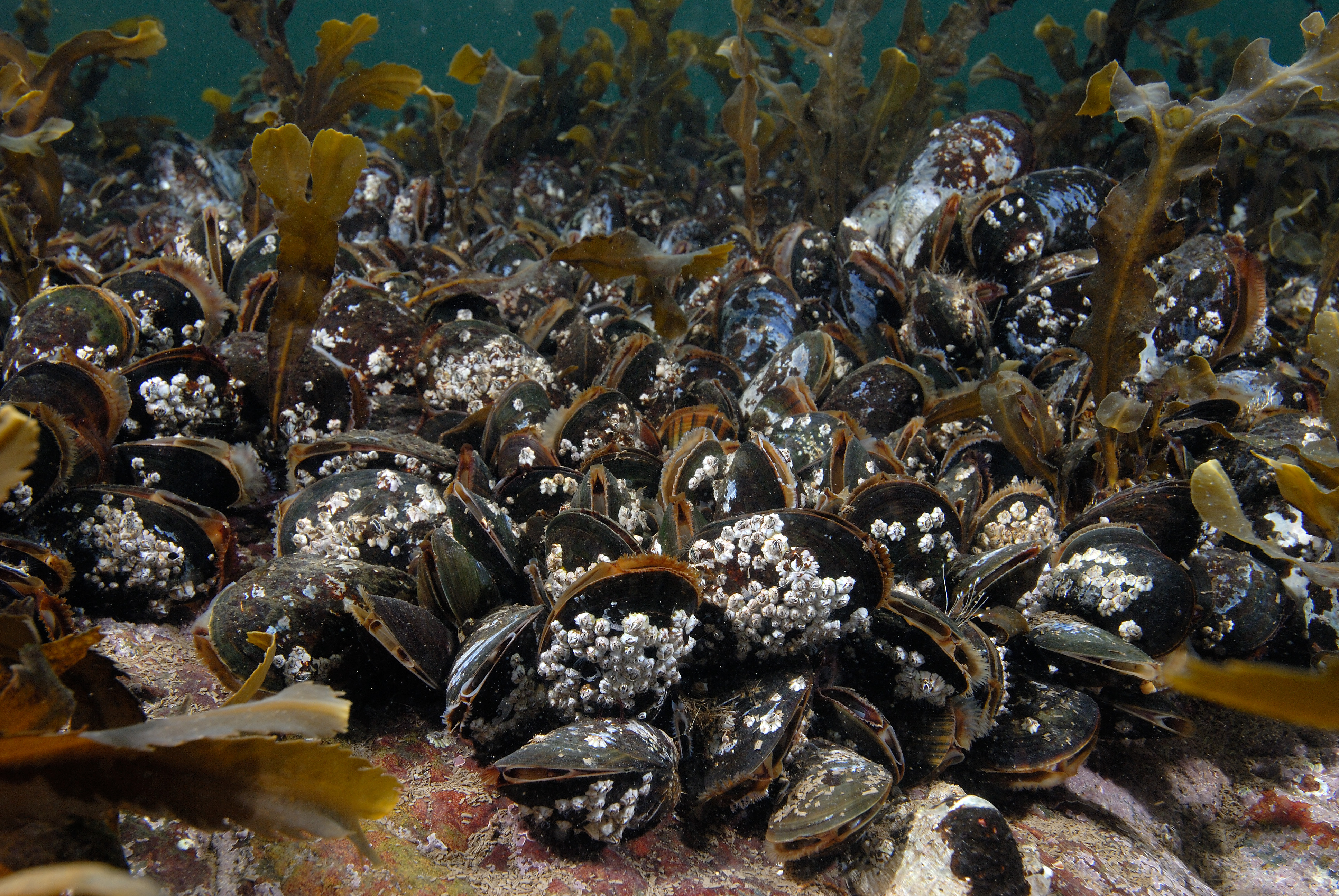
There are also numerous lesser-known wonderful creatures like sea pens, northern sea fans, feather stars and serpulid worms, which, together with a myriad of seaweeds, sponges and anemones give the seabed structure, variety and colour. Some crucial plants and animals combine in great numbers to create special habitats, or homes, upon which the other wildlife in our seas depend. Species like flame shells, blue mussels, horse mussels, maerl and seagrass, which form large beds on the sea floor providing shelter and important nursery areas for other wildlife.
All of these habitats and species, from tiny plankton to the giant basking shark, are linked in a complex food web. For our seas to remain healthy, every part must thrive. Protecting Scotland’s Priority Marine Features means ensuring that all these elements flourish, securing a sustainable future for both marine life and the industries that rely on it.
In July 2014, Scottish Ministers adopted a list of 81 priority marine features (PMFs) – many of which are features characteristic of the Scottish marine environment. In 2015 Scotland's first National Marine Plan was adopted providing policy protection for PMFs (General Policy 9).
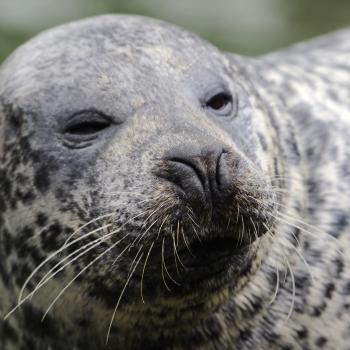
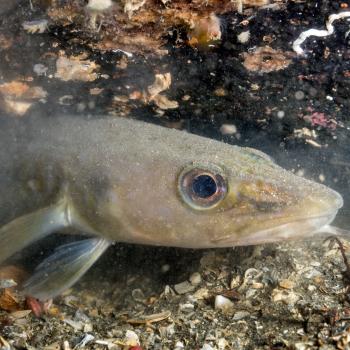
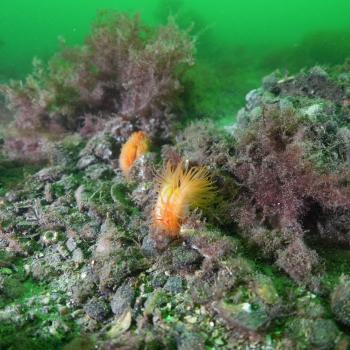
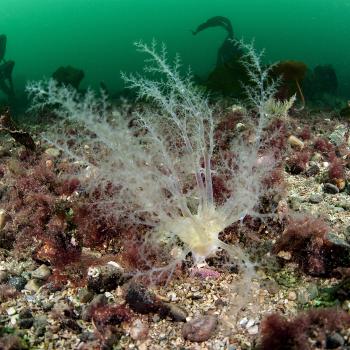
Various Priority Marine Feature habitats and species

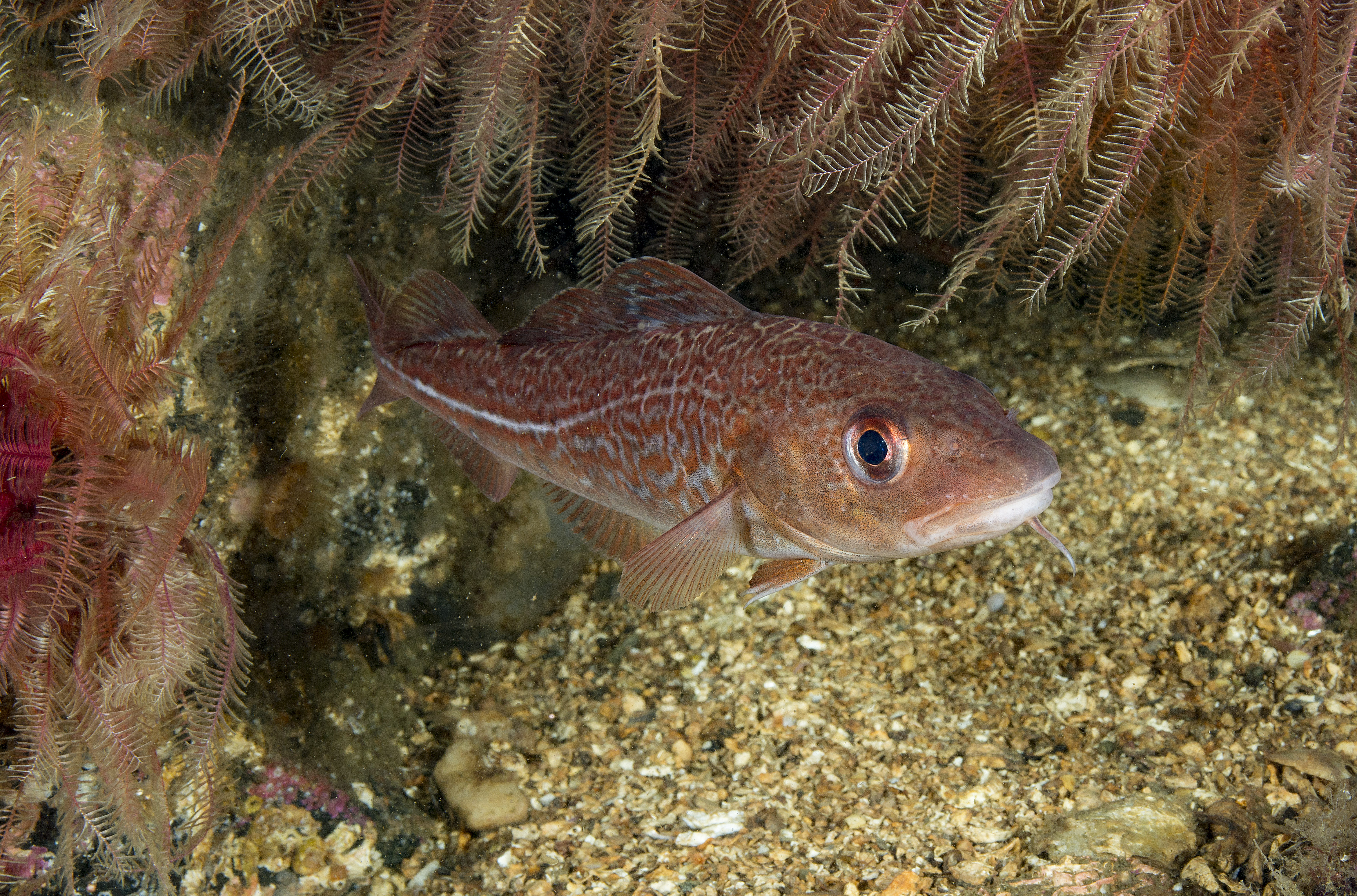
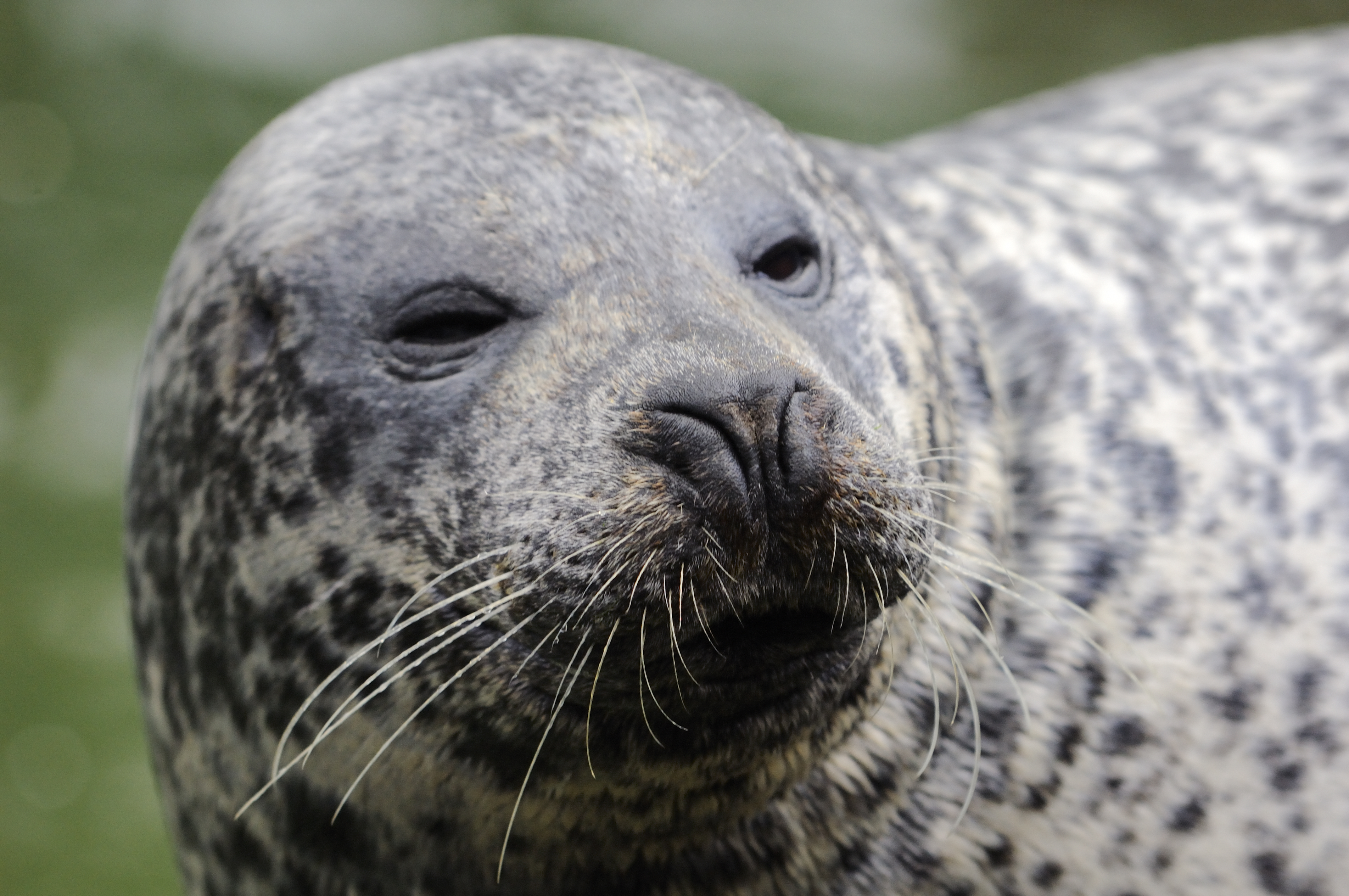
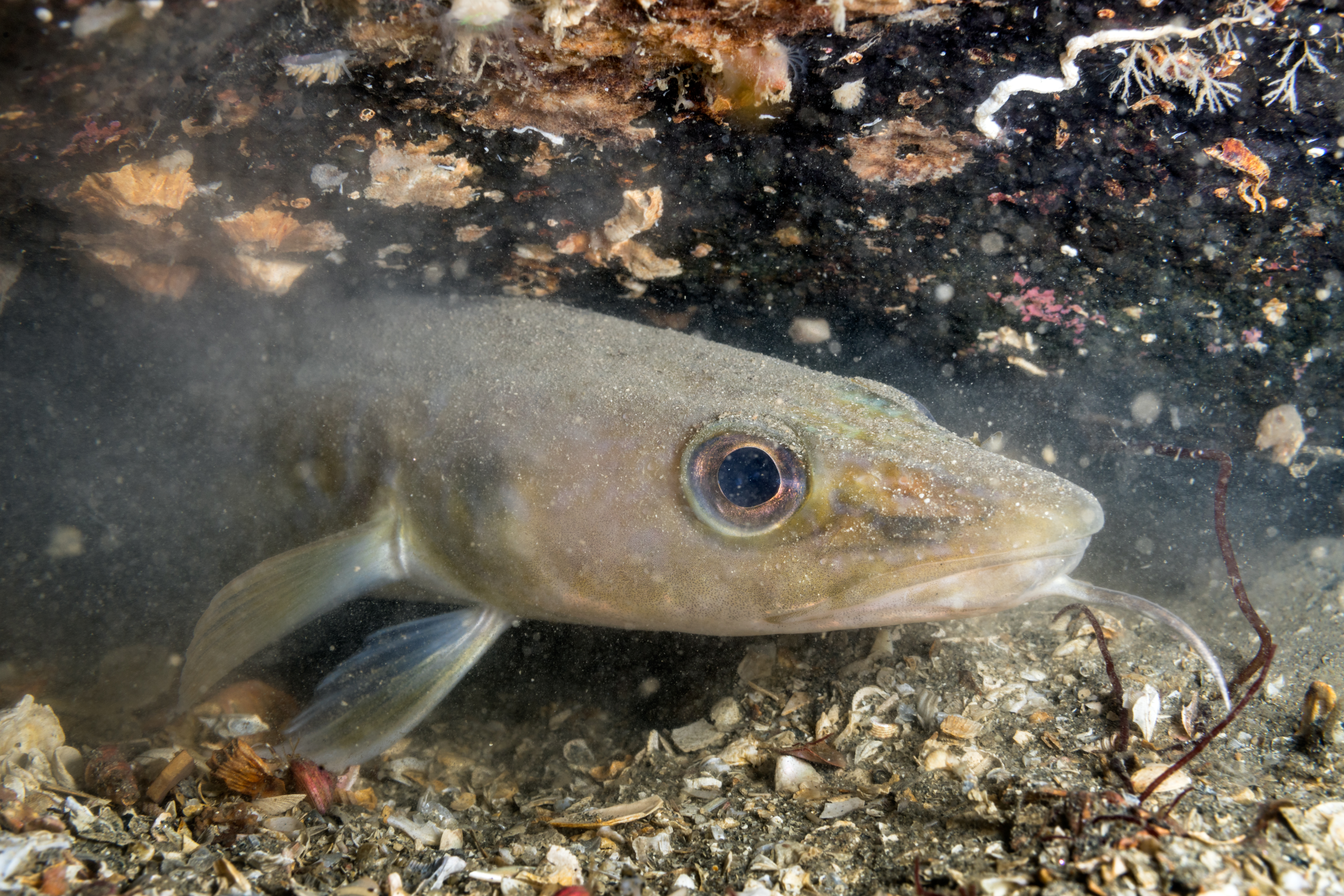
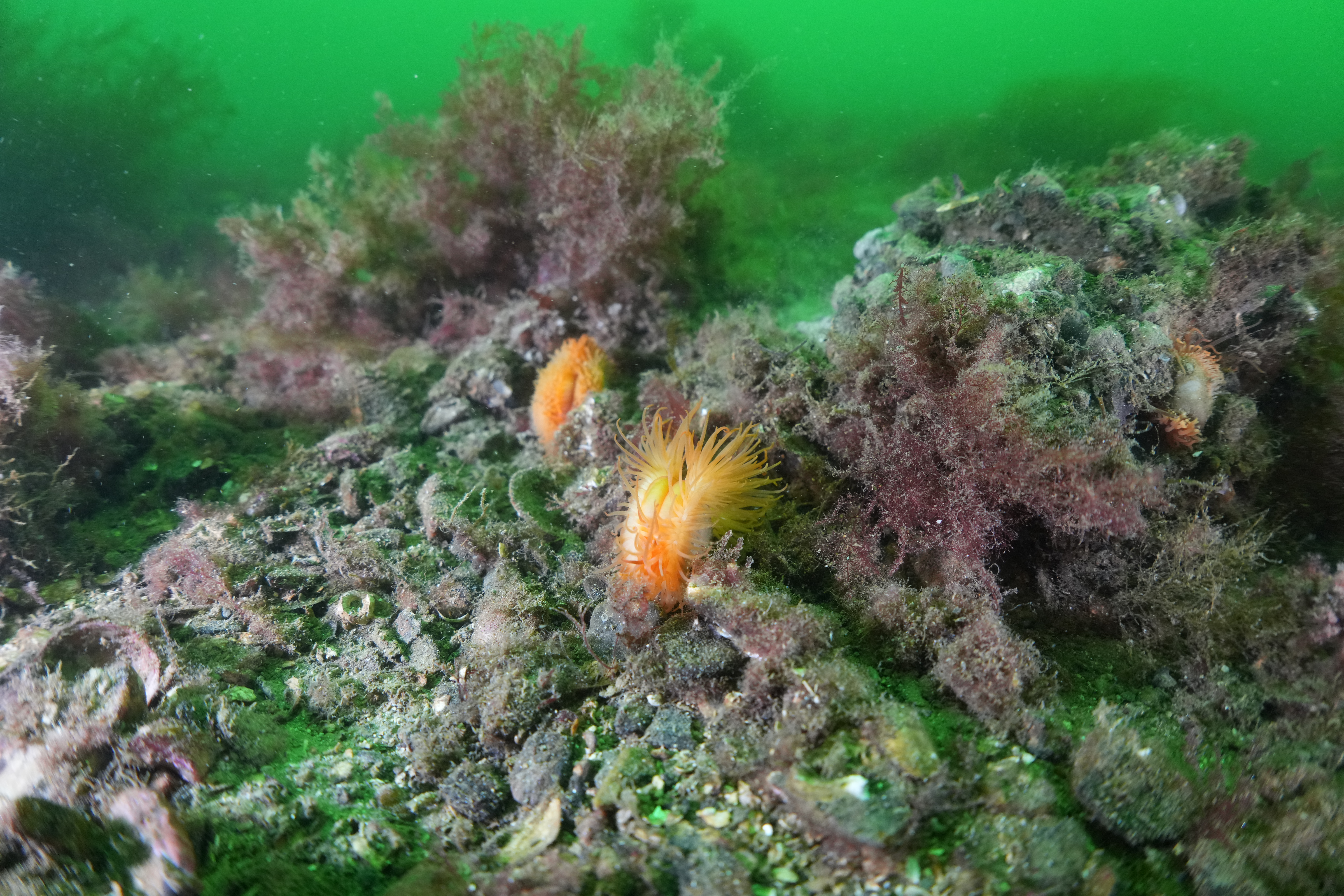
How is the list used?
The list is used to help:
- focus future conservation action and decision making in marine planning
- direct research and education
- promote a consistent approach to marine nature conservation advice
PMF Development Management Guidance
- Priority Marine Features Guidance to support NatureScot staff handling development proposals with potential to impact upon PMFs. Used alongside our other Development Management Guidance.
PMF Descriptions
- Descriptions of Scottish PMFs - A catalogue document (published 2016) summarising: feature descriptions (including all component parts), photos, distribution map, feature characteristics.
Other protection
PMFs may also be protected under legislation or by other designations. View a table summarising other designations and listings for each Priority Marine Feature.
PMF management measures for fishing activity - public consultation
The Scottish Government has announced that it will be seeking your views on proposals to manage certain types of fishing activity at important locations (that are not MPAs) for 11 PMFs most sensitive to bottom-contacting fishing gear.
Spatial information
FeAST (Feature Activity Sensitivity Tool)
- FeAST provides information on the sensitivity of marine features in Scotland.
An octopus sheltering in a Scottish kelp forest - a Priority Marine Feature habitat in Scotland.
Duration
00:34
How was the list developed?
NatureScot and the Joint Nature Conservation Committee worked with Marine Directorate to develop the list, alongside targeted external peer review (2010) and public consultation (2013).
To produce the list, we assessed species and habitats on existing conservation schedules against criteria that considered:
- whether the species/habitat occurs in significant numbers in Scotland’s seas
- whether the species/habitat is under threat or in decline
- the functional role that the species/habitat plays
Find out more about the process in:
- Identification of Priority Marine Features in Scottish territorial waters: NatureScot Commissioned Report No. 388
- Identification of Priority Marine Features in Scottish offshore waters: JNCC Report 462
- Priority Marine Features in Scottish territorial waters: External peer review feedback
Last updated: