Menu
NatureScot Logo NatureScot Logo
Close navigation
  • Home
  • About NatureScot
  • Climate change
  • Enjoying the outdoors
  • Funding and Projects
  • Gaelic
  • Information hub
  • Landforms and geology
  • Landscapes and habitats
  • Plants, animals and fungi
  • Professional advice
  • Scotland's Biodiversity

Rum NNR - visiting the reserve leaflet

https://www.nature.scot/visit-rum-nnr-tadhail-rum-tearmann-nadair-naiseanta
Breadcrumb navigation
  • Information hub Information hub
    • About NatureScot
    • Climate change
    • Enjoying the outdoors
    • Funding and Projects
    • Gaelic
    • Landforms and geology
    • Landscapes and habitats
    • Plants, animals and fungi
    • Professional advice
    • Scotland's Biodiversity
  • Publications and documents Publications and documents
    • News
    • Podcasts
    • Blogs
    • Webinars
    • Seminars
    • Research
    • NatureScot data services
    • Trends, Indicators and Official Statistics
    • Newsletters
    • Archived Publications

Welcome to Rum National Nature Reserve

Jewel of the Hebrides

Diamond-shaped Rum is the largest of the Small Isles. From bogs peppered with lochans to cliffs, noisy with seabird colonies, Rum’s contrasting landscapes give the island its special character as one of Britain’s top National Nature Reserves.

A wilderness playground

A day trip to Rum takes in the holiday home of an Edwardian millionaire, a guided wildlife walk, a ramble on a nature trail and otter and seal spotting from the shores of Loch Scresort. A longer stay means exploring Rum’s wild places on pony paths along Loch Scresort, to the deserted village of Kilmory and into the heart of an extinct volcano. Experienced climbers head for the Cuillin peaks, one of Scotland’s finest mountain ridge walks.
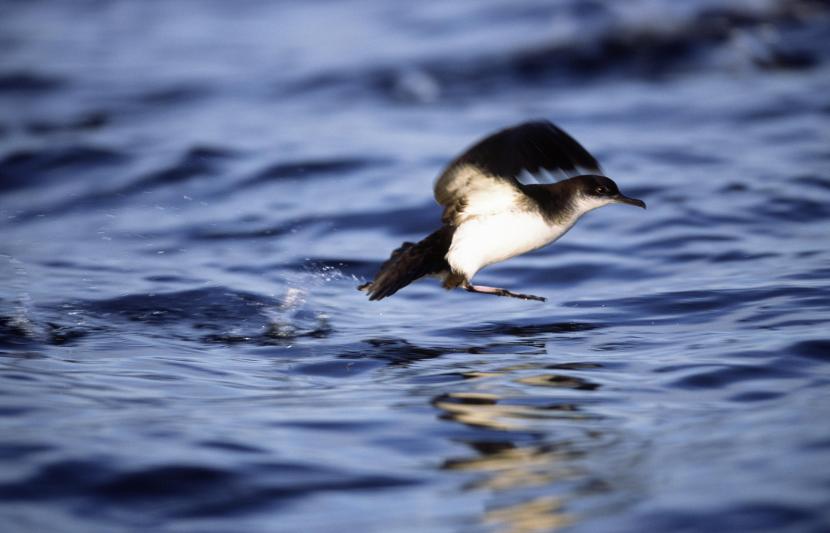
Manx Shearwater

A Rum first

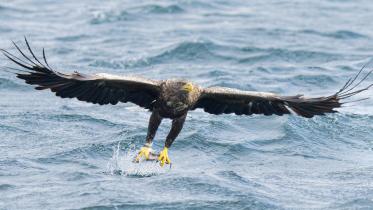
White-tailed sea eagles share Rum’s air space with golden eagles. Britain’s largest bird of prey was reintroduced here in 1975. At least two of the 40 pairs of sea eagles on Scotland’s west coast regularly breed on Rum.

‘Wild’ goats and Rum ponies

Feral goats roam Rum’s cliff tops. They are probably the descendents of domestic goats left behind when the crofters emigrated. Today twenty, unique, Rum Highland ponies bring culled deer off the hills while Highland cattle help to maintain flower-rich grassland.
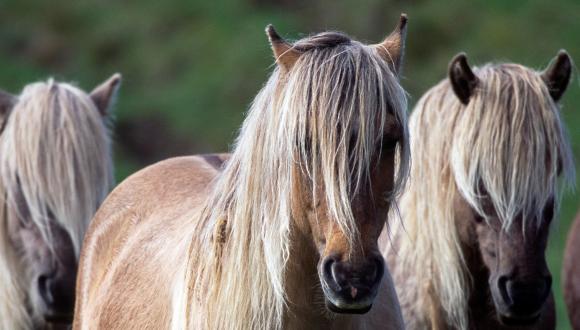
Rum Ponies, Harris , Isle of Rum NNR

Monarchs under the microscope

Herds of red deer graze the mountain slopes. Rum’s population of around 1000 red deer has been investigated for over half a century in one of the world’s longest-running studies of a large mammal. Internationally recognised for its wildlife, geology and landscapes, Rum is an outdoor laboratory for enthusiasts and professionals alike.

Rum on the rocks

Rum is a history of our planet over three billion years. At the north end time and climate have exposed some of the world’s oldest rocks under layers of sandstone laid down when Scotland was a desert south of the Equator. The Cuillins are the shattered remains of a massive volcano which erupted 65 million years ago. Ice and water then removed about a kilometre of rock to expose the volcano’s core. Ice Age glaciers scooped out the island’s glens.
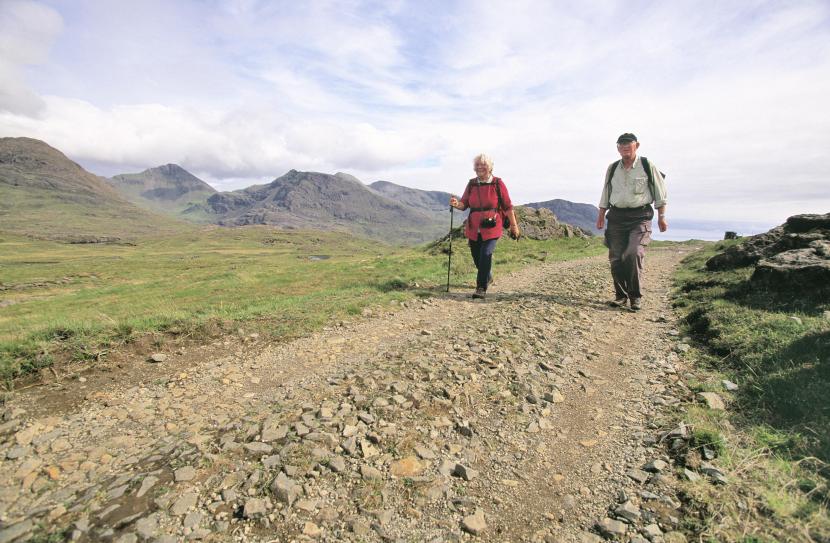
Walking from Harris to Kinloch

Commuters

Banking and shearing over the sea like tiny aircraft, over 70,000 pairs of Manx shearwater fly in at nightfall to nest in burrows on the high slopes. Although rarely seen, the Manx shearwater is Rum’s commonest bird, making up one of the world’s largest breeding colonies.

Playboy’s paradise

English millionaire George Bullough built Kinloch Castle as a sporting holiday home. Everything from the castle’s vivid red sandstone to an organ and gifts from the Emperor of Japan had to be brought in by sea. 

Time for Rum

Past generations left their mark on Rum.

  • 9000 - years ago the first settlers collect bloodstone for arrowheads.
  • 4500 - years ago farmers make one of Northern Europe’s earliest brews.
  • 800 - Christians bury their dead under Celtic crosses.
  • 1000 - Viking sailors name Rum’s peaks as landmarks.
  • 1500 - Gaelic speaking people work the pockets of fertile land.
  • 1826 - Around 350 crofters are forced to emigrate to Nova Scotia.
  • 1845 - The 2nd Marquis of Salisbury stocks his sporting estate with red deer.
  • 1901 - Millionaire George Bullough builds Kinloch Castle as a holiday home.
  • 1957 - Rum is declared Scotland’s second National Nature Reserve.
The community of around 30 residents owns the village of Kinloch while NatureScot manages the rest of the island.

Planning your visit

  • Caledonian MacBrayne runs a year-round ferry from Mallaig (Tel: 01687 462403)
  • Summer boat trips leave from Arisaig (Tel: 01687 450224).
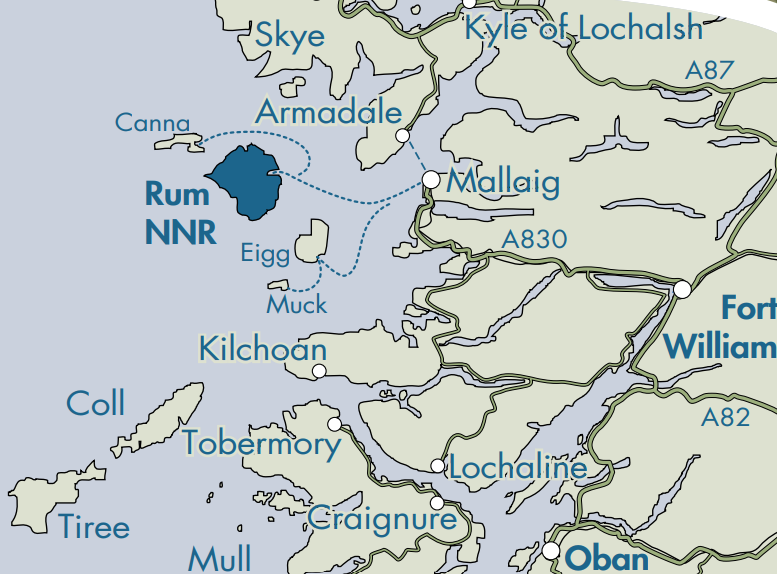
Rum National Nature Reserve map
  • Kinloch Castle is now closed to the public and tours are no longer available.
  • Summer amenities include shops, a tearoom, a campsite, a visitor centre and ranger-led events.

NatureScot
Rum Reserve Office
Isle of Rum
Inverness-shire
PA43 4RR

  • Telephone: 0131 314 4181
  • Email: [email protected]
Scottish Outdoor Access Code Logo and text Enjoy Scotland's outdoors responsibly
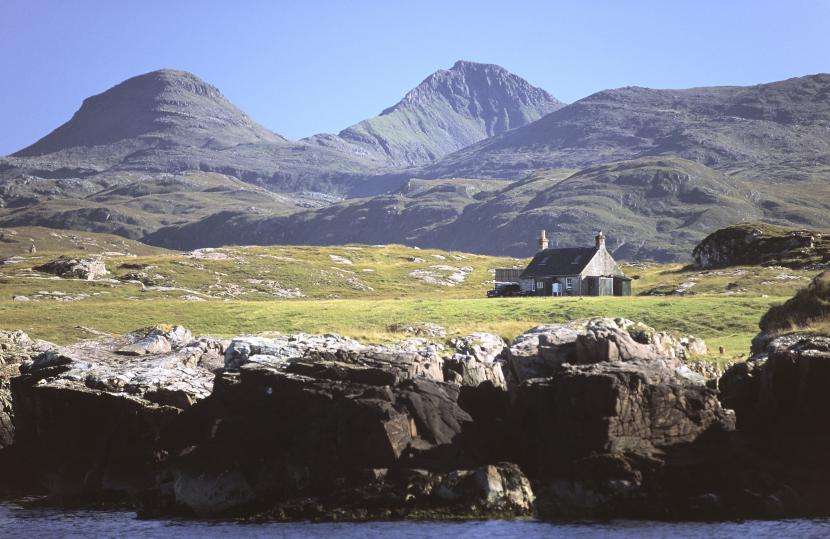
Kilmory bothy from the sea with Hallival and Askival in the Rum Cuillin beyond, Isle of rum NNR.
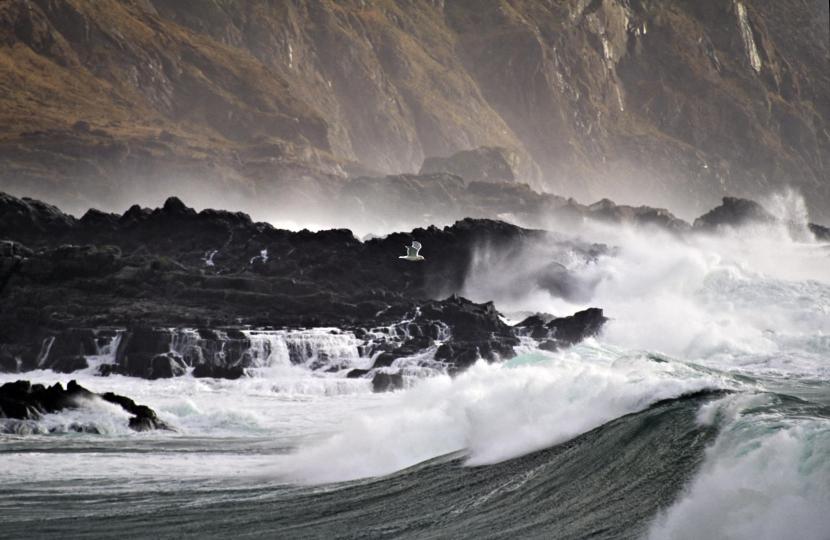
Winter storm and crashing waves, Harris Bay, Isle of Rum NNR.

Find out more on

  • Visiting the reserve
  • About the reserve
  • Getting involved
  • Visit more of our nature reserves
Feedback
  • Facebook
  • Whatsapp
  • Email

You may also be interested in

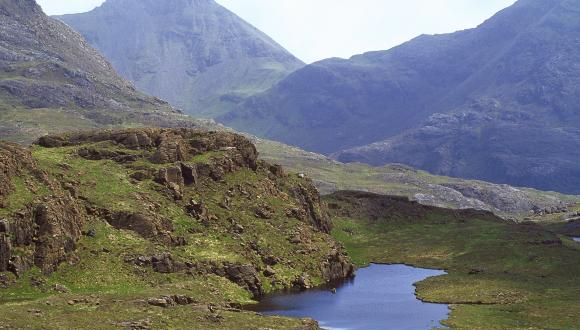
Askival and Trallival. Isle of Rum NNR. ©Lorne Gill/SNH. For information on reproduction rights contact the Scottish Natural Heritage Image Library on Tel. 01738 444177 or www.nature.scot

Rum NNR - About the reserve

Learn more about how we manage the reserve and its protected areas and as a place for people to explore and enjoy nature.

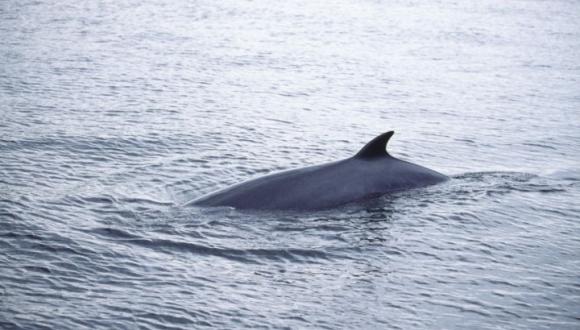
Minke Whale breaking the surface of the water. ©Laurie Campbell/SNH. For information on reproduction rights contact the Scottish Natural Heritage Image Library on Tel. 01738 444177 or www.nature.scot

Rum NNR - Visiting the reserve

Rum's dramatic scenery gives a real sense of wildness, with its high mountains, sweeping glens and rugged coast. Come and explore this spectacular landscape.

News and Blogs

A coastal landscape of the Isle of May captured from an elevated perspective looking down at the sea and cliffs. On the left dark-rugged  asalt rock columns and cliffs meet the deep blue ocean with white surf crashing against the base. A small pebble beach or rocky shoreline is visible near the cliffs, blending into green moss or algae. The top half of the cliff face is covered in a vibrant green grassy plateau that extends in the distance. In the far background, a faint structure resembling a lighthouse.

Jewel of the Forth celebrations

The Isle of May is celebrating a huge milestone this month, marking 70 years as a National Nature Reserve (NNR)

News - 30 June
Oysters being thrown into the water off a fishing boat by two volunteers

Successes of Restoration Forth

More than 60,000 oysters return to their natural home in the Firth of Forth.

Blog - 29 June
News release

Agreement for better nature and more secure food in Scotland

Strengthening the link between nature and sustainable farming in Scotland.

News - 19 June
Harris Isle of Rum National Nature Reserve.

Manxie & rhoddy conservation on Rum

Northern National Nature Reserve staff recently visited the island to perform essential conservation and wildlife protection work. 

Blog - 24 June
Roe deer (Capreolus capreolus)

New funds for venison supply chain

The third round of the Low Ground Venison Supply Chain Project was launched today (18 June) at the Royal Highland Show at Ingliston.

News - 18 June
People surveying a beach. A woman at the front holding a pen and clipboard with  multiple people standing behind investigating findings discovered on the beach. The background shows an expansive sandy beach.

With a Little Help From our Friends

An announcement that celebrates nature-based volunteering and citizen science

Blog - 6 June

View all news

View all blogs

Back to top Back to top

Quick Links

  • What we do
  • FAQs
  • Contact us
  • Our work
  • Licensing
  • Careers
  • Gaelic
  • Events
  • Sitemap
  • Publications & Documents
  • Board and Committees
  • NatureScot data services
  • Freedom of Information
  • LinkedIn
  • Facebook
  • Instagram
  • YouTube
  • Wordpress
  • Flickr


© NatureScot 2025

  • Privacy policy
  • Cookie policy
  • Accessibility
  • Copyright
  • Links policy
  • Feedback